
No products in the cart.
Shoe Cabinet Buying Guide: Size, Material and Layout
A shoe cabinet should fit your entryway, leave a clear walking path and hold the footwear your household uses regularly. Comparing its footprint, storage format and material before ordering helps you avoid a cabinet that crowds a condo hallway or leaves everyday pairs on the floor.
What size shoe cabinet fits your entryway?
Measure the space available first, including the room needed for doors to open and people to pass. The options below show how much floor area different cabinet shapes take up; the measurements are external, so check the product page and allow for your own clearance.
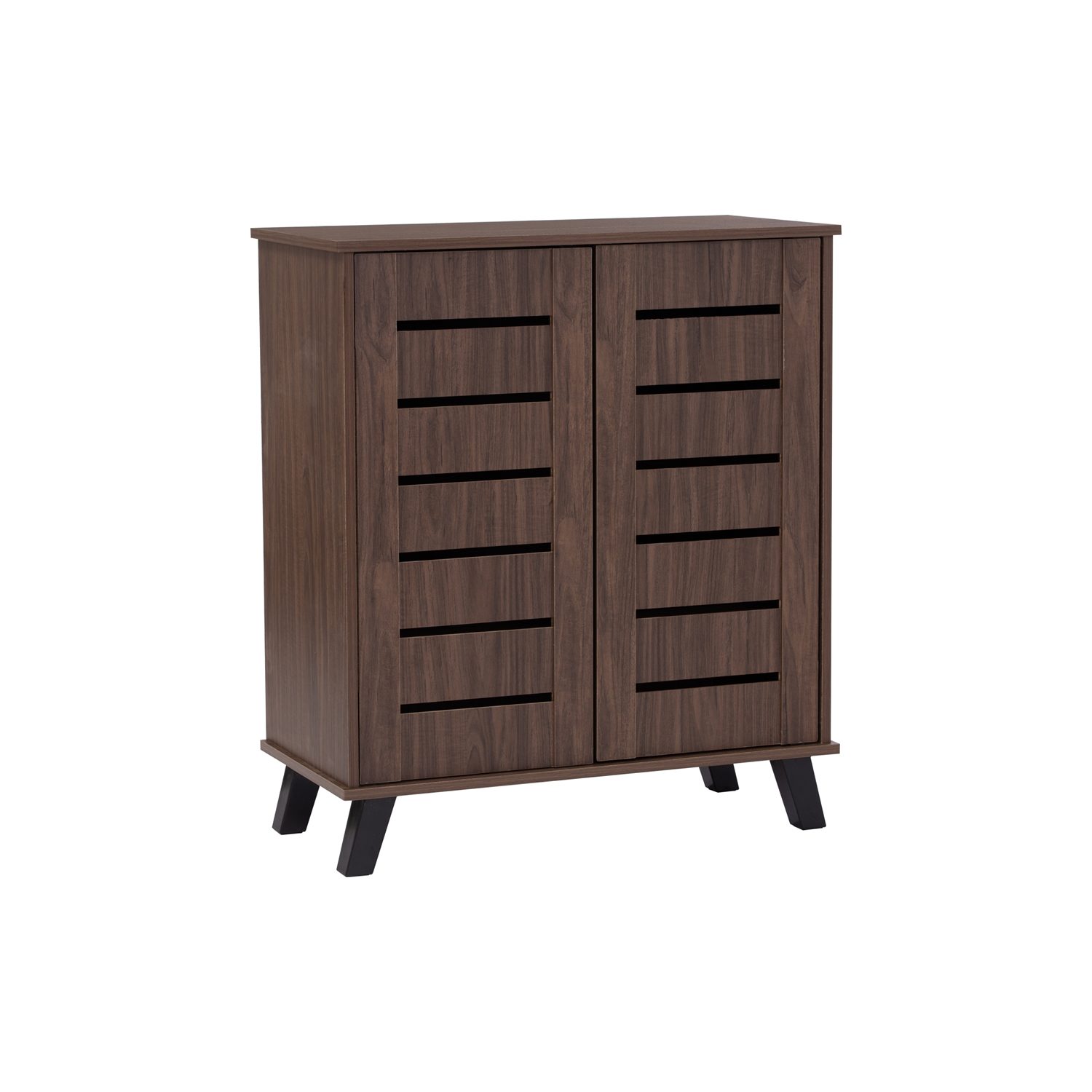
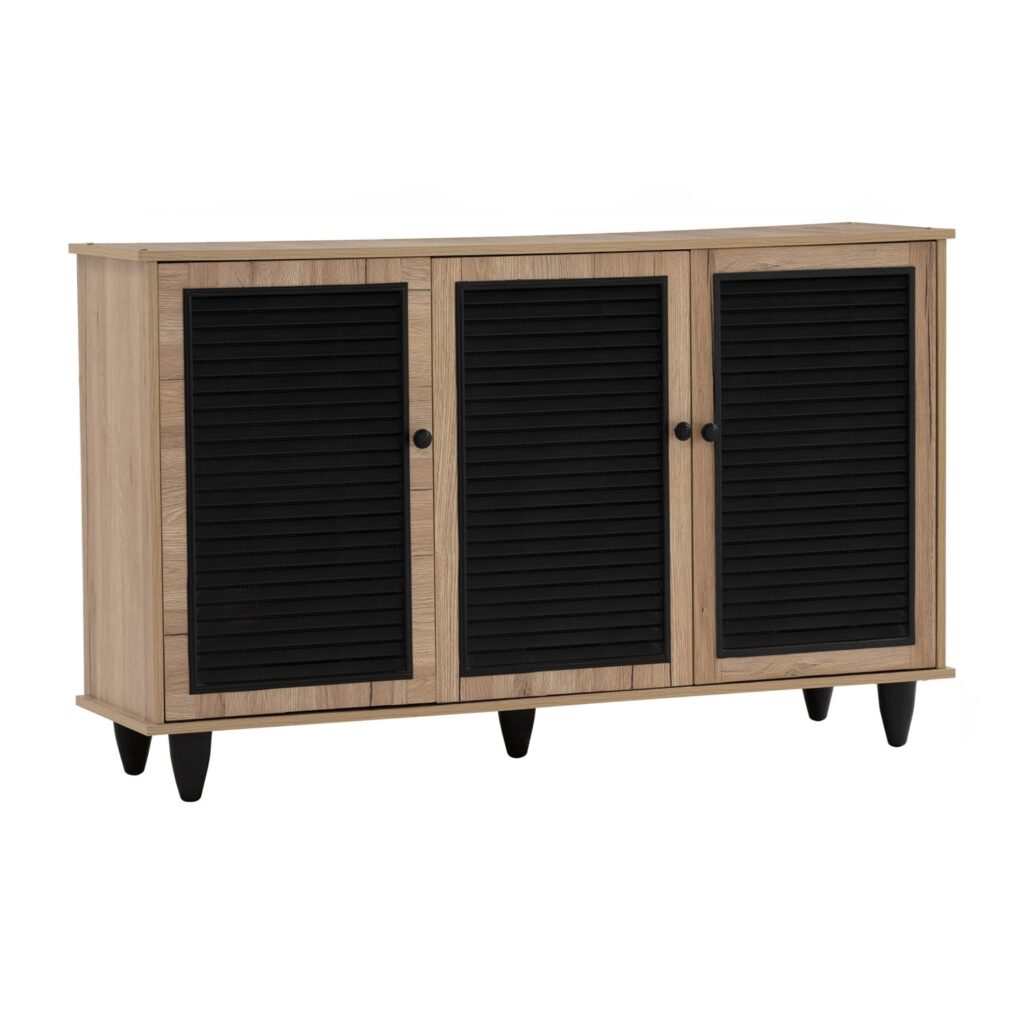
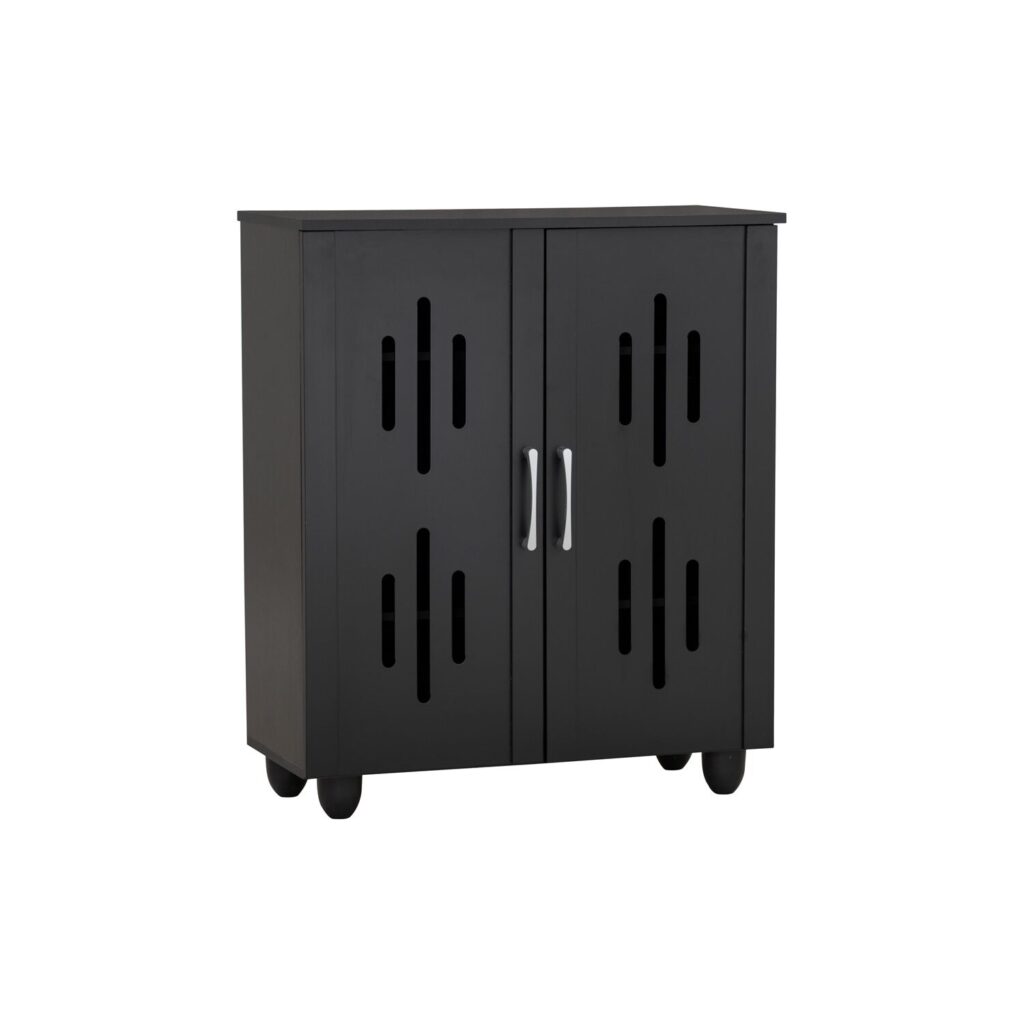
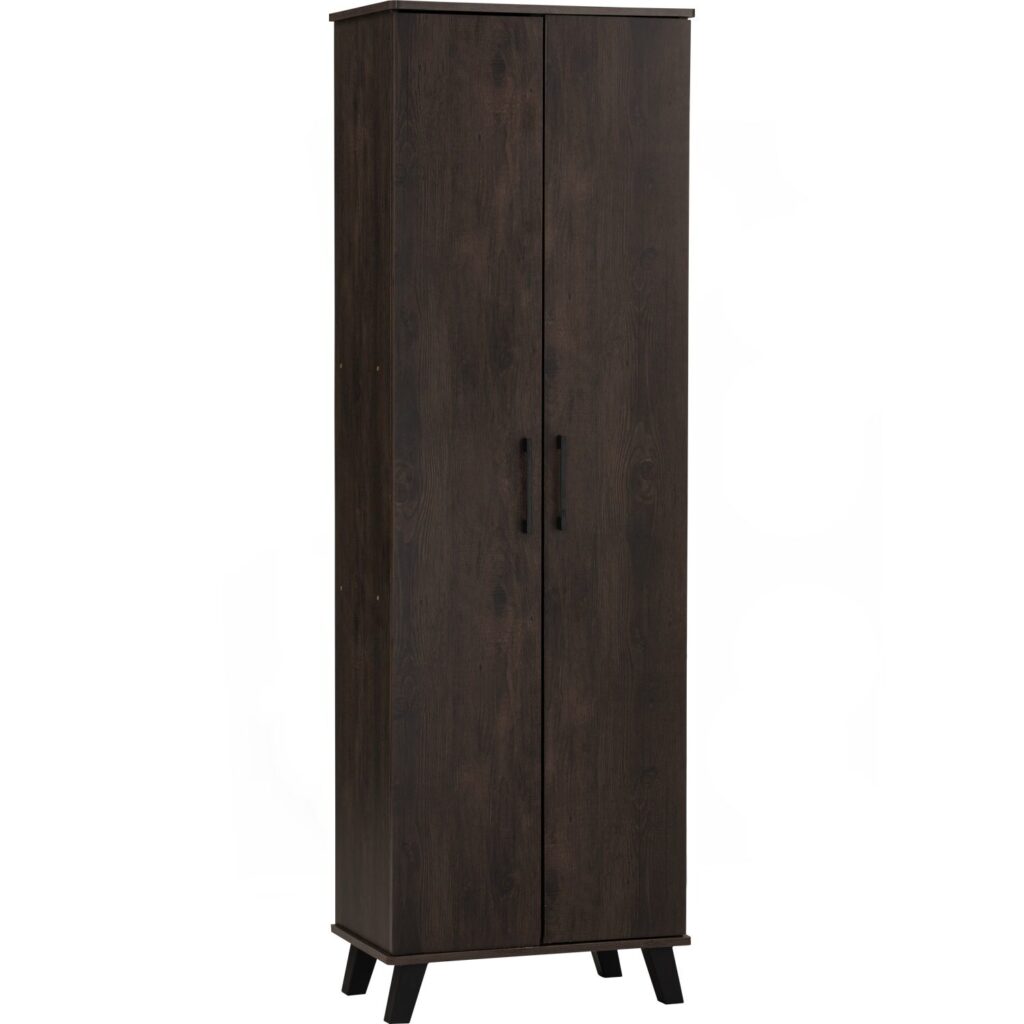
| Cabinet | Width | Depth | Height | Useful to know |
|---|---|---|---|---|
| Iran 2 Door Shoe Cabinet | 80 cm (31.5 in) | 39 cm (15.4 in) | 91 cm (35.8 in) | Two-door cabinet; laminated board |
| Almo 3 Door Shoe Cabinet | 112 cm (44.1 in) | 30 cm (11.8 in) | 67 cm (26.4 in) | Three doors; low profile |
| Hasting 2 Door Shoe Cabinet | 75 cm (29.5 in) | 33.2 cm (13.1 in) | 89 cm (35 in) | Two doors; laminated board and MDF |
| Everett 2 Door Shoe Cabinet | 60 cm (23.6 in) | 36.5 cm (14.4 in) | 186.5 cm (73.4 in) | Tall, narrow profile; PVC and laminated board |
Across the laminated-board shoe cabinets in our range, widths run from 60 to 112 cm and depths from 30 to 39 cm. A shallower cabinet can preserve passage space, while a tall design uses more vertical room; neither measurement alone tells you how many pairs will fit inside.
How much shoe storage do you need?
Choose storage around the pairs you actually want to put away, not just the number of doors. Count the everyday footwear for everyone in the household, then consider whether work shoes, slippers and occasional pairs will share the cabinet.
Look for the internal shelf arrangement and available clearance on the product page before deciding. External width and height do not reveal the usable space inside, and larger footwear can need more room than a slim everyday pair. If the page does not give the detail you need, ask us before ordering rather than relying on a guessed capacity.
A household with a small daily rotation may prefer a compact two-door cabinet. If you need to group more pairs behind separate fronts, a wider design with more doors can make it easier to organise them, provided the wall space is available.
Which material suits your home?
Choose a material based on the finish you want and how you use the entrance. The Optimus Shoe Cabinet is made from PVC and has a black body with beige doors, giving you an enclosed option with a different material from laminated-board designs.
Laminated board is another common choice in our shoe cabinet range, including the examples in the size table. The Columbus 2 Door Shoe Cabinet is a laminated-board unit in Grey Beechwood, while the Faro Shoe Cabinet has a cream body and oak-colour top and is also made from laminated board.
For either material, think about where the cabinet will sit and how much handling it will get. A busy entrance benefits from a surface you can wipe as part of your normal home routine; keep footwear dry before storing it to help keep the enclosed space fresher.
Is a shoe cabinet or an open shoe rack better?
A cabinet hides footwear behind doors, while an open rack makes pairs visible and easy to reach. Pick the format that matches how tidy you want the entrance to look and how quickly your household needs to grab shoes.
Enclosed storage suits homes where shoes left in view make a narrow hallway feel cluttered. An open rack keeps pairs accessible and can be more convenient when shoes are changed frequently, but the footwear remains on display.
If you want somewhere to sit while changing shoes, the Myka Shoe Rack With Bench Copper combines an open metal rack with a bench. It measures 72 × 32 × 46 cm, so check that its width and depth fit the area beside your door.
Where should you place a shoe cabinet?
Place it near the entrance you use most, but keep the route through the home clear. In a condo or apartment, measure the full width of the hallway and consider nearby doors, switches and other furniture before settling on a position.
Mark the cabinet’s width and depth on the floor with tape to picture its footprint. Then check the height against any shelf, window or wall feature above it, and make sure hinged doors will have room to open. These checks are especially useful when comparing a low, wide cabinet with a tall design.
Our product pages list real dimensions and materials, so compare the listed exterior measurements with your marked space before ordering. Several of the examples above arrive flat-packed with fittings and assembly instructions; check the relevant product page for the details of the model you are considering.
Our recommendation
- For a tight hallway, look for a narrower or shallower footprint and measure the passage before choosing.
- For a household with several daily pairs, compare the interior layout and clearance rather than judging capacity by the number of doors.
- For a cleaner-looking entrance, choose enclosed storage; for quick access or a place to sit, consider an open rack with a bench.
- For a finish that suits your home, compare the stated material and colour with nearby furniture.
Browse our shoe cabinets and racks to compare sizes and styles for your home.
Frequently Asked Questions
Should wet shoes go straight into a shoe cabinet?
No, let wet shoes dry before storing them. This helps prevent dampness and odour from building up in an enclosed space.
How should I clean a laminated-board shoe cabinet?
Use a soft, lightly damp cloth, then dry the surface. Avoid soaking the board or using abrasive cleaners that could mark the finish.
Will ankle boots fit inside a shoe cabinet?
It depends on the cabinet’s internal shelf clearance. Check the listed interior measurements if available, or measure your boots and ask us about the model before ordering.
Should a tall shoe cabinet be secured to the wall?
Yes, use a suitable anti-tip restraint for the cabinet and wall type, particularly in homes with children. Follow the cabinet maker’s fitting guidance.
More articles
 Buying guidesWorking Desk: How to Choose the Right Fit for Home
 Buying guidesDining Benches: How to Choose the Right Fit
 Buying guidesTableware Set: How to Build a Useful Set for Your Home
 Buying guidesSettee Sofa: How to Choose the Right Fit for Your Home
 Buying guidesWood Dining Table: How to Choose the Right One
 Buying guidesArea Rugs: How to Choose the Right Size and Material
Related posts
A working desk for most home offices is around 120–150 cm wide, 50–80 cm deep and 75–76 cm high. Match its footprint to your room... Continue reading
Dining benches in our range span 90 to 161.3 cm long, so compare the length, depth and material with your table and room. Continue reading

A useful tableware set covers the meals you serve most, with plate sizes and pieces that suit your diners, storage and table. Continue reading
A settee sofa is generally another name for a sofa; compare room fit, seating style and materials before choosing one for your home. Continue reading
A wood dining table may be solid timber or a veneer-and-board combination; compare construction, size and room clearance before choosing. Continue reading