
No products in the cart.
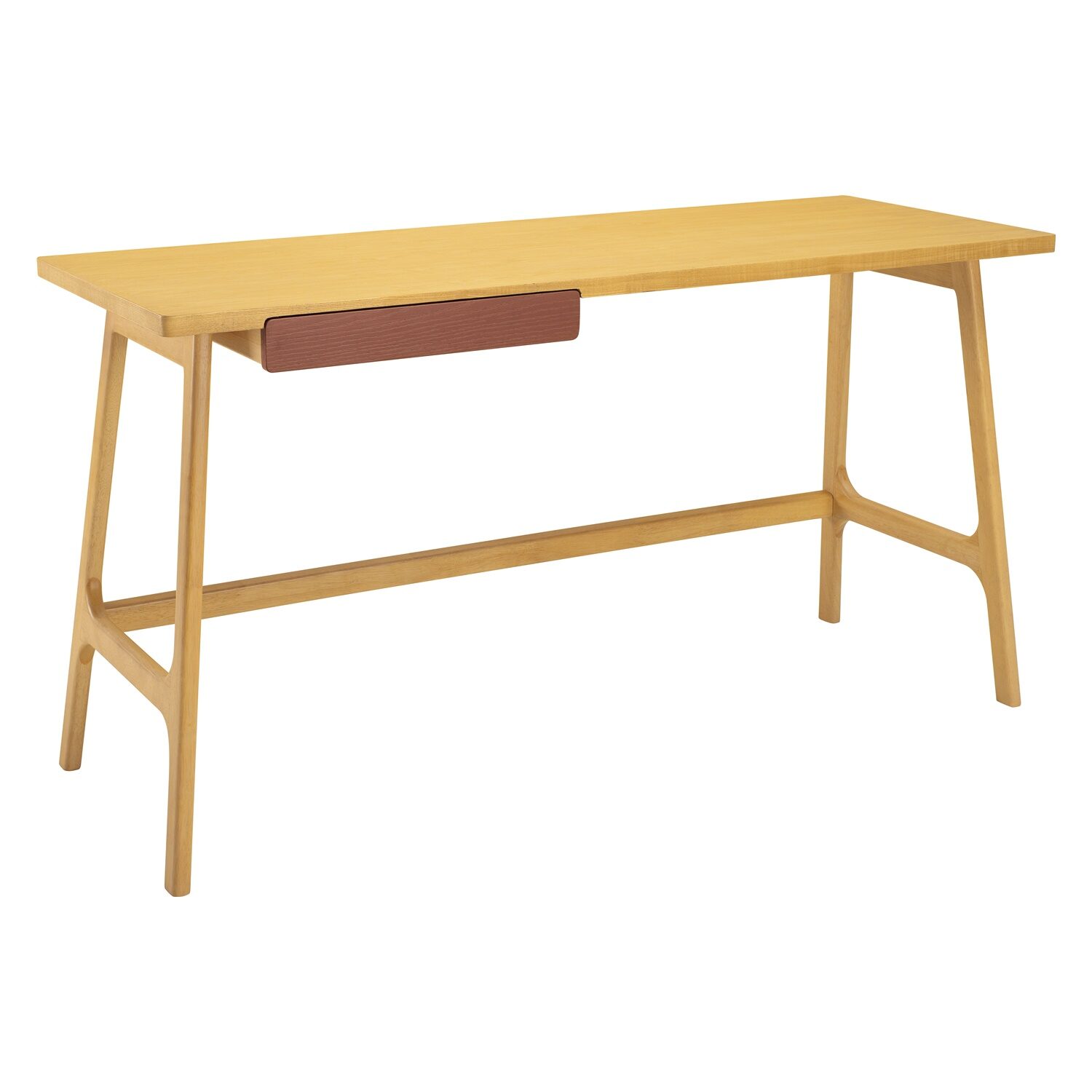
Working Desk: How to Choose the Right Fit for Home
A working desk for most home offices is around 120–150 cm wide (about 4–5 ft), 50–80 cm deep (about 20–31.5 in) and 75–76 cm high (about 29.5–30 in). Choosing the right footprint matters in a Malaysian home: it needs to fit the room while leaving enough space for your chair and the work you do.
Start by measuring the available floor area, then decide how much surface and storage your routine calls for. The examples below show how different desk sizes and layouts suit different homes.
What size working desk should you choose?
A 120 cm-wide desk is a useful starting point for laptop work, while a wider surface gives you more room for a monitor, paperwork or study materials. Depth matters too: a shallow desk takes up less floor space, but a deeper top gives more room to position equipment and write comfortably.
These dimensions are product examples rather than fixed size categories. Measure the desk area and allow space to pull out your chair before deciding.
| Desk | Dimensions (W × D × H) | What the size suggests |
|---|---|---|
| Breda Working Desk | 110 × 50 × 78.5 cm (43.3 × 19.7 × 30.9 in) | Compact surface for a laptop and paperwork |
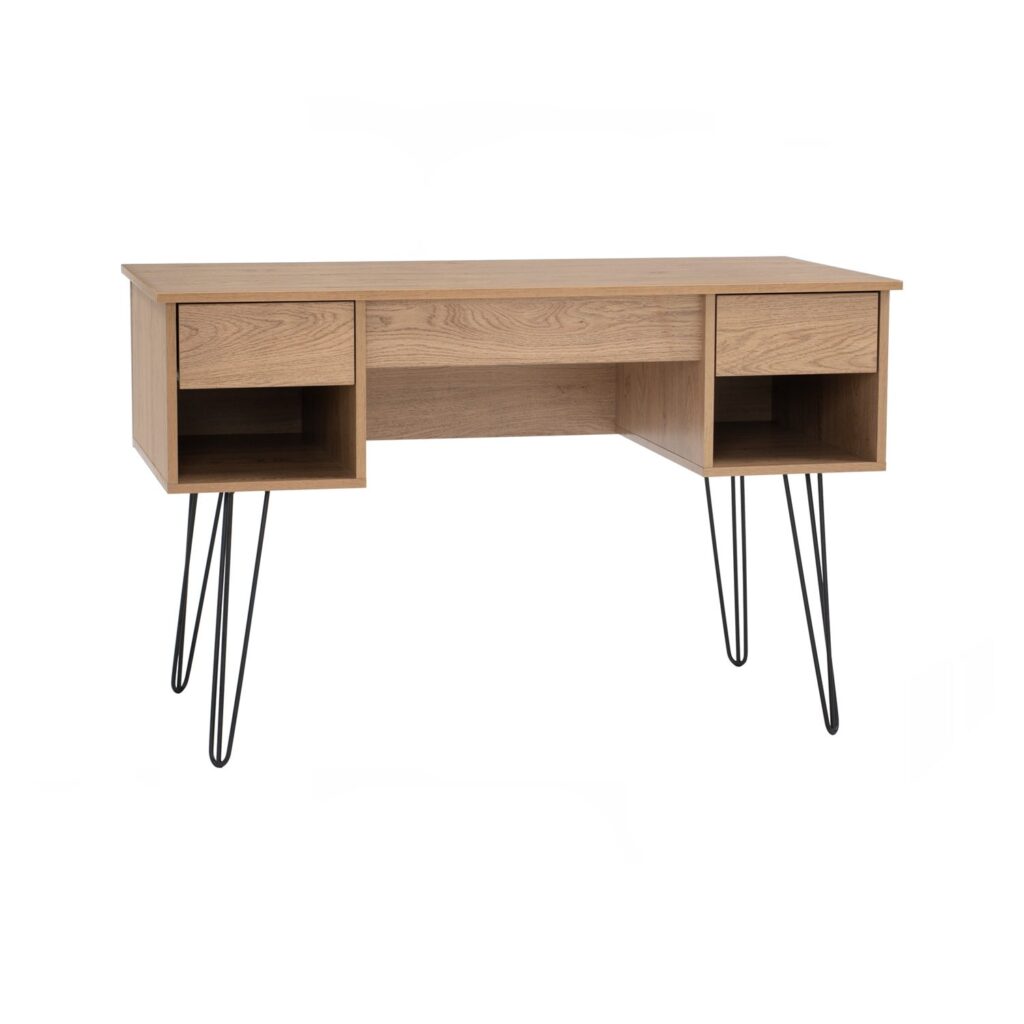
| Samos Working Desk | 120 × 60 × 75 cm (47.2 × 23.6 × 29.5 in) | Balanced footprint for everyday home-office tasks |
| Morey Working Desk | 140 × 50 × 75 cm (55.1 × 19.7 × 29.5 in) | More width without a deep footprint |
| Hirado Working Desk | 145 × 81 × 75.8 cm (57.1 × 31.9 × 29.8 in) | Generous depth for a broader working setup |
| Kalmar Working Desk | 150 × 58 × 76 cm (59.1 × 22.8 × 29.9 in) | Long surface with a moderate depth |
These examples span 110–150 cm in width and 50–81 cm in depth. Your room layout can make the difference between those options: measure from the wall to the nearest obstruction, and account for drawers or doors that need to open.


How much desk space do you need for your work?
Match the top to what stays on it during a normal work session. A laptop and notebook need less room than a monitor, keyboard, documents and stationery all used together.
For a laptop and occasional paperwork, a compact 110–120 cm-wide top can keep a smaller room usable. If you work with a monitor and papers side by side, look at a wider desk; if your setup needs a monitor stand or you like keeping notes in front of you, extra depth can be more useful than extra width. The Hirado’s 81 cm depth, for example, takes up more floor area than the 50 cm-deep Morey, so check the room before choosing the broader surface.
Also consider whether equipment will remain on the desk after work. If you need to clear the surface each evening, a smaller top may suit your routine better than one that fills the room. Make a quick list of what you use every day, then picture those items on the desk before settling on a size.
Should you choose a desk with drawers or a simple top?
Drawers suit work items you want close at hand but out of sight; open cubbies keep frequently used items visible and easy to reach. Choose storage based on what you actually use, rather than adding drawers that take up space beneath the desk.
The Samos combines two side drawers with open cubby compartments for a mix of concealed and accessible storage. For a more contained look, Morey has integrated drawers, while Kalmar has two drawers with fluted fronts. Breda has three integrated drawers, offering another option for keeping office essentials together. If you prefer a clearer work surface, decide which items genuinely need to be stored at the desk and keep the rest elsewhere.
Check that the storage arrangement works with your chair and legroom. Drawers are useful only if they can open without hitting a wall, chair or nearby furniture, so consider the full desk layout rather than the tabletop alone.
Which desk materials work for your home?
Choose materials with both daily use and appearance in mind. Laminated board gives you a finished work surface; wood and veneer add visible grain, while metal can make a desk frame look lighter.
For a straightforward surface, Samos has a laminated board top and black metal hairpin legs. Morey pairs an Ash Veneer top with a Malaysian Oak frame, while Hirado combines Malaysian oak with laminated board. Check the specific product details for the materials used on each desk, especially if you want the top and frame to have a particular finish.
Think about how you use the surface as well. A desk used for writing, a laptop and paperwork has different demands from one where you regularly place hot drinks or craft materials. Use suitable mats or desk accessories to help protect the worktop, and follow any care guidance on the product page.
How do you place a working desk in a small room?
Position the desk where you can sit comfortably and pull your chair back without blocking a doorway, wardrobe or walkway. In a condo or bedroom, compare the desk’s full depth with the clearance available behind the chair, not just the wall space it occupies.
Keep power access in mind if you use a laptop, monitor or lamp, so cables do not need to cross a walking route. Cable clips or ties can help keep leads tidy along a desk edge. If the desk will sit beside a window, try positioning it so daylight comes from the side rather than directly behind the screen.
In a shared room, consider how the desk looks when it is not in use and whether the surface can be cleared easily. A compact footprint may be more practical than extra worktop space if it leaves the main walkway open.
Our recommendation
- For a compact laptop station, compare 110–120 cm-wide desks and prioritise chair clearance.
- For a monitor plus paperwork, consider a longer top or the extra depth of a desk such as Hirado.
- For a surface that stays visually clear, look for integrated drawers and choose storage that suits your routine.
- For mixed materials and visible wood grain, compare the construction details on each product page.
Browse our range of working desks to compare dimensions, materials and storage layouts, or enquire about the options that suit your space.
Frequently Asked Questions
Can I place a working desk facing a window?
Yes, but placing the desk at an angle or with the window to the side can help reduce screen glare. The best position depends on the direction and strength of the daylight.
How do I check whether a desk will fit through my doorway?
Measure the narrowest doorway opening and compare it with the desk’s largest dimension. Also check whether there is room to turn the desk through the hallway or entrance.
Is a working desk suitable for sewing or crafts?
Yes, if its surface is large enough for your materials and tools. Check the desk dimensions and protect the top from marks, spills or heat as appropriate for your activity.
Should I keep my desk near a power socket?
Yes, placing it within reach of a socket can reduce the need for long cables across the room. Plan the position around both power access and clear walkways.
More articles
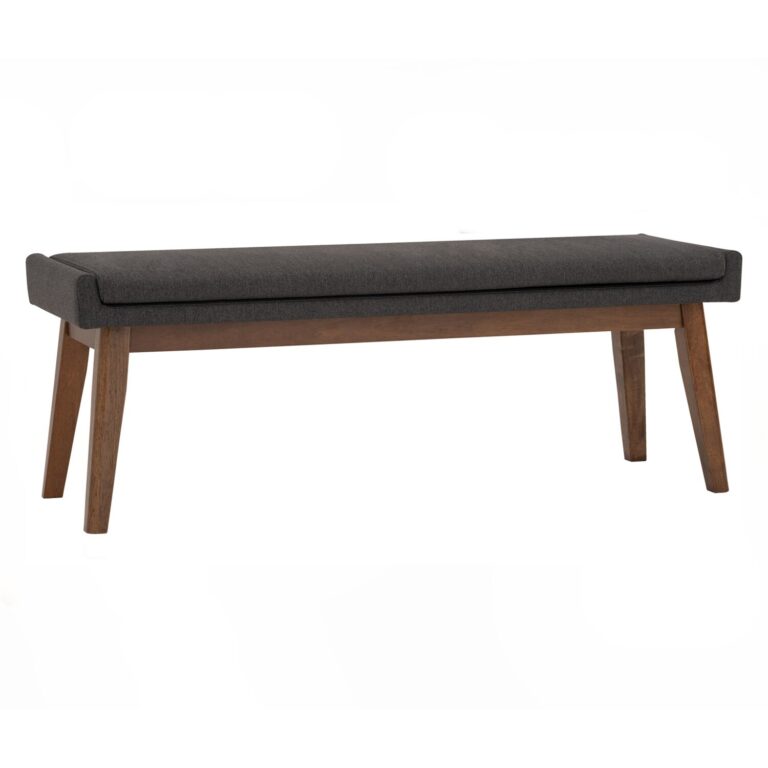 Buying guidesDining Benches: How to Choose the Right Fit
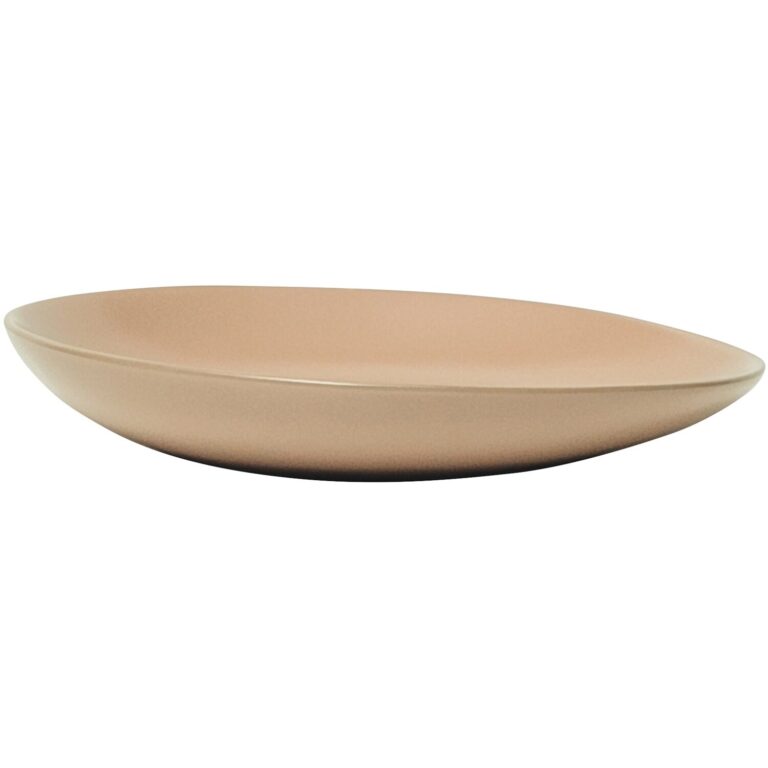 Buying guidesTableware Set: How to Build a Useful Set for Your Home
 Buying guidesSettee Sofa: How to Choose the Right Fit for Your Home
 Buying guidesWood Dining Table: How to Choose the Right One
 Buying guidesArea Rugs: How to Choose the Right Size and Material
 Buying guides2 Door Wardrobe: How to Choose the Right Fit
Related posts
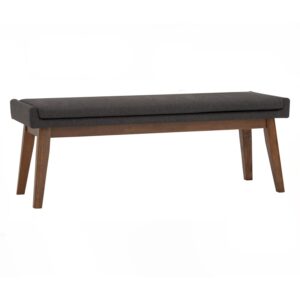
Dining benches in our range span 90 to 161.3 cm long, so compare the length, depth and material with your table and room. Continue reading

A useful tableware set covers the meals you serve most, with plate sizes and pieces that suit your diners, storage and table. Continue reading
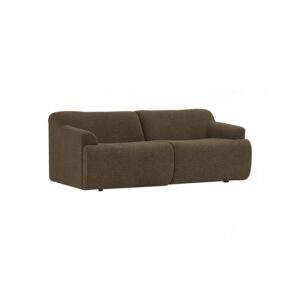
A settee sofa is generally another name for a sofa; compare room fit, seating style and materials before choosing one for your home. Continue reading
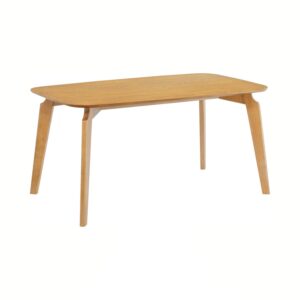
A wood dining table may be solid timber or a veneer-and-board combination; compare construction, size and room clearance before choosing. Continue reading

Area rugs range from compact 60 × 120 cm mats to broad 200 × 300 cm floor coverings; size yours around the furniture zone. Continue reading