
No products in the cart.
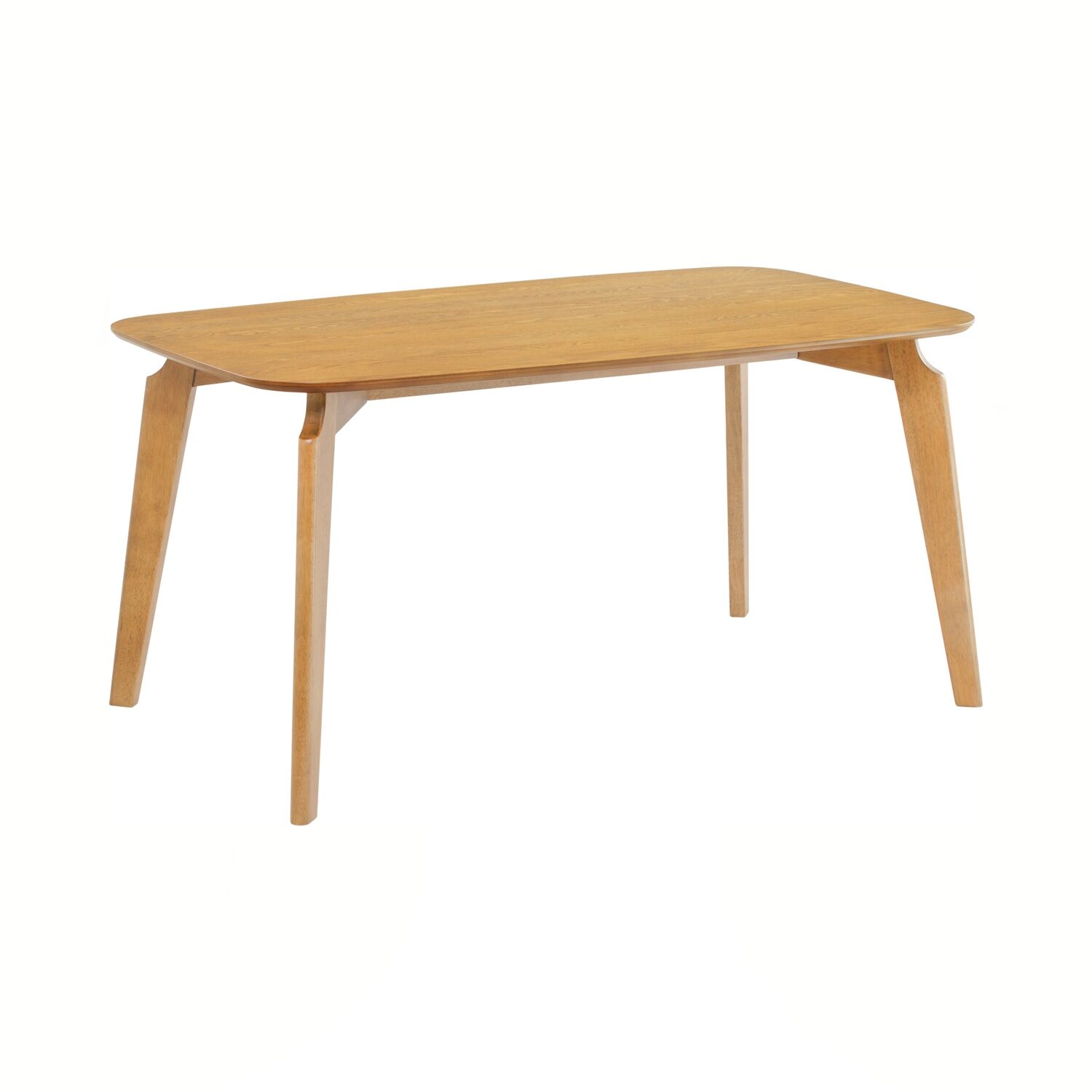
Wood Dining Table: How to Choose the Right One
A wood dining table can be made from solid timber or from a combination of veneer, board and solid-wood legs. Knowing which construction and size suit your home helps you spend on the qualities you value and avoid a table that crowds the dining area.
1. Choose the wood construction
Start by checking what the top and the legs are made from, rather than relying on a wood-look finish or the word “wood” alone. Solid timber shows the grain and natural variation of the material across the table; veneer is a thin layer of wood over a supporting board, so the visible wood and the core are different parts.
Solid timber
A solid-wood top gives the table a consistent timber construction and a clear natural grain. It is a good choice if you want the tabletop itself to be solid wood and prefer the character that comes with natural variation.
Veneer and board
A veneer table can still use solid wood for its legs or frame, while its top has a different construction. Check each part separately: the dining table range includes both solid Malaysian Oak tables and designs with veneer or MDF tops, so you can compare the materials rather than assuming all wood tables are built alike.
2. Match the table length to your household
For a smaller dining area, a 150 cm (about 5 ft) table is a useful starting point; moving up to 160, 180 or 200 cm gives more tabletop space but also takes more room. The examples below show sizes and construction from our range. Published seating is included where specified; it is not a warranty that every chair style will fit equally well.
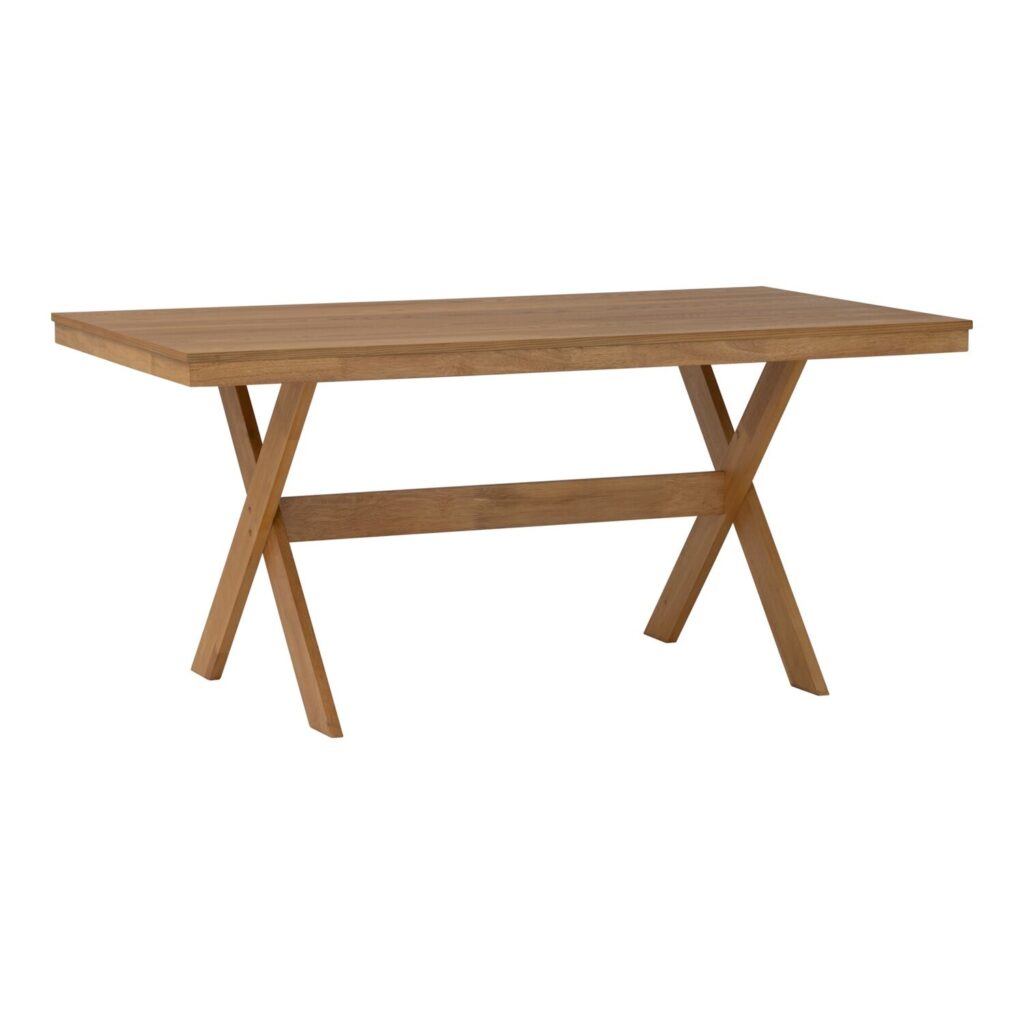
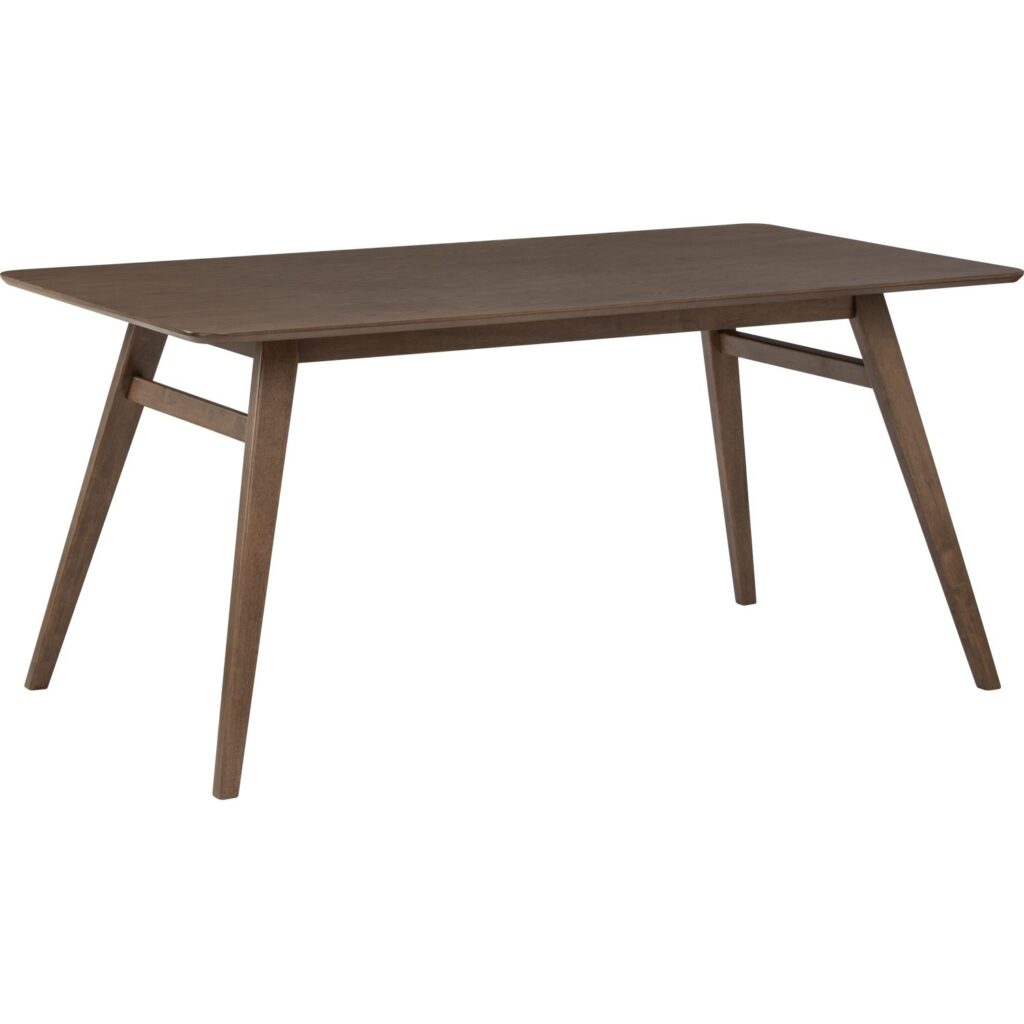
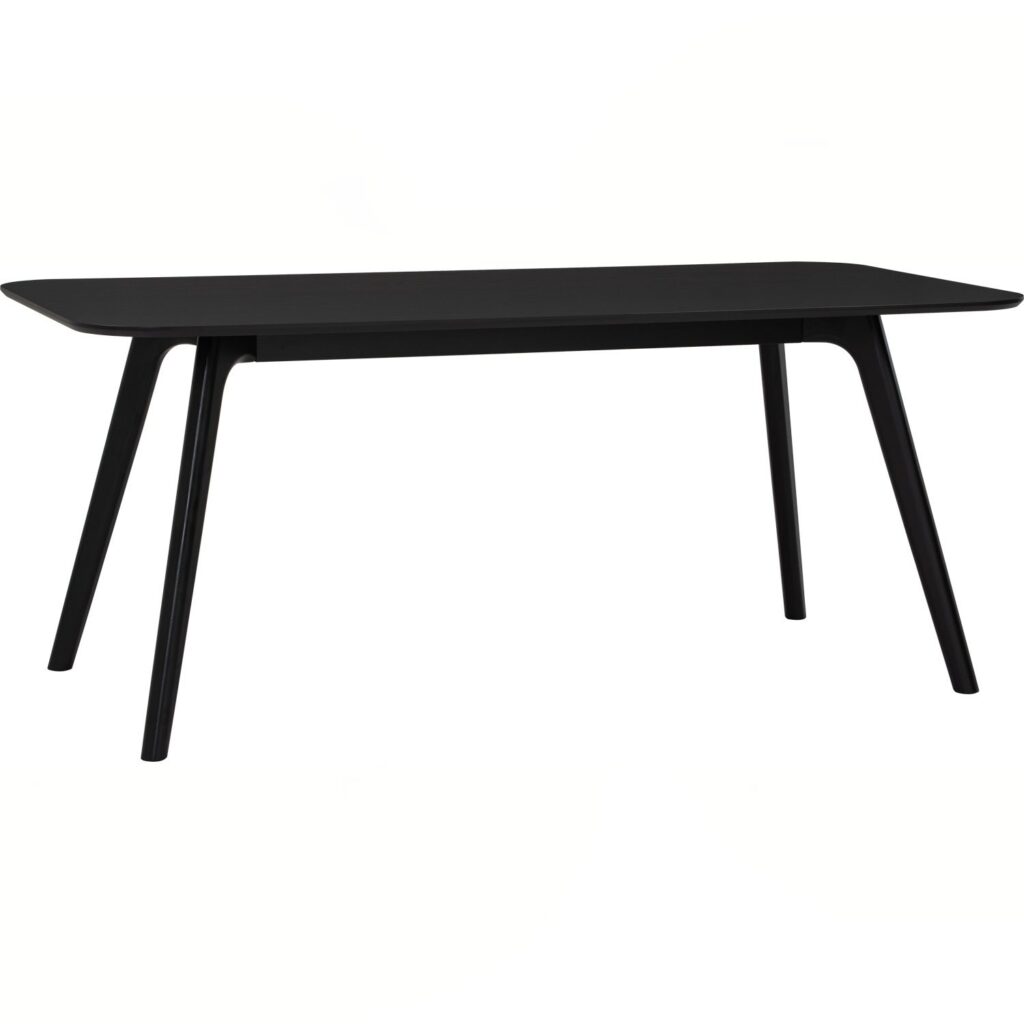
| Example | Size | Construction and seating |
|---|---|---|
| Acker 900X1500 Dining Table (Solid) | 150 × 90 × 75 cm (about 5 × 3 ft top; 2 ft 6 in high) | Solid Malaysian Oak; seats up to six |
| Barion 900X1600 Dining Table (Solid) | 160 × 90 × 73.8 cm (about 5 ft 3 in × 3 ft; 2 ft 5 in high) | Solid Malaysian Oak; seats up to six |
| Cadell 900X1600 Dining Table | 160 × 90 × 75 cm (about 5 ft 3 in × 3 ft; 2 ft 6 in high) | Ash veneer top and solid Malaysian Oak legs; seats up to six |
| Roden 900X1800 Dining Table – Black | 180 × 90 × 75 cm (about 6 × 3 ft; 2 ft 6 in high) | Malaysian Oak, MDF and Ash veneer |
Choose the shorter length when the dining area is compact or the table is mainly for daily meals. The 160 cm options give a little more length without increasing the 90 cm width, while 180 cm makes more sense when you regularly need extra surface for serving or shared activities.
3. Measure the room around the table
Measure the area where the table and chairs will sit, not just the tabletop footprint. As a general guide, leave around 75–90 cm between the table edge and a wall or other furniture so a chair can be pulled out; aim nearer 90 cm where people need to pass behind seated diners.
For example, a 150 × 90 cm table with 90 cm clearance on every side needs roughly 330 × 270 cm of clear floor area. Check door swings, kitchen walkways and nearby cabinets too. In an open-plan apartment, a smaller table that keeps the route through the room clear is often more comfortable than a longer one that uses every available centimetre.
4. Check chair fit and table height
Length determines how many chairs may fit along the sides, but chair width and leg placement affect the usable space. Before ordering, compare the chair dimensions with the table’s length and check whether the table legs leave room where you want to sit; a wide chair or a leg near the table end can change the fit.
Table heights in these examples range from 73.8 to 75 cm. Compare the table height with your dining chairs, especially if you already own them, and leave comfortable space between the seat and the underside of the top. Our guide to dining table height and chair fit explains what to check before you decide.
5. Choose a finish and plan for everyday use
Natural or lighter wood tones keep the timber grain prominent and can sit comfortably with varied dining chairs. Dark finishes make the table a stronger visual feature, while a lighter or white surface changes the look without making the legs and frame the same material as the top. Choose based on the other finishes in the room and how much contrast you want.
Think about daily use as well as appearance: a dining table may also hold homework, a laptop or serving dishes. If you are comparing materials beyond wood, our guide to choosing a sintered stone dining table outlines another tabletop option. For wood, use placemats or coasters and wipe spills promptly to help protect the surface.
6. Wood dining table choices in brief
- Choose a 150 cm table when your room is compact and you want a solid-wood table for everyday meals.
- Pick 160 cm if you want a little more tabletop length while keeping a 90 cm width.
- Consider a veneer-and-board design if you want to compare different top constructions and finishes.
- Look at 180 cm or longer when your measured room leaves enough chair and walkway clearance.
Browse Kedai Perabot’s dining tables to compare dimensions and materials, or enquire with us if you need help checking a table against your space.
Frequently Asked Questions
How should I clean a wood dining table?
Use a soft, slightly damp cloth and dry the surface afterwards. Avoid leaving standing water or harsh cleaning products on the finish, as care needs can vary with the table’s surface.
Should I use placemats on a wood dining table?
Yes, placemats help protect the surface from heat, food and everyday marks. Coasters are also useful for drinks that can leave moisture rings.
Can sunlight change the appearance of a wood dining table?
Yes, prolonged direct sunlight can change the appearance of wood and wood finishes over time. Keep the table out of strong direct sun where practical, or move items on the surface occasionally so exposure is more even.
Can I use a wood dining table as a work-from-home desk?
Yes, a dining table can work for occasional laptop use if its height and seating feel comfortable. Use a desk mat to protect the top from equipment and keep work items clear of meals.
More articles
 Buying guidesTableware Set: How to Build a Useful Set for Your Home
 Buying guidesSettee Sofa: How to Choose the Right Fit for Your Home
 Buying guidesArea Rugs: How to Choose the Right Size and Material
 Buying guides2 Door Wardrobe: How to Choose the Right Fit
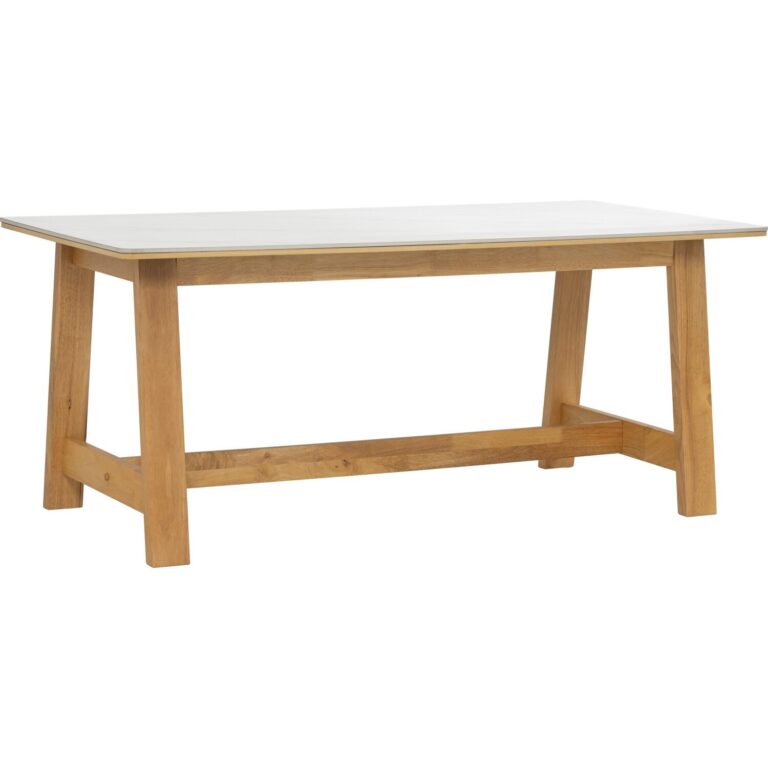 Buying guidesSintered Stone Dining Table: How to Choose One
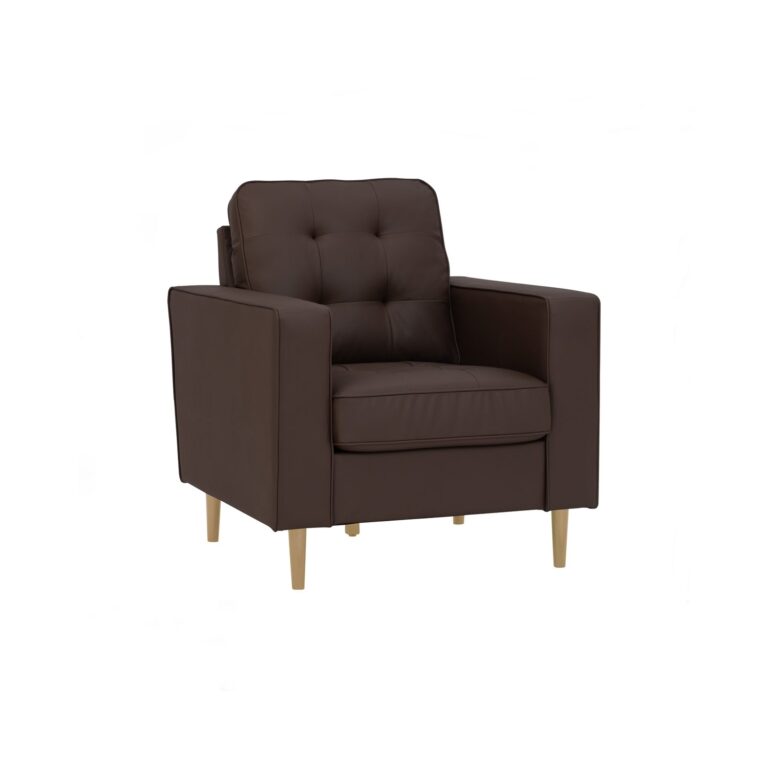 Buying guidesSingle Seat Sofa: How to Choose the Right Fit
Related posts

A useful tableware set covers the meals you serve most, with plate sizes and pieces that suit your diners, storage and table. Continue reading
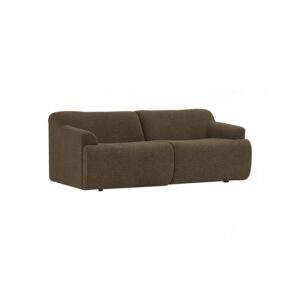
A settee sofa is generally another name for a sofa; compare room fit, seating style and materials before choosing one for your home. Continue reading

Area rugs range from compact 60 × 120 cm mats to broad 200 × 300 cm floor coverings; size yours around the furniture zone. Continue reading
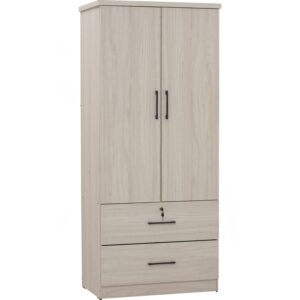
An 80 × 48 × 183 cm 2 door wardrobe is a compact option; compare your room, storage needs and access before choosing a size. Continue reading
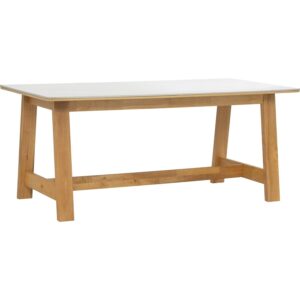
A sintered stone dining table combines a manufactured stone surface with a dining base; choose its shape and size to suit your room and routine. Continue reading