No products in the cart.
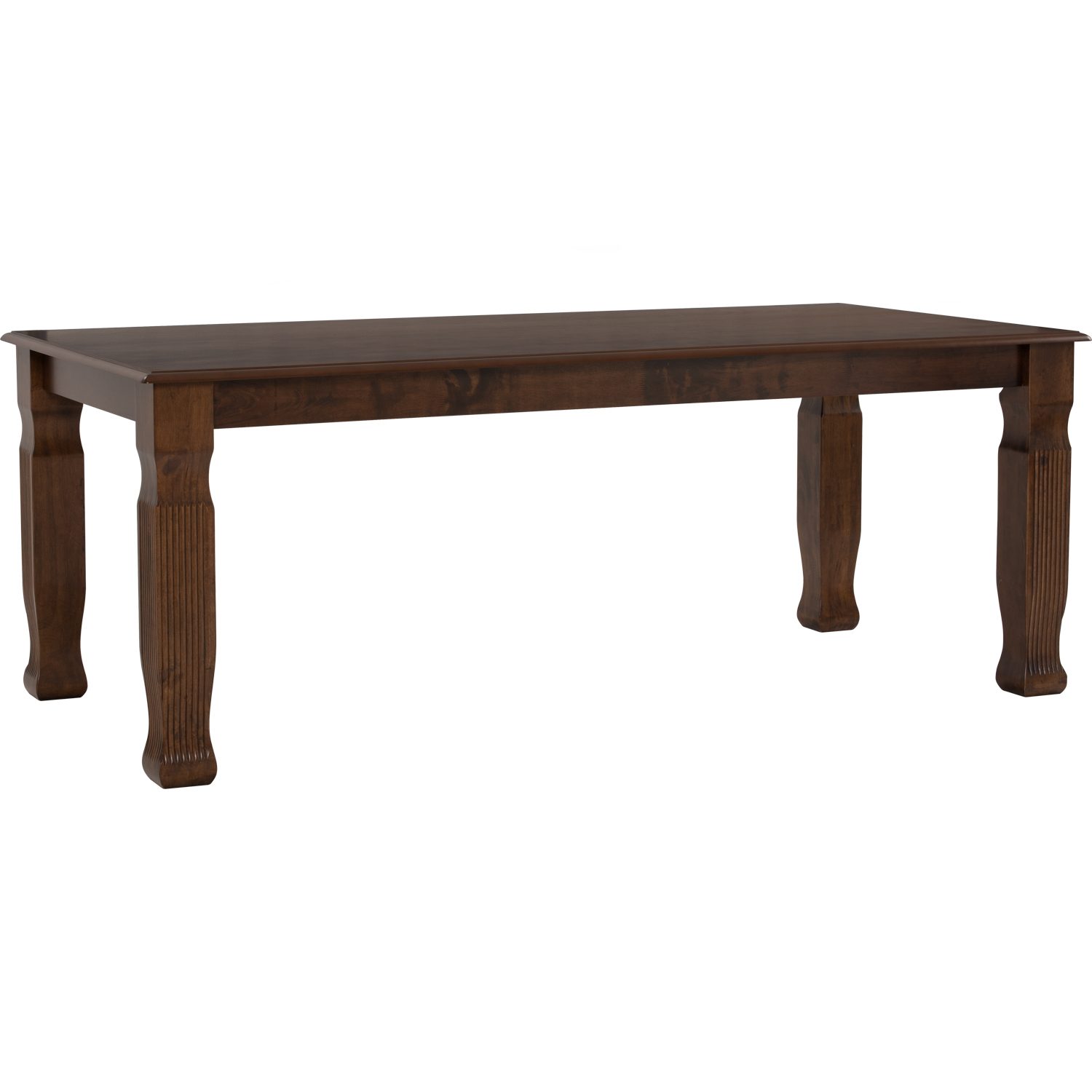
Bartop Table Size Guide: Height, Width and Seating
A bartop table is typically 100–110 cm high (about 39–43 inches), while a counter-height table is usually 86–91 cm (34–36 inches). Choosing the right height affects legroom, stool comfort and how easily the table fits into a condo kitchen, dining area or open-plan living space.
Before ordering, measure the available floor area and decide whether you need a casual dining surface, a kitchen peninsula or a narrow entertaining table. Choose the table height together with the stool height, not separately.
1. Decide what a bartop table is called
A bartop table is also called a bar-height table, pub table or high-top table. In furniture listings, “counter-height table” is often used for a slightly lower table, so check the actual measurement rather than relying on the name alone.
For a Malaysian apartment, a high table can define a dining zone without using the footprint of a large dining set. It also works as a place for quick meals, coffee, laptop use or casual conversation, but it is less comfortable than a standard dining table for long family meals.
2. Compare the standard table heights
These are general furniture measurements to use when comparing bartop table listings. The gap between the stool seat and the underside of the tabletop matters more than the table height by itself.
| Table type | Typical table height | Typical stool seat height | Common use |
|---|---|---|---|
| Standard dining | 71–76 cm (28–30 in) | 41–46 cm (16–18 in) | Meals and longer sitting |
| Counter height | 86–91 cm (34–36 in) | 61–66 cm (24–26 in) | Kitchen counters and casual dining |
| Bartop or bar height | 100–110 cm (39–43 in) | 71–76 cm (28–30 in) | Drinks, quick meals and entertaining |
Allow roughly 25–30 cm (10–12 inches) between the stool seat and the underside of the tabletop. This gives your knees room to move and prevents the table from feeling cramped.
3. Choose the correct bartop table width and length
There is no single standard bar countertop size because the right dimensions depend on the number of users and whether the table is freestanding or attached to a wall. A practical starting point is 60 cm (24 inches) of width per person, with more depth if you want plates, serving dishes or a laptop.
- For two people, plan about 120 cm (47 inches) of usable length.
- For three to four people, 150–180 cm (59–71 inches) gives more comfortable elbow room.
- A tabletop around 45–60 cm (18–24 inches) deep suits drinks and quick meals; 60–75 cm (24–30 inches) is more useful for full place settings.
Leave at least 90 cm (35 inches) behind each stool for people to sit and stand. Increase this to about 110–120 cm (43–47 inches) where the walkway is busy.
4. Match the bartop table to your room
In a compact kitchen or condo, a narrow rectangular table usually uses the floor more efficiently than a round one. Position it parallel to the kitchen run or wall so the circulation path remains clear.
A freestanding bartop table suits renters and households that want flexibility. You can move it between dining and entertaining areas, unlike a fixed breakfast counter. If the table is going beside a wall, keep enough clearance for the stools to slide out fully rather than measuring only the tabletop footprint.
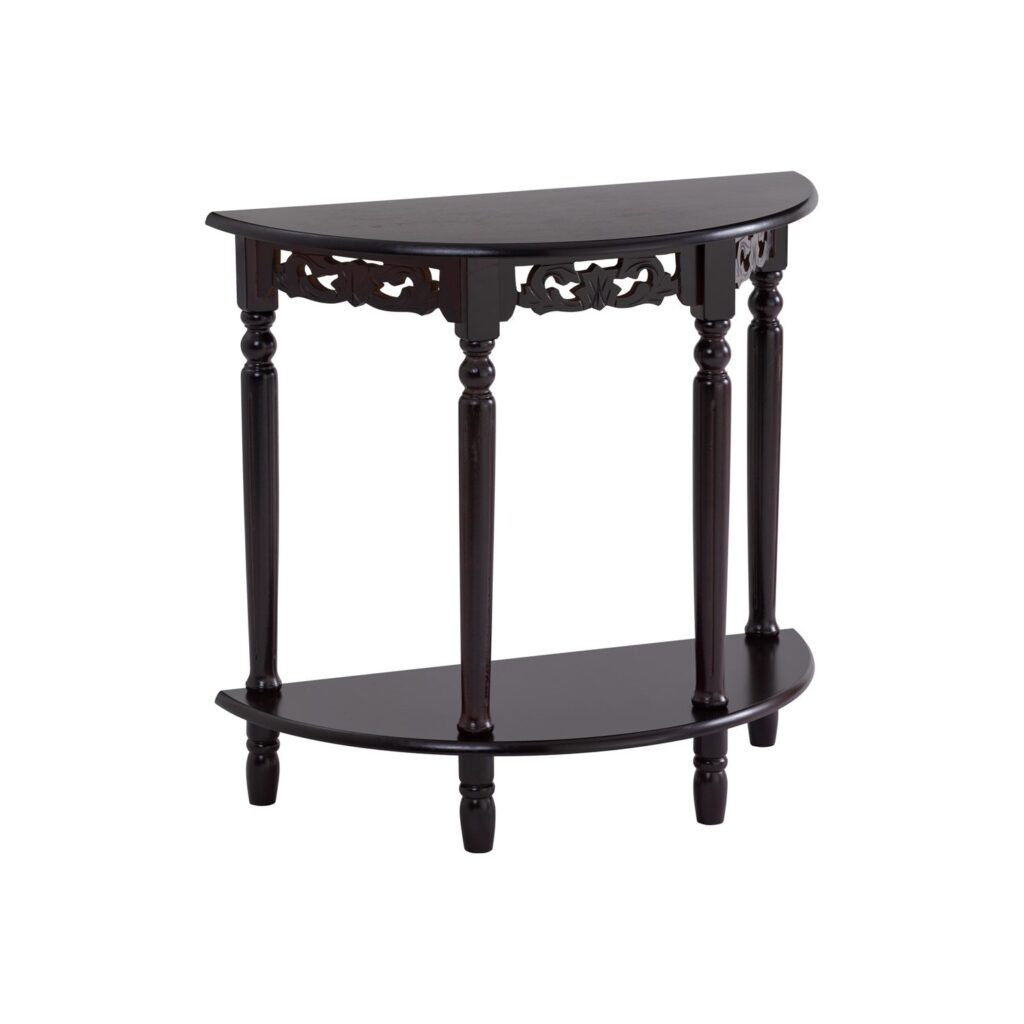
For a lower, more versatile surface, our Tim Console Table measures 74.5 × 34.5 × 70 cm and is made from Malaysian Oak, MDF and veneer. It is not a bartop table, but its slim raised profile shows why a narrow table can work well in an entryway, living room or dining zone when bar height is not required.
Backless barstools
Backless stools slide neatly under the tabletop and keep a small room visually open. They suit occasional use, breakfast counters and homes where the stools need to be tucked away after meals.
Barstools with backs
Stools with backs provide more support for longer sitting and are easier for children or guests to use confidently. They need additional clearance behind the seat, so measure the walkway before choosing them.
The two broad types are therefore backless stools and stools with backs; swivel and fixed designs are further variations. Choose backless when space is tight, or a backrest when comfort matters more than fully hiding the seat.
5. Check materials and everyday use
For a table used every day, consider whether the top is laminated board, veneer, solid timber or another surface, then match your cleaning routine to the material. A laminated surface is practical for regular spills, while timber and veneer bring a warmer appearance but still need prompt wiping and protection from standing water.
Our Tegus 970X1970 Dining Table is 197 × 97 × 74 cm, made from Malaysian Oak, MDF and veneer, and seats up to eight people. At standard dining height rather than bartop height, it is the more comfortable choice for family meals and shared homework.
For a smaller living area, compare the footprint with nearby furniture before ordering. Our Hirado Coffee Table measures 120 × 60 × 42 cm and combines Malaysian Oak with an Oak-finish laminated board top; its low profile is intended for sofa seating, not bar stools.

6. Measure before you order
Record the finished table height, tabletop depth and the stool seat height. Then mark the footprint on the floor with masking tape so you can test the walking route, cabinet doors and chair pull-out space.
- Check the table does not obstruct refrigerator, oven or balcony doors.
- Measure from the floor to the underside of the tabletop for knee clearance.
- Allow space for the stool legs, especially if choosing a four-legged rather than pedestal design.
- Confirm the product dimensions and materials on the listing before ordering.
Which bartop table should you choose?
- Choose a 100–110 cm bartop table for drinks, quick meals and a pub-style entertaining area.
- Select an 86–91 cm counter-height table when it will sit beside kitchen worktops.
- Use a backless stool where the room is narrow and the seats must tuck away.
- Pick a stool with a back when people will sit for longer periods.
Browse our coffee and side tables range, or enquire with Kedai Perabot if you need help comparing dimensions for your space.
Frequently Asked Questions
What is a bartop table called?
A bartop table is also called a bar-height table, pub table or high-top table. Check the listed height because “counter-height” usually refers to a lower table.
How tall is a bartop table?
100–110 cm (39–43 inches) is the typical height for a bartop table. Pair it with stools that have a seat height of about 71–76 cm (28–30 inches).
What are the two types of barstools?
The two broad types are backless barstools and barstools with backs. Backless models save space, while backed models provide more support for longer sitting.
What is the standard size bar countertop?
A practical bar countertop is often 45–60 cm (18–24 inches) deep and allows about 60 cm (24 inches) of length per person. The exact size depends on whether it is for drinks, meals or food preparation.
How much space should be left behind a barstool?
90 cm (35 inches) is a useful minimum behind a stool for sitting and standing. Busy walkways are more comfortable with about 110–120 cm (43–47 inches).
More articles
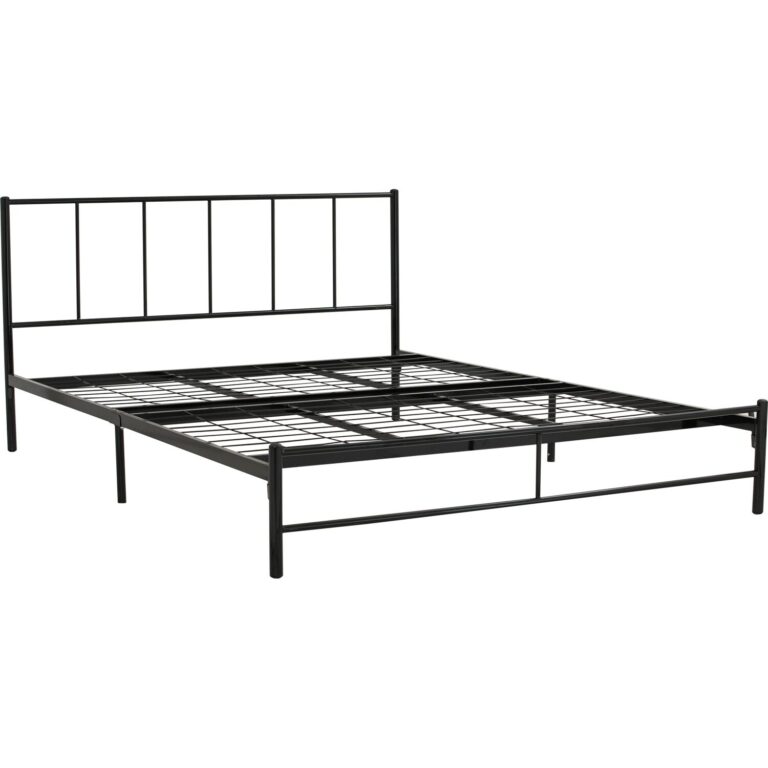 Buying guidesQueen Bed vs King Bed: Which Size Fits Your Room?
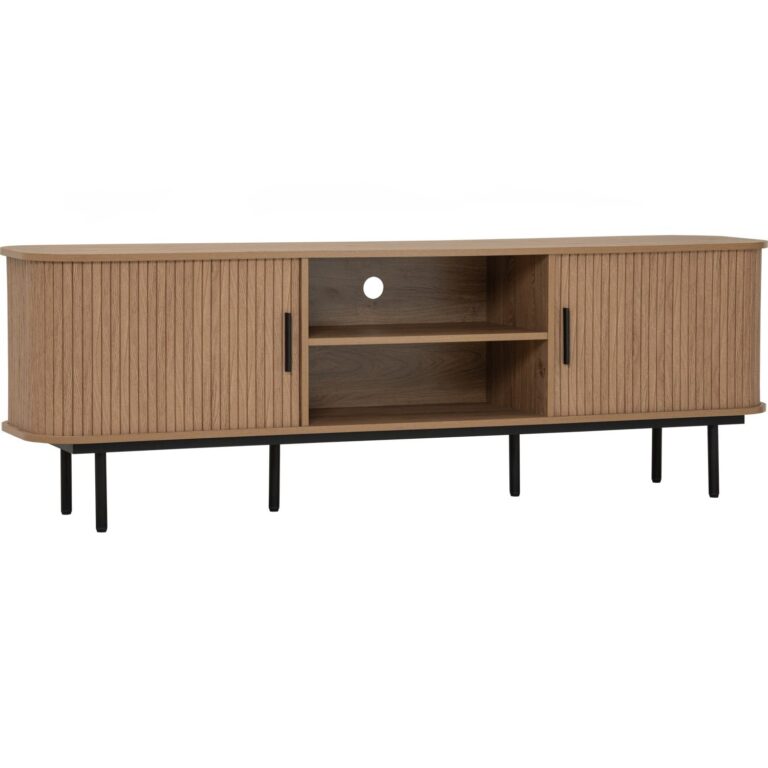 Buying guidesTV Cabinet Design: How to Choose the Right Size and Style
 Buying guidesSingle Bed Size in Malaysia (cm and Feet)
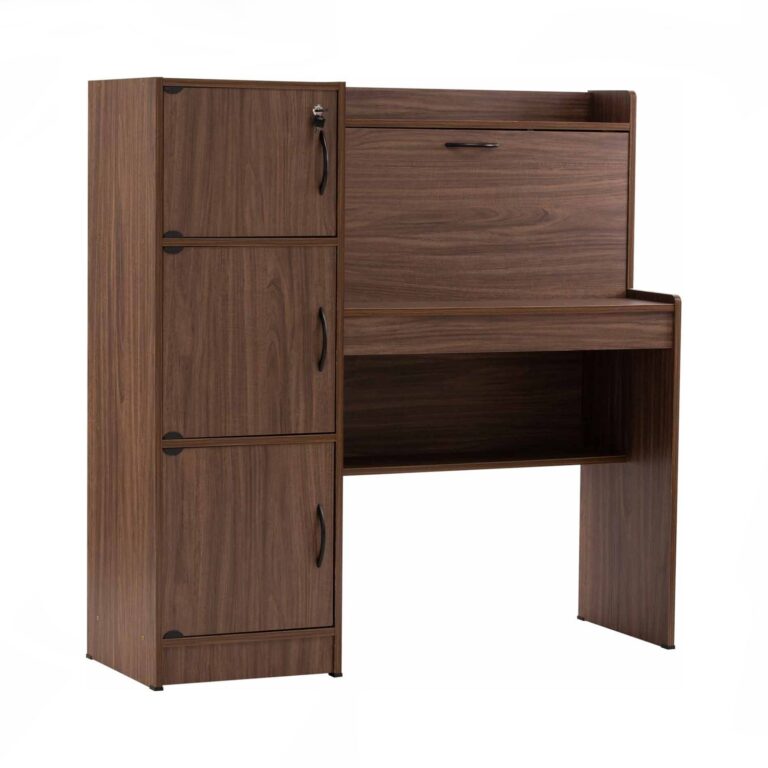 Buying guidesStudy Desks for Children and Teenagers: How to Choose
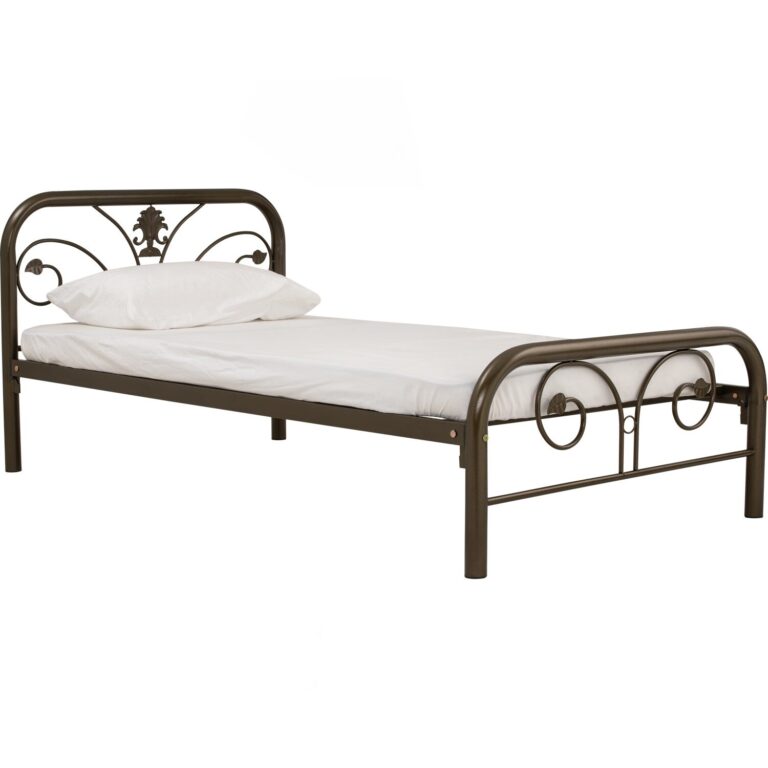 Buying guidesSuper Single Bed Size: What Fits in a Malaysian Bedroom?
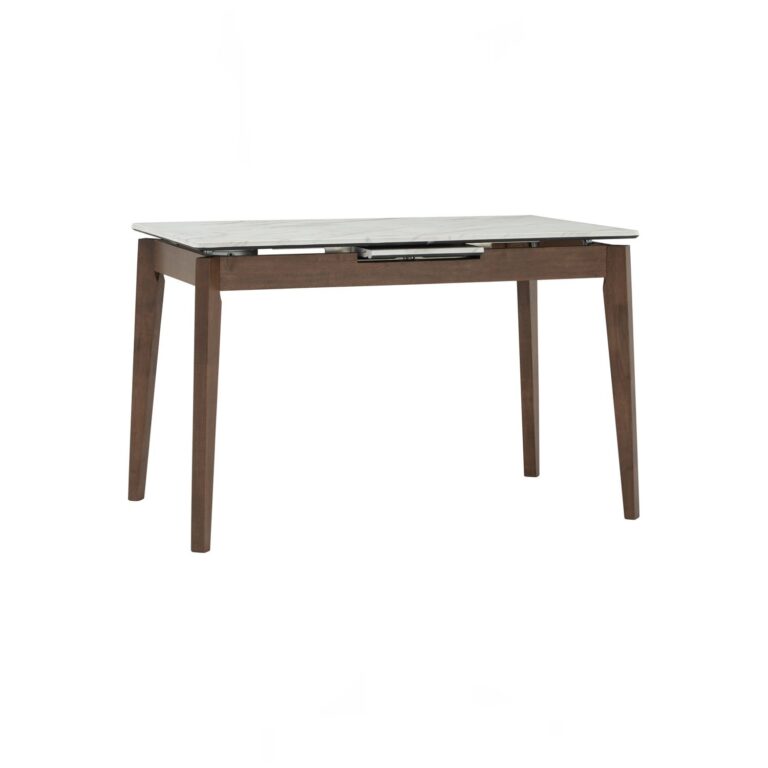 Buying guidesExtendable Dining Tables: Sizes, Seats and Clearance
Related posts
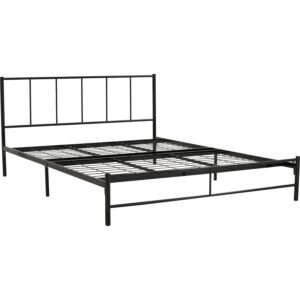
Queen bed vs king bed comes down to room space, sleeping width and the cost of fitting a larger frame and bedding. Continue reading
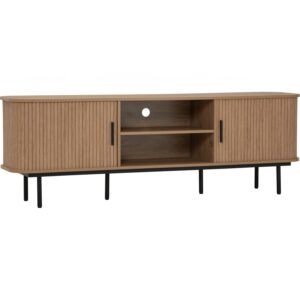
TV cabinet design starts with the right width, viewing height and storage. Compare practical living-room options before ordering online. Continue reading
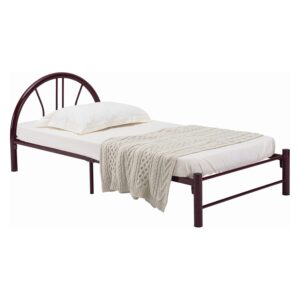
A standard single bed in Malaysia is 3 × 6.25 ft (about 91 × 190 cm). Compare it with super single, queen and king sizes,... Continue reading
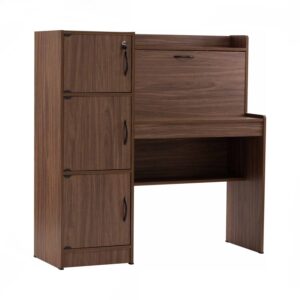
Choose a study desk that fits your child’s posture, schoolwork and bedroom. Compare height, worktop depth, storage and compact Malaysian home layouts. Continue reading
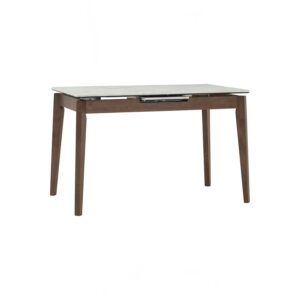
Learn how extendable dining tables work, how many people each length suits and how much room to leave around the table before ordering. Continue reading