No products in the cart.
TV Cabinet Design: How to Choose the Right Size and Style
Good tv cabinet design starts with the right relationship between your television, wall and storage needs. Measure the available space first, then compare width, height, materials and access so the finished living room feels organised rather than crowded.
1. Start with the TV and wall measurements
Measure the television’s actual width, not only its diagonal screen size. Then measure the available wall, skirting board, socket positions and walking clearance before comparing TV cabinet designs for living room spaces. Note the depth of your soundbar, console, router or other equipment as well.
| Cabinet size | Imperial equivalent | Typical planning use |
|---|---|---|
| 120 cm wide | 3 ft 11 in | Compact TV or narrow condo wall |
| 150–152.4 cm wide | 4 ft 11 in–5 ft | Medium living room |
| 180 cm wide | 5 ft 11 in | Widescreen TV and more equipment |
| 200 cm wide | 6 ft 7 in | Large feature wall or open-plan room |
These are general planning ranges rather than fixed TV pairings. A wider cabinet usually creates a more balanced composition, but the room must still have comfortable circulation. Leave space for ventilation and avoid blocking sockets, windows or air-conditioner airflow.
2. Choose a comfortable viewing height
The centre of the screen should be close to seated eye level. For a cabinet, a top height around 45–60 cm is a practical starting point for a sofa-based living room, then adjust for your sofa and TV stand design.
A very tall unit can make the screen uncomfortable to watch, while an extremely low cabinet leaves less room for soundbars and accessories. Measure from the floor to your eye level while seated before deciding. Also check whether the television needs a stand, wall mount or a clear surface around its base.
3. Match the cabinet width to your room
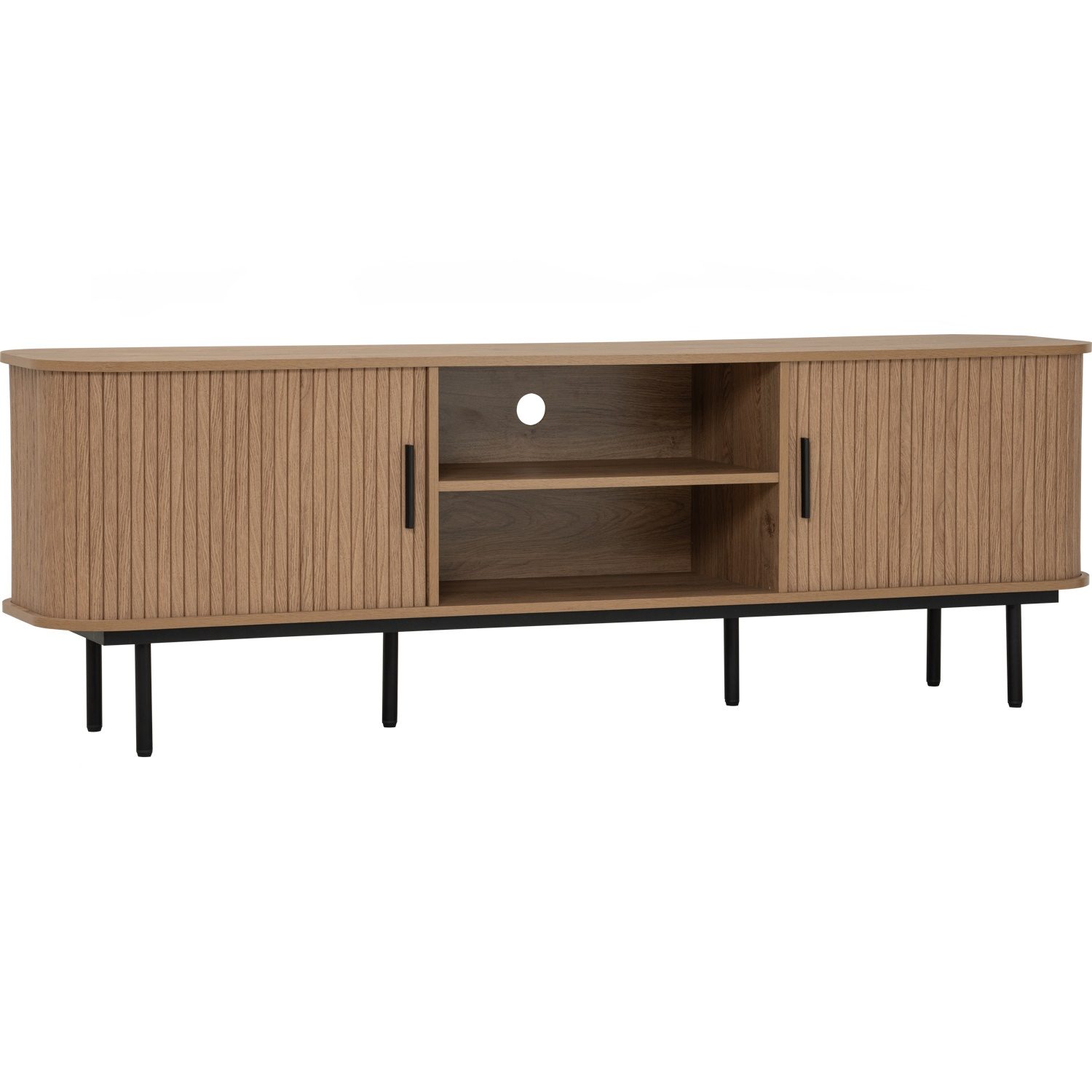
For many Malaysian apartments, a 1.5m TV cabinet gives a useful balance between presence and floor space. The Lamar 1.5m TV Cabinet measures 152.4 cm wide and has three drawers, an open frame and tapered legs. Its Malaysian Oak and MDF construction suits buyers who want enclosed storage without a bulky wall unit.

In a wider living room, the Malmo 1.8m TV Cabinet measures 180 × 40 × 60 cm. It combines Oak laminated board with Matt Black Epoxy metal and provides open shelving alongside enclosed storage, making it suitable for a larger screen or a media setup with several components.
Open shelving
Open shelves make consoles, speakers and remotes easy to reach. They can also keep a smaller room feeling visually lighter, although cables and dust remain more visible. This layout suits households that use streaming devices, game consoles or a soundbar regularly.
Drawers and closed compartments
Drawers hide remotes, controllers and small accessories, while doors keep less attractive equipment out of sight. The trade-off is that enclosed sections need enough ventilation for devices that produce heat. Choose this approach when a tidy, calmer-looking living room matters more than immediate access.
4. Choose materials and visual character
Wood-look laminated board is easy to coordinate with common living-room furniture and keeps the design visually simple. Solid wood details and metal legs add a stronger furniture presence, while black metal creates contrast against lighter walls.
The Lamar’s Malaysian Oak and MDF construction gives it a warmer, more grounded appearance. The Malmo pairs Oak laminated board with Matt Black Epoxy metal for a cleaner contemporary look. Compare the finish with your coffee table, sofa legs and flooring rather than choosing the cabinet in isolation.
5. Plan cable access and daily use
Before ordering, identify the wall socket, router position and cable route. Open-back areas are convenient for connecting equipment, but loose wires still need to be grouped so they do not hang across the floor.
- Keep the soundbar in a position that does not obstruct the screen.
- Allow airflow around game consoles, amplifiers and streaming boxes.
- Check that cabinet depth suits both the furniture and your equipment.
- Leave a clear route to sockets for cleaning and maintenance.
For renters, a freestanding TV cabinet is usually easier to reposition than a built-in feature wall. It also lets you change the layout without altering the property. If you expect to replace the television later, leave some width and weight capacity margin rather than choosing a unit that fits only the current screen.
6. Are TV cabinets still in style?
Yes, TV cabinets remain useful because they combine a display platform with storage and cable management. Modern TV cabinet designs for living room spaces now tend to use slimmer proportions, open sections and simple wood-and-metal combinations rather than oversized wall furniture.
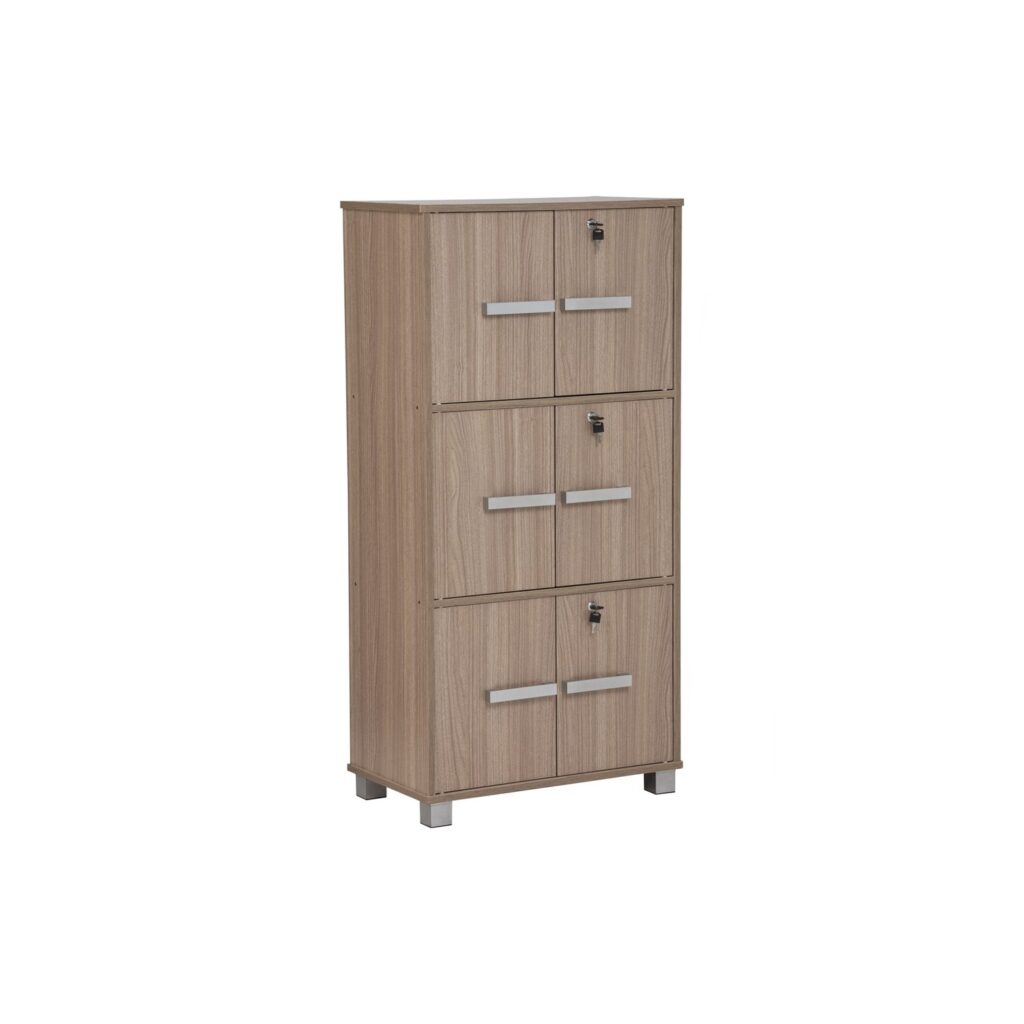
Our practical recommendation is to choose the smallest cabinet that is clearly wider than your TV and still holds the equipment you use. For more enclosed storage beside the media area, consider the Naomi 6 Door Storage Box With Lock, which measures 63.5 × 36.8 × 129.5 cm and uses laminated board with six lockable doors. Browse the storage cabinet range for complementary options, or enquire before ordering to compare dimensions.
TV cabinet design recommendations in brief
- For a compact condo wall, compare a cabinet around 120 cm wide and keep the design visually light.
- For a typical family living room, a 150–152 cm cabinet offers balanced width and useful storage.
- For a large widescreen display, a 180 cm unit gives stronger proportions and more equipment space.
- Choose drawers or doors when you want accessories hidden; choose open shelving when access and ventilation matter most.
Browse Kedai Perabot’s storage options or enquire with us before ordering so you can compare the cabinet dimensions with your wall and equipment.
More articles
 Buying guidesBartop Table Size Guide: Height, Width and Seating
 Buying guidesQueen Bed vs King Bed: Which Size Fits Your Room?
 Buying guidesSingle Bed Size in Malaysia (cm and Feet)
 Buying guidesStudy Desks for Children and Teenagers: How to Choose
 Buying guidesSuper Single Bed Size: What Fits in a Malaysian Bedroom?
 Buying guidesExtendable Dining Tables: Sizes, Seats and Clearance
Related posts
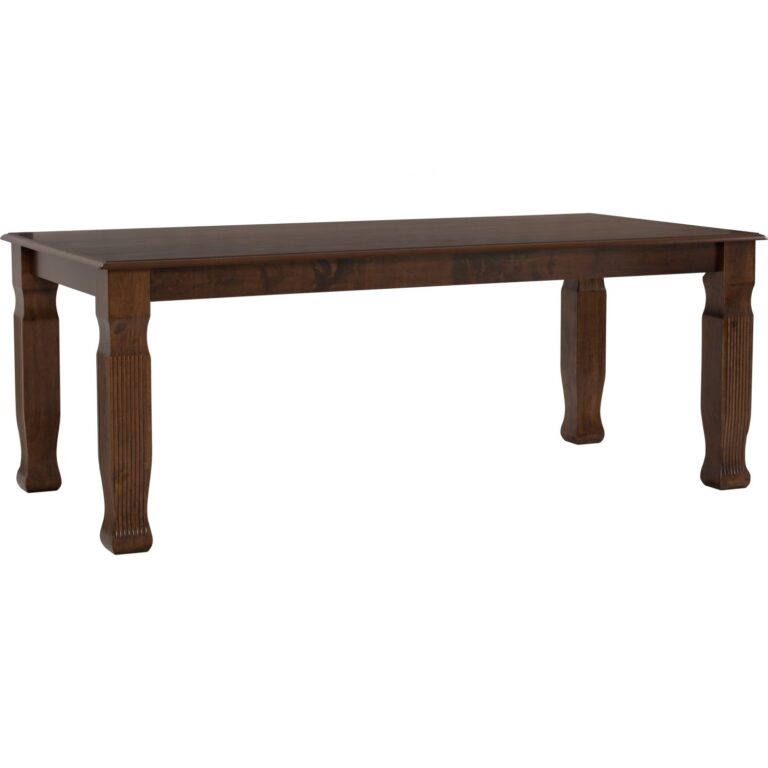
A bartop table is typically 100–110 cm high. Compare counter and bar heights before choosing stools for your home. Continue reading
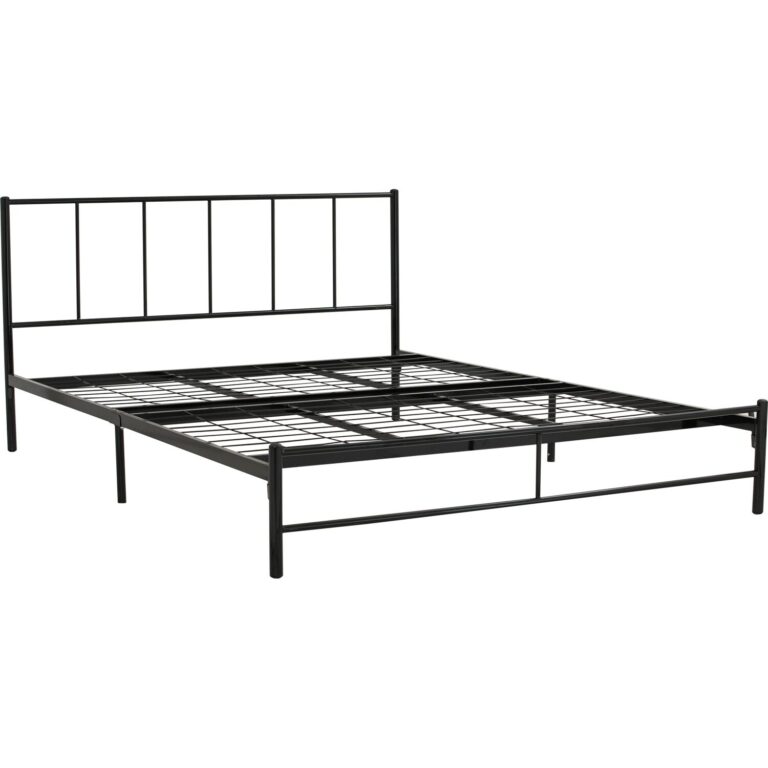
Queen bed vs king bed comes down to room space, sleeping width and the cost of fitting a larger frame and bedding. Continue reading
A standard single bed in Malaysia is 3 × 6.25 ft (about 91 × 190 cm). Compare it with super single, queen and king sizes,... Continue reading
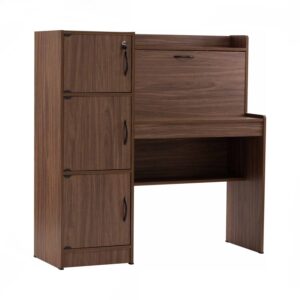
Choose a study desk that fits your child’s posture, schoolwork and bedroom. Compare height, worktop depth, storage and compact Malaysian home layouts. Continue reading
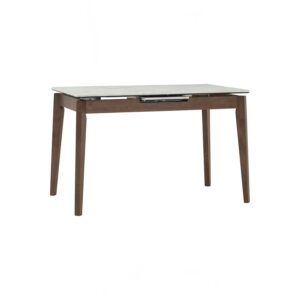
Learn how extendable dining tables work, how many people each length suits and how much room to leave around the table before ordering. Continue reading