
No products in the cart.
Kitchen Decor: How to Make the Room Feel Finished
Good kitchen decor starts with a clear worktop, a coordinated colour palette and useful items that earn their space. The right choices make a kitchen feel more welcoming without getting in the way of cooking, cleaning or moving around.
1. Decide what the kitchen needs to do
Before choosing accessories, notice where you prepare food, where clutter gathers and what you reach for every day. Decor should support those routines: a towel near the sink is useful, while several objects beside the chopping area can make it harder to work.
In a compact condo kitchen, keep the main work surface as open as possible and use wall or vertical storage where there is room. In a larger kitchen, a small group of accessories can help a bare counter feel intentional. Leave clear space around the hob and sink so decorative pieces are not exposed to heat, grease or splashes.
2. Choose a style and a simple colour plan
Popular kitchen styles include modern, minimalist, industrial, country and coastal looks. Modern kitchens often pair clean lines with a restrained palette; industrial schemes use stronger contrasts and metal details; country and coastal styles tend to feel softer and more relaxed. You do not need to remodel to borrow a style—small choices in storage, textiles and colour can shift the mood.
A useful starting point is the 60-30-10 colour guideline: use one main colour across most of the room, a second colour for supporting surfaces or larger accents, and a smaller amount of a contrasting colour. Treat these proportions as a guide, not a strict formula. Repeat one or two colours in towels, containers or storage so the room feels connected rather than overly matched.
| Guideline | How to use it in a kitchen | Example |
|---|---|---|
| 60% main colour | Let the largest surfaces set the overall feel. | Cabinet fronts or walls in a light neutral. |
| 30% supporting colour | Repeat a second tone across smaller surfaces or textiles. | A contrasting backsplash or a few coordinated accessories. |
| 10% accent colour | Add a restrained detail that draws the eye. | A brighter towel or a small countertop item. |
The 3-5-7 rule is another informal decorating guideline: arrange accessories in odd-numbered groups of three, five or seven, often varying their height or shape. It can make a display feel less rigid, but it is not a requirement; in a working kitchen, one useful item may look better than a grouped display.
3. Add storage that contributes to the look
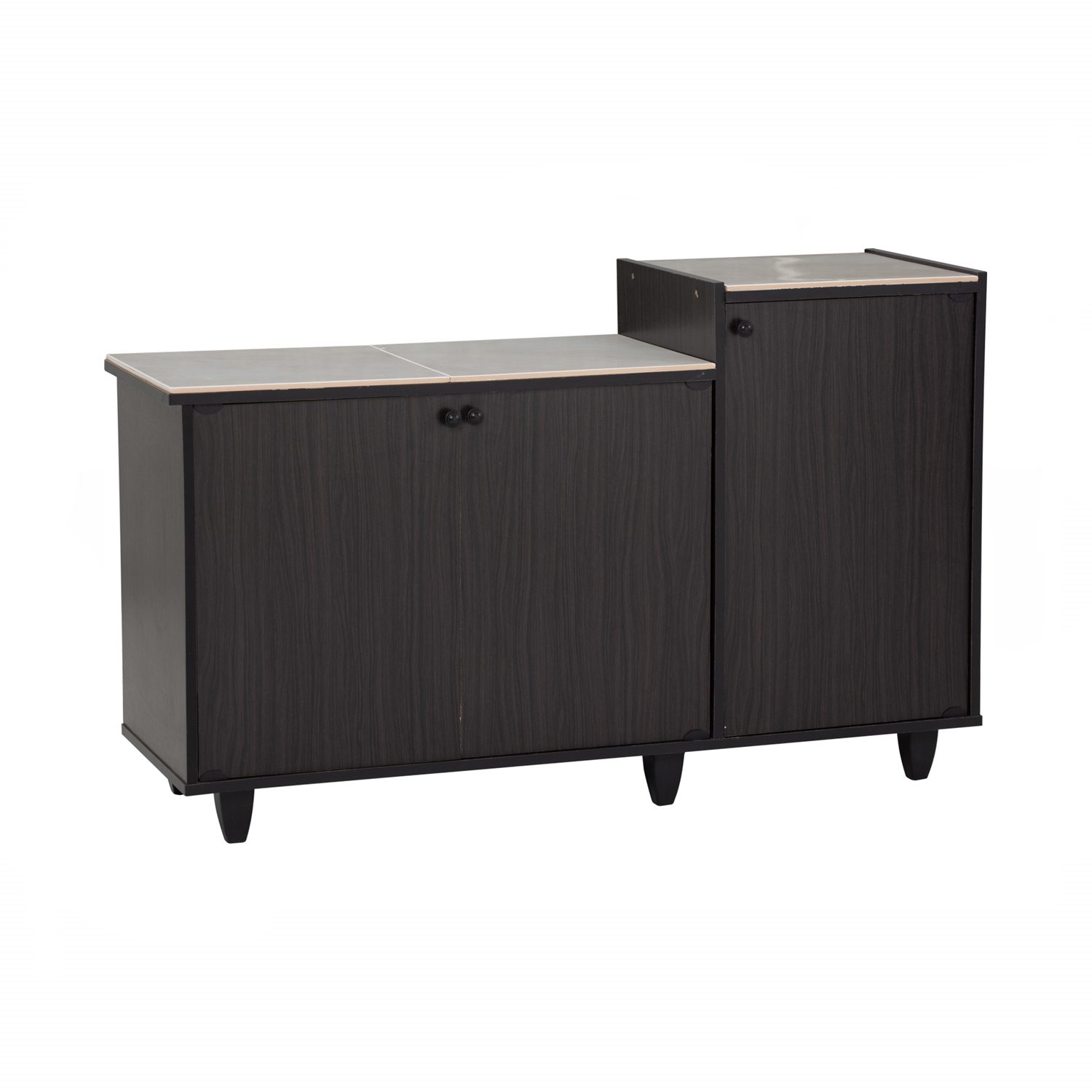
Storage is part of the decor when its finish and shape suit the room. Measure the floor space first, including clearance for doors, drawers and walkways. For a low, broad option, the Frey Gas Cabinet Light Cappuccino is made from laminated board and mosaic and measures 123 cm wide, 40 cm deep and 76.5 cm high. Its light cappuccino finish can sit comfortably in a softer palette.
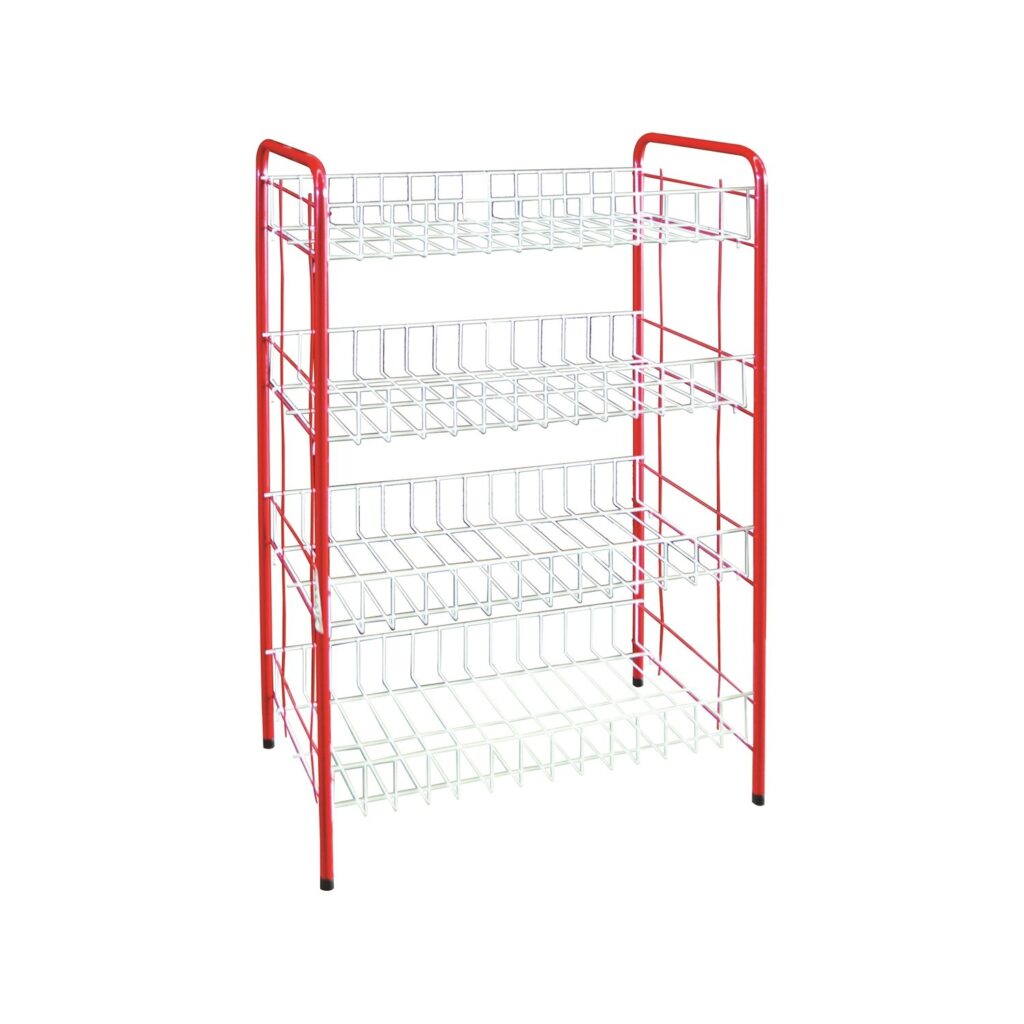
When you want visible, vertical storage, compare the footprint and height with the items you plan to keep there. The Arif 4 Tier Rack is a multicolour metal rack measuring 61.5 cm wide, 38.5 cm deep and 102.7 cm high, with four open levels. Open shelves keep everyday supplies in view, so grouping similar containers and leaving some shelf space clear helps the arrangement look deliberate.
For more options, browse our kitchen storage range. Check dimensions against your available space before choosing, rather than relying on a product photo to judge scale.
4. Use textiles and small details for colour
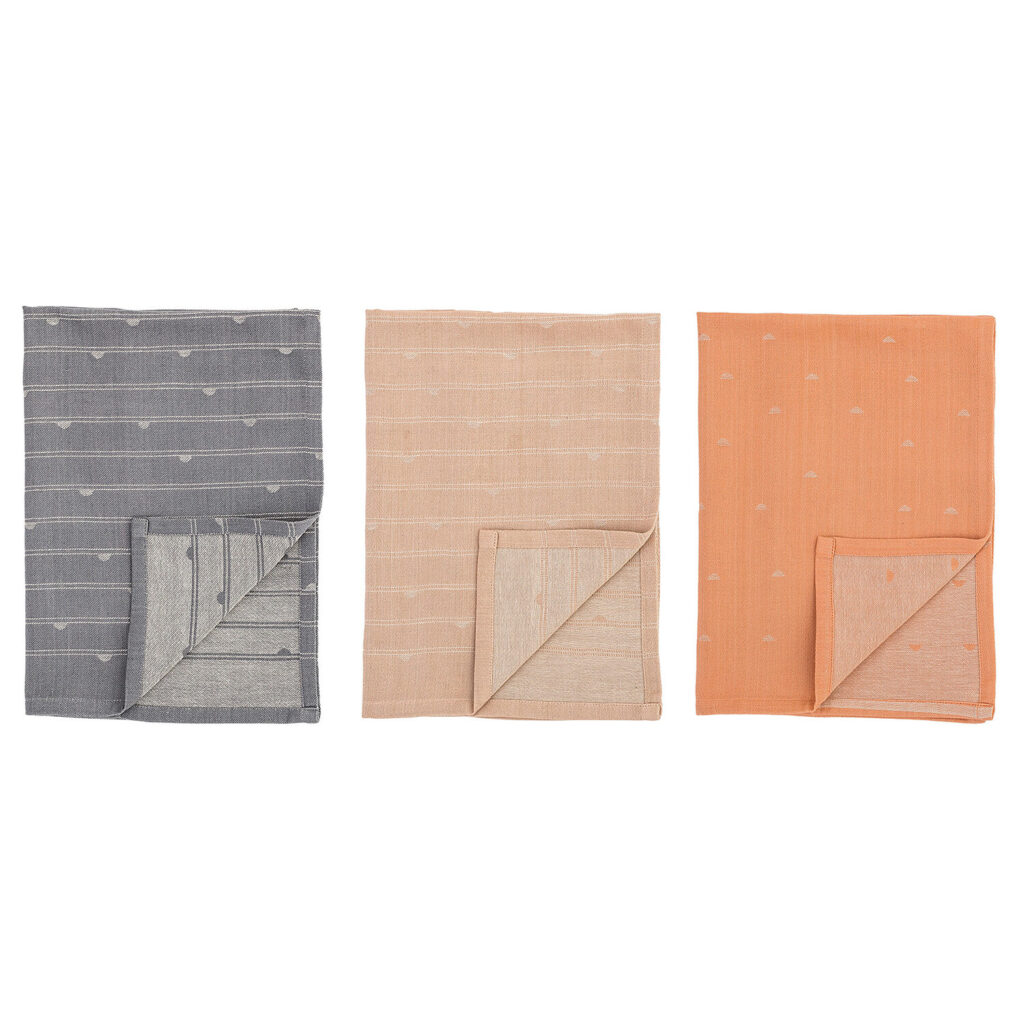
Textiles are an easy way to introduce colour without changing fixed fittings. Keep the palette to a few related tones, and choose items that can be washed or rotated as part of normal kitchen use. A set of three multicolour cotton kitchen towels includes towels measuring 70 × 50 cm each; they can be used for drying dishes or wiping light spills.
Hang or fold towels neatly, and keep them away from open flames and hot cookware. A small tray can group items you already use, but avoid turning the worktop into a permanent display. See our throws and textiles for more ways to bring fabric and colour into the home.
5. Decorate on a budget, especially in a rental
Start with what you own: move a useful container, serving piece or framed print into the kitchen if it suits the space and can be kept clean. Then change one layer at a time, such as towels or storage, instead of replacing several things at once. This makes it easier to see which change actually improves the room.
Renters can focus on portable items and freestanding storage rather than permanent changes. Before adding anything to a wall, check your tenancy terms and the surface. Most importantly, do not buy decor to fill every empty corner: a clear counter is often more useful and calmer than another accessory.
Kitchen decor choices in brief
- For a busy cooking area, choose useful accessories and protect clear preparation space.
- For a small kitchen, prioritise vertical storage and restrained colours.
- For a renter, use portable textiles and freestanding pieces rather than fixed changes.
- For a softer, coordinated look, repeat a small palette across storage and towels.
Browse Kedai Perabot’s kitchen storage and home textiles to find practical finishing touches for your kitchen.
Frequently Asked Questions
Do kitchen accessories need to match exactly?
No, they do not need to match exactly; repeating a few colours or finishes is usually enough to make different pieces feel connected.
Are plants suitable for kitchen decor?
Yes, if the plant has suitable light and is placed away from cooking heat, splashes and food-preparation surfaces.
How can I keep kitchen decor clean?
Choose items with surfaces you can wipe or textiles you can wash, and keep decorative pieces away from greasy or splash-prone areas.
Should I display dishes on open shelves?
Yes, if you use them often and are comfortable keeping the shelves tidy; dishes on open shelves collect dust and need regular cleaning.
More articles
 Buying guidesTableware Set: How to Build a Useful Set for Your Home
 Buying guidesSettee Sofa: How to Choose the Right Fit for Your Home
 Buying guidesWood Dining Table: How to Choose the Right One
 Buying guidesArea Rugs: How to Choose the Right Size and Material
 Buying guides2 Door Wardrobe: How to Choose the Right Fit
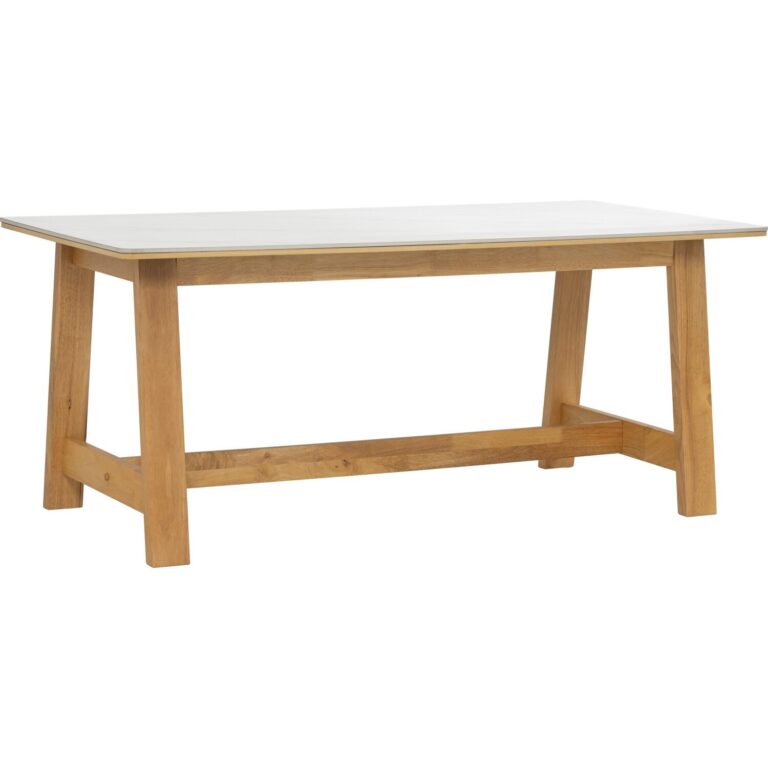 Buying guidesSintered Stone Dining Table: How to Choose One
Related posts

A useful tableware set covers the meals you serve most, with plate sizes and pieces that suit your diners, storage and table. Continue reading
A settee sofa is generally another name for a sofa; compare room fit, seating style and materials before choosing one for your home. Continue reading
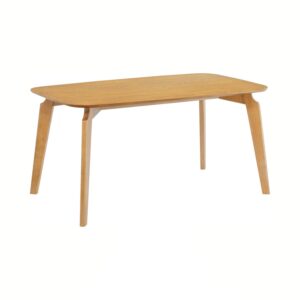
A wood dining table may be solid timber or a veneer-and-board combination; compare construction, size and room clearance before choosing. Continue reading

Area rugs range from compact 60 × 120 cm mats to broad 200 × 300 cm floor coverings; size yours around the furniture zone. Continue reading
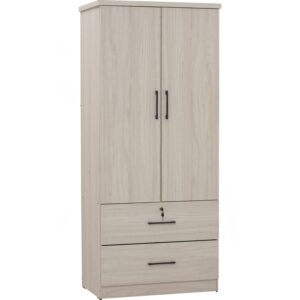
An 80 × 48 × 183 cm 2 door wardrobe is a compact option; compare your room, storage needs and access before choosing a size. Continue reading