
No products in the cart.
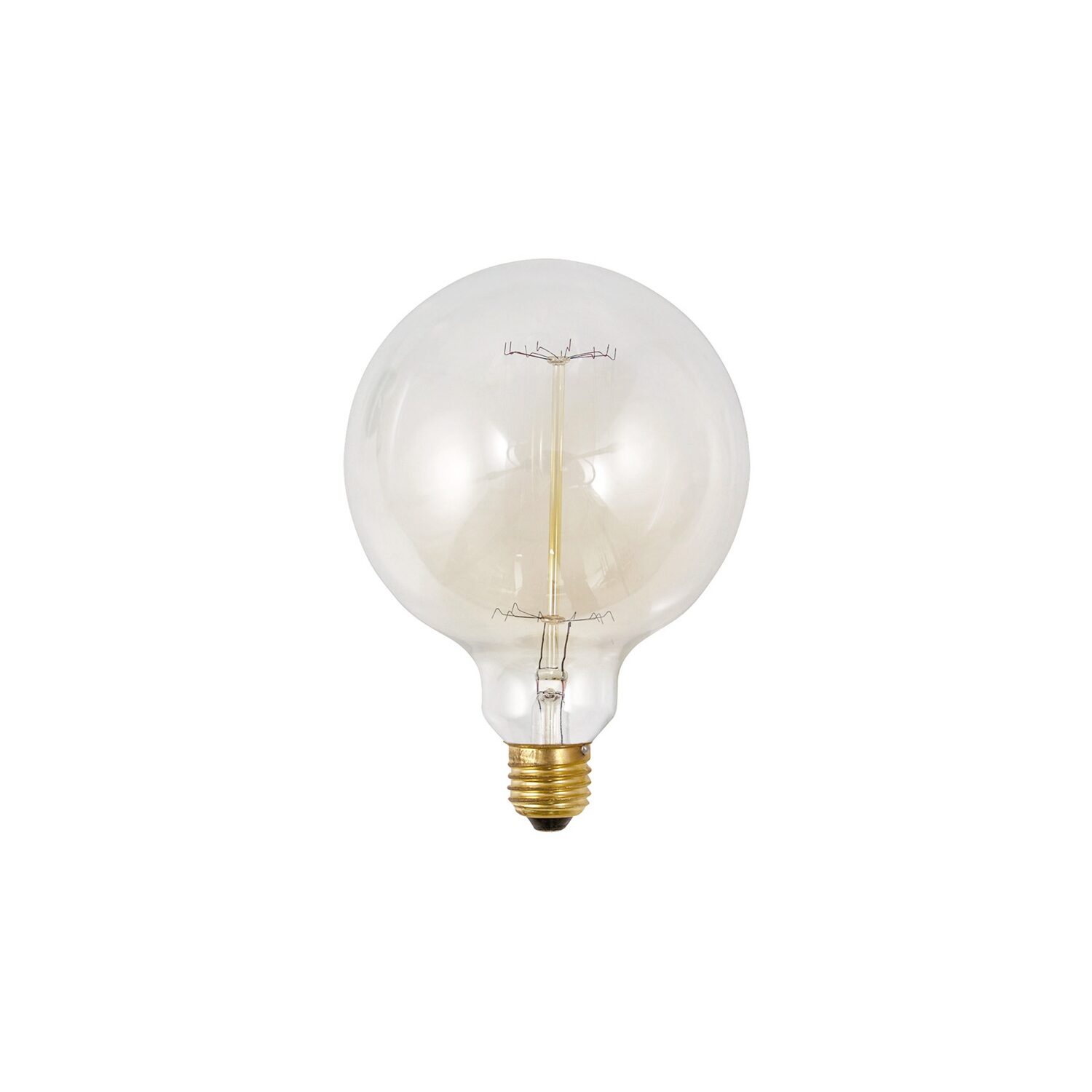
Lighting Design: How to Plan Light for Every Room
Good lighting design for a home uses three layers: ambient light for the room, task light for activities and accent light for emphasis. Planning them together helps you avoid dim work areas, harsh glare and fittings that do not suit the way you use your space.
1. Map the room and its daily use
Start with a simple floor plan, then mark windows, doors, furniture and the spots where people read, cook, work or get ready. A living room used for both relaxing and laptop work needs more than one lighting setting; a dining area may need a clear pool of light over the table without brightening every corner equally.
Notice how daylight changes the room during the day, too. A corner that feels bright at noon can be gloomy in the evening, while a desk beside a window may need less daytime help than the same desk on an interior wall. Renters can make a useful plan using existing ceiling points and plug-in lamps before considering any electrical changes.
2. Set a useful ambient-light level
Ambient lighting gives the room its general light. Ceiling fittings are common, but floor and table lamps can also contribute; the important point is that the light reaches the areas you use without creating sharp glare. The figures below are practical planning ranges, not building-code requirements. Lux measures light reaching a surface, so the result depends on the fitting, bulb, ceiling height and how light or dark the room finishes are.
| Area or activity | General planning range | What to check |
|---|---|---|
| Living room ambient light | 100–200 lux | Keep enough even light for moving around and conversation. |
| Kitchen work surface | 300–500 lux | Light the counter directly and avoid casting your own shadow. |
| Reading or detailed work | 300–500 lux | Check the page or work surface, not just the room. |
| Bedroom ambient light | 100–200 lux | Use separate reading light if the ceiling light feels too bright. |
| Bathroom mirror area | 300–500 lux | Light the face evenly to reduce shadows. |
These ranges help you compare the purpose of each light; they are not a request to fit one powerful bulb everywhere. Several well-placed sources usually give more control than relying on a single bright ceiling fitting.
3. Add task lighting where work happens
Task lighting directs light onto a specific surface, such as a kitchen counter, reading chair, desk or bathroom mirror. Position it so your hand or body does not block the beam, and check the angle from the seat or standing position you actually use. A focused lamp beside a chair can be more comfortable for reading than raising the brightness across the whole living room.
For a dining table, aim for light that reaches the tabletop while keeping the source comfortable to look at from seated positions. The size and shape of the table, its distance from the ceiling and the fitting’s shade all affect how well that works. Browse our dining chairs when planning the view and lighting around a dining setting.
4. Use accent light with a clear purpose
Accent lighting draws attention to a feature, such as artwork, a textured wall, a display shelf or a plant. It works best when it adds a deliberate contrast to the ambient light rather than competing with several other bright points. A small adjustable lamp or a well-aimed fitting can be enough; decide what you want people to notice before choosing its position.
Visible bulbs and shades also affect the room’s appearance when switched off. Our Round Shape Light Bulb is a white glass globe measuring 12.5 cm in diameter, so check that size against the fitting and the sightline before choosing it for an exposed-bulb look. In a living room, consider how light falls on the seating and surrounding finishes; our three-seater sofas category can help you plan that area as a whole.
5. Choose colour and control for the mood
Colour temperature, measured in kelvins (K), describes whether a light looks warmer or cooler. Warm white is often comfortable for relaxing, while a neutral white can make work areas feel clearer. Keep nearby lights similar in colour if they illuminate the same space; noticeably different tones can make one room feel visually disjointed.
Think about control before selecting fittings. Separate switches or dimming let you use brighter task light when needed and lower ambient light later. Dimming only works when the bulb, fitting and control are compatible, so check the specifications together rather than assuming every bulb can be dimmed. If a plan involves new wiring or moving a ceiling point, have a qualified electrician assess the work.
6. Check the plan before buying
Mark each proposed fitting on your floor plan and imagine the room from standing and seated positions. Check that doors and cupboard doors can open, that a pendant will not obstruct movement, and that a lamp has a practical position near a socket. Online dimensions help you assess visible bulbs, shades and furniture against your actual room rather than relying on a photograph.
For a simple visual plan, draw the room to scale and use symbols for ceiling lights, lamps and task areas. A lighting-planning program can show a more technical layout, but you do not need specialist software to identify dark corners or decide which activities need dedicated light. Make one change at a time on paper before committing to electrical work.
Lighting design recommendations in brief
- For a room with several uses, plan separate ambient and task sources so one setting does not have to do everything.
- For reading, cooking or grooming, direct light onto the working surface and check for shadows from your usual position.
- For a quieter evening feel, use lower ambient light and keep brighter task lighting available when needed.
- For exposed-bulb fittings, measure the bulb and check the sightline before selecting its shape.
Browse the Round Shape Light Bulb details to compare its dimensions and material with your fitting.
Frequently Asked Questions
Is there a good app for lighting design?
Yes—DIALux evo is a lighting-planning program that lets you create a room model and assess lighting layouts, though its interface is more technical than most basic home-planning apps.
What is the latest trend in lighting?
There is no single trend that suits every home; layered lighting, warm-white sources and fittings that work as visible decor are useful directions to consider.
How do I design the lighting for my house?
Start with a floor plan showing windows, furniture and activity areas, then add ambient light, task light and accent light where each is needed. Check the plan from seated and standing positions before buying fittings or changing wiring.
Is it light design or lighting design?
Lighting design is the usual term for planning how light and fittings work in a space. Light design can be understood, but it is less commonly used for this home-planning topic.
More articles
 Buying guidesTableware Set: How to Build a Useful Set for Your Home
 Buying guidesSettee Sofa: How to Choose the Right Fit for Your Home
 Buying guidesWood Dining Table: How to Choose the Right One
 Buying guidesArea Rugs: How to Choose the Right Size and Material
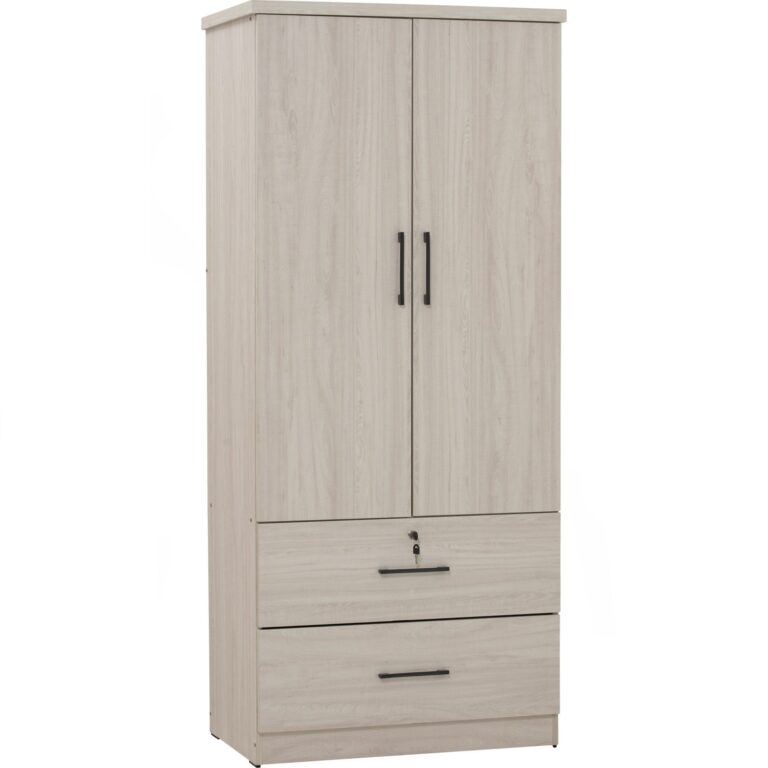 Buying guides2 Door Wardrobe: How to Choose the Right Fit
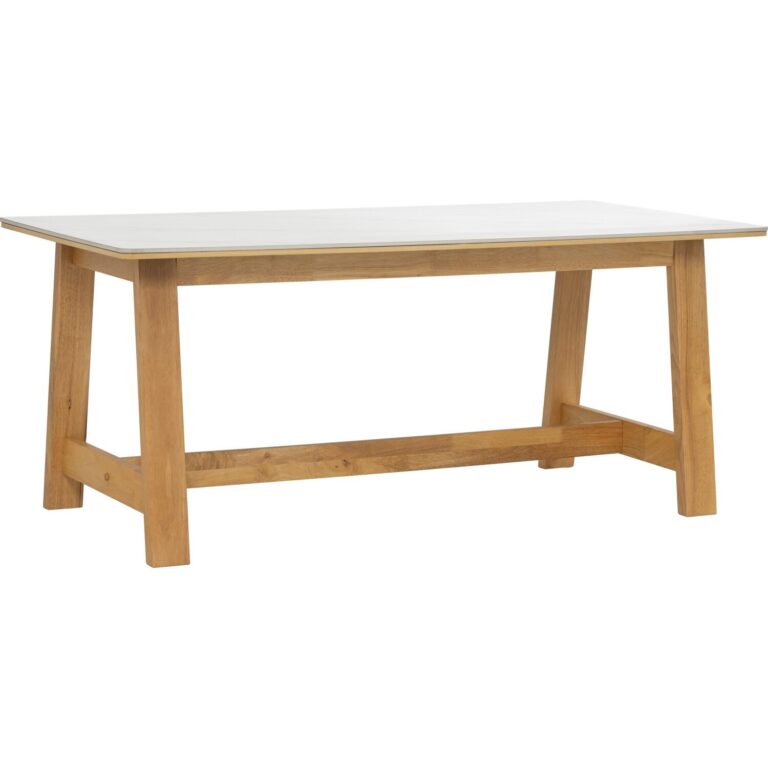 Buying guidesSintered Stone Dining Table: How to Choose One
Related posts

A useful tableware set covers the meals you serve most, with plate sizes and pieces that suit your diners, storage and table. Continue reading
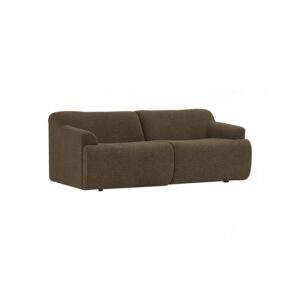
A settee sofa is generally another name for a sofa; compare room fit, seating style and materials before choosing one for your home. Continue reading
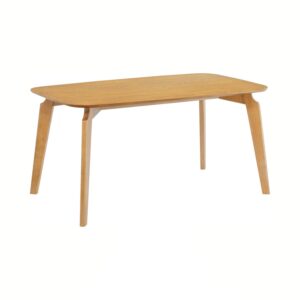
A wood dining table may be solid timber or a veneer-and-board combination; compare construction, size and room clearance before choosing. Continue reading

Area rugs range from compact 60 × 120 cm mats to broad 200 × 300 cm floor coverings; size yours around the furniture zone. Continue reading
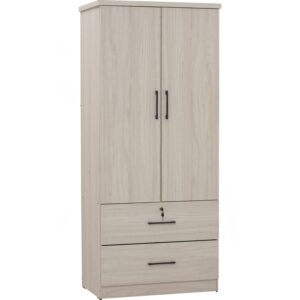
An 80 × 48 × 183 cm 2 door wardrobe is a compact option; compare your room, storage needs and access before choosing a size. Continue reading