
No products in the cart.
Minimalist Home Decor: How to Make It Work at Home
Minimalist home decor works best when you keep useful furniture and a few considered details, rather than stripping a room bare. That approach helps Malaysian homes feel calmer while making limited floor space easier to use and furnishing decisions easier to prioritise.
1. Decide what the room needs to do
Begin with the routines that happen in the room, not with a style board. A living room might need comfortable seating and a place for drinks, while a dining area may also serve as a work or homework spot. Keeping those jobs in view prevents you from buying decorative furniture that takes up space without solving a real need.
Walk through the room and note what you reach for every day, what is currently in the way and what can be stored elsewhere. In a rental or condo, this is especially useful: choosing fewer, better-fitting pieces is easier than trying to rearrange a crowded room later.
2. Plan the layout before choosing pieces
Measure the room, doorways and the route between furniture before ordering. Mark out the footprint of a proposed table or chair with masking tape, then check that doors can open and people can still move comfortably around it. A clean layout is as important to a minimalist look as the furniture itself.
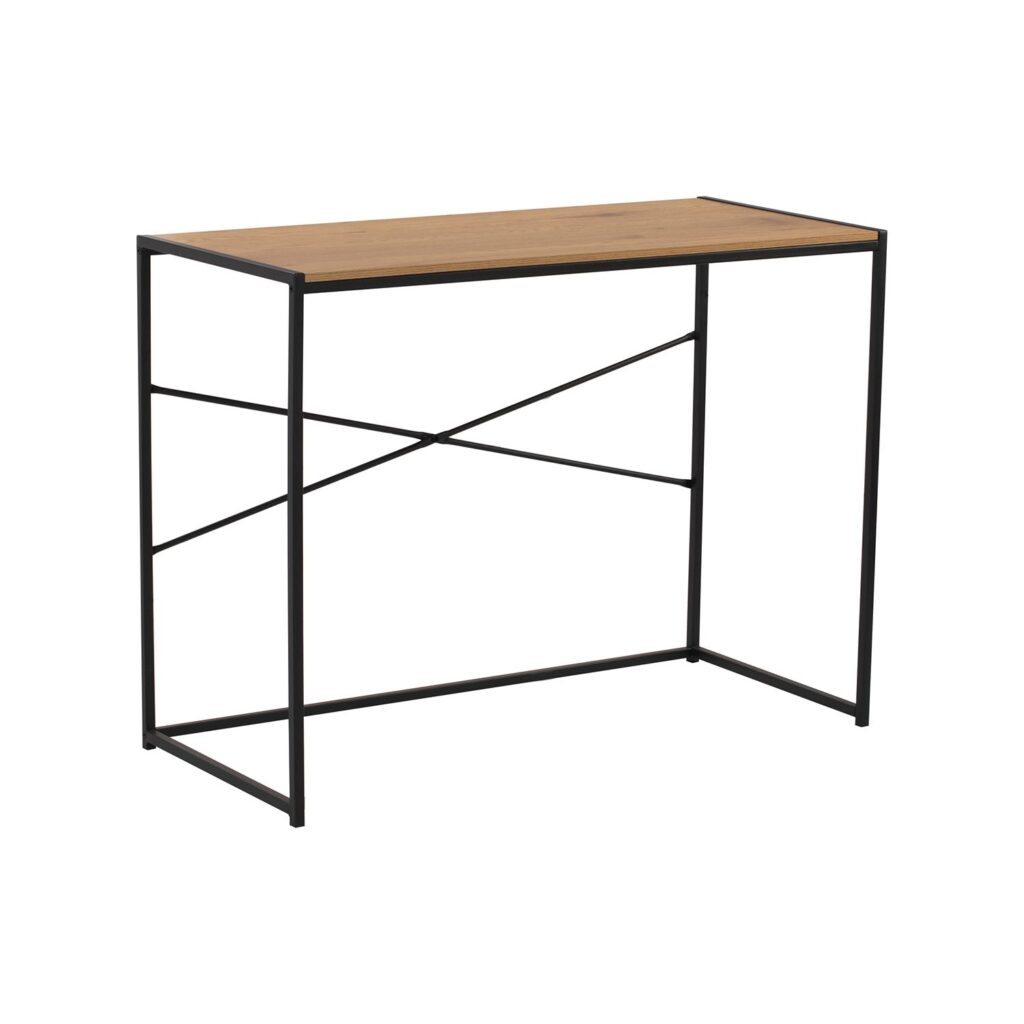
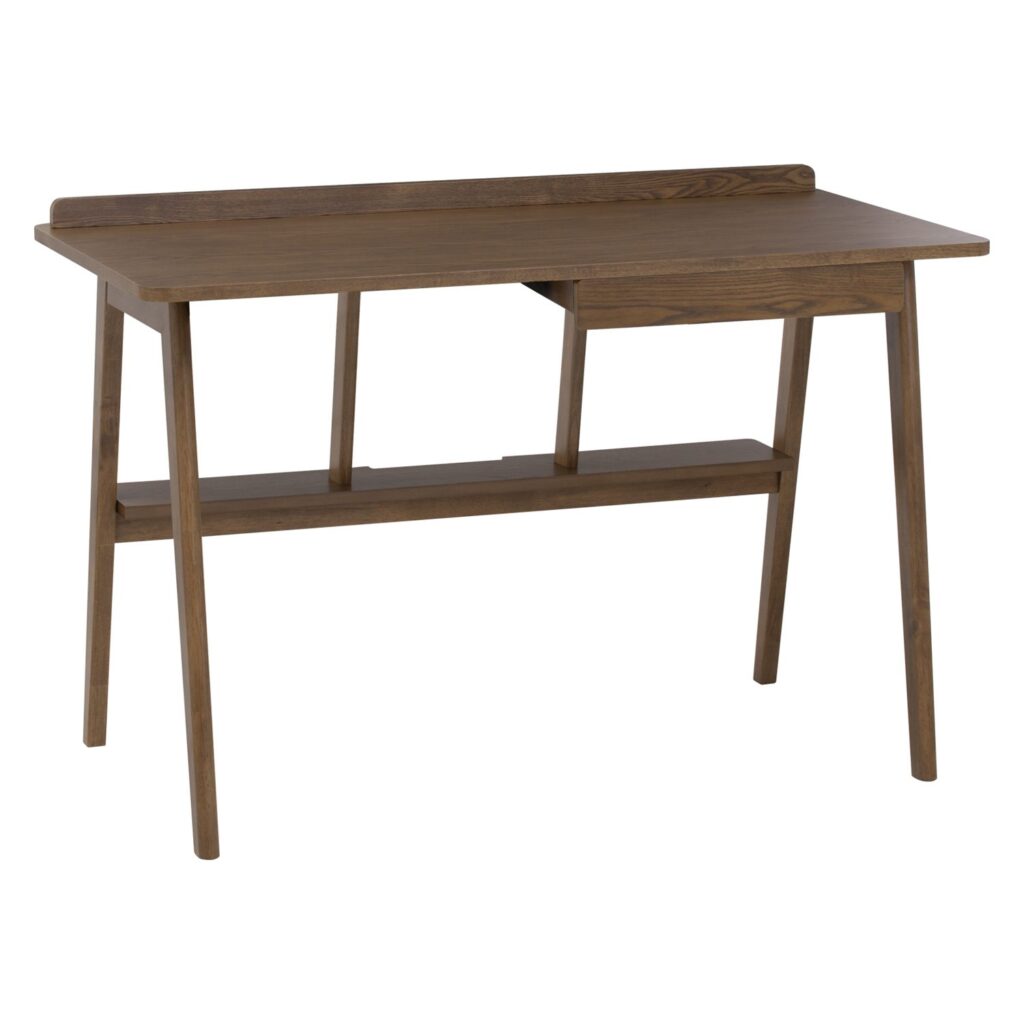
Leave some open floor and wall space rather than filling every corner. If you need a desk, compare its footprint with the space you can genuinely spare: the Bradford Working Desk measures 100 × 45 × 75 cm (about 39.4 × 17.7 × 29.5 in), while the Colt 600 X 1200 Working Desk measures 120 × 60 × 75 cm (about 47.2 × 23.6 × 29.5 in). The smaller footprint suits a tighter study corner; the wider desk gives more surface area when your work needs it.
3. Keep the colour plan restrained
Choose a simple base palette for large surfaces, then repeat one or two accents in smaller items. A restrained mix makes different furniture pieces feel connected, even when they were bought at different times. It also gives you room to refresh the look with a cushion, artwork or lamp without replacing major items.
Minimalist does not mean every surface must be white or every item must match. Natural wood tones can add warmth, while black metal details create contrast. Decide which tone will lead, and use the others deliberately; too many unrelated finishes can make a sparse room feel unsettled rather than calm.
4. Choose materials for daily use
Look at what a surface is made from and how you will use it. A dining table that doubles as a homework area has different demands from a small accent table used for a book or a cup. For each item, consider cleaning, the likelihood of knocks and whether its finish works with the rest of the room.
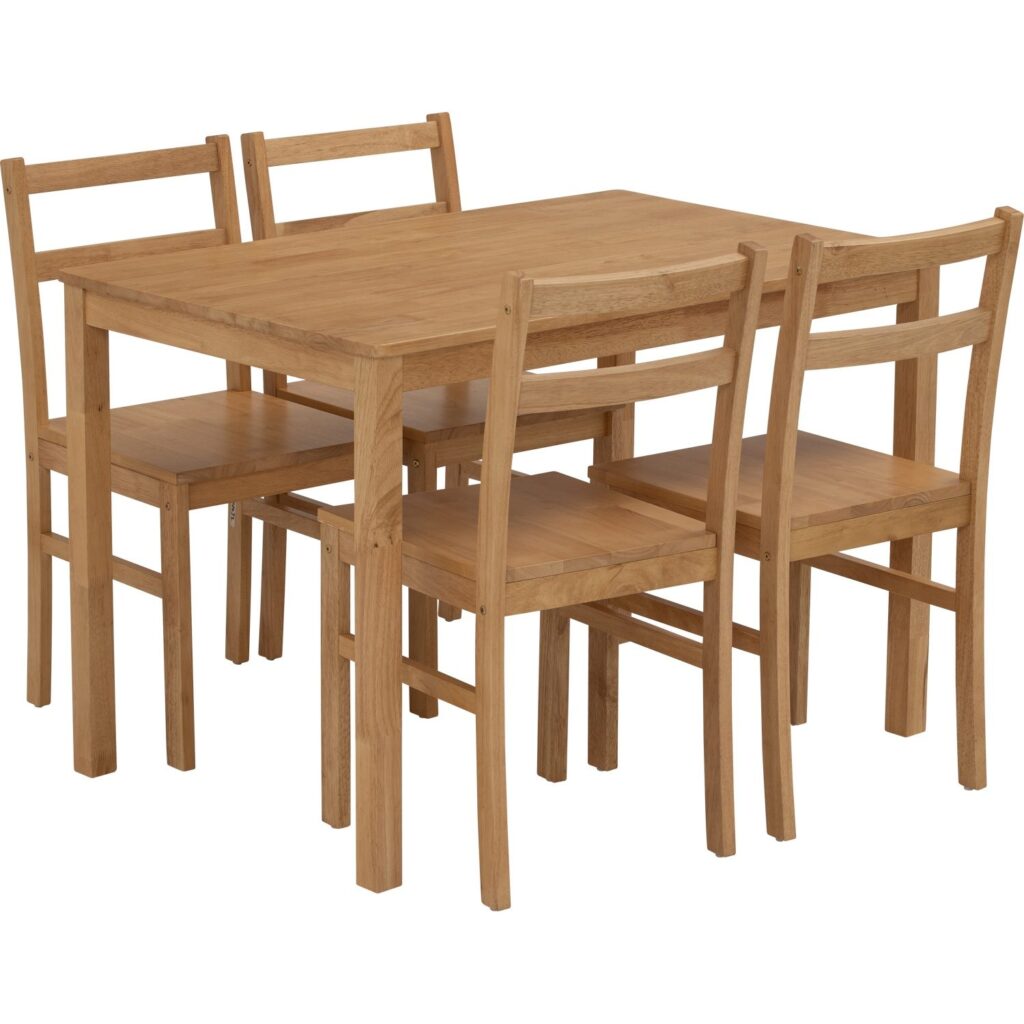
For example, the Rivah Dining Set 1+4 (Solid) is made from solid Malaysian Oak and measures 110 × 70 × 74 cm (about 43.3 × 27.6 × 29.1 in). It provides one table and four matching chairs for everyday dining or shared activities. A simple set like this can make a dining area feel composed without adding several separate furniture styles.
5. Give each table or storage piece a clear job
Small surfaces are easy to accumulate, so decide what each one will hold before adding it to the room. A coffee table can serve the seating area; a side table can keep a lamp, book or drink close to a chair. If the purpose is unclear, you may be better off keeping the floor open.
| Piece | What it contributes | Choose it when |
|---|---|---|
| Coffee table | A shared surface within the seating area | You regularly use the space for drinks, books or a small display |
| Side table | A handy surface beside a seat or bed | You want essentials close without adding a larger table |
| Drawer side table | A surface plus concealed storage | You want small everyday items kept out of sight |
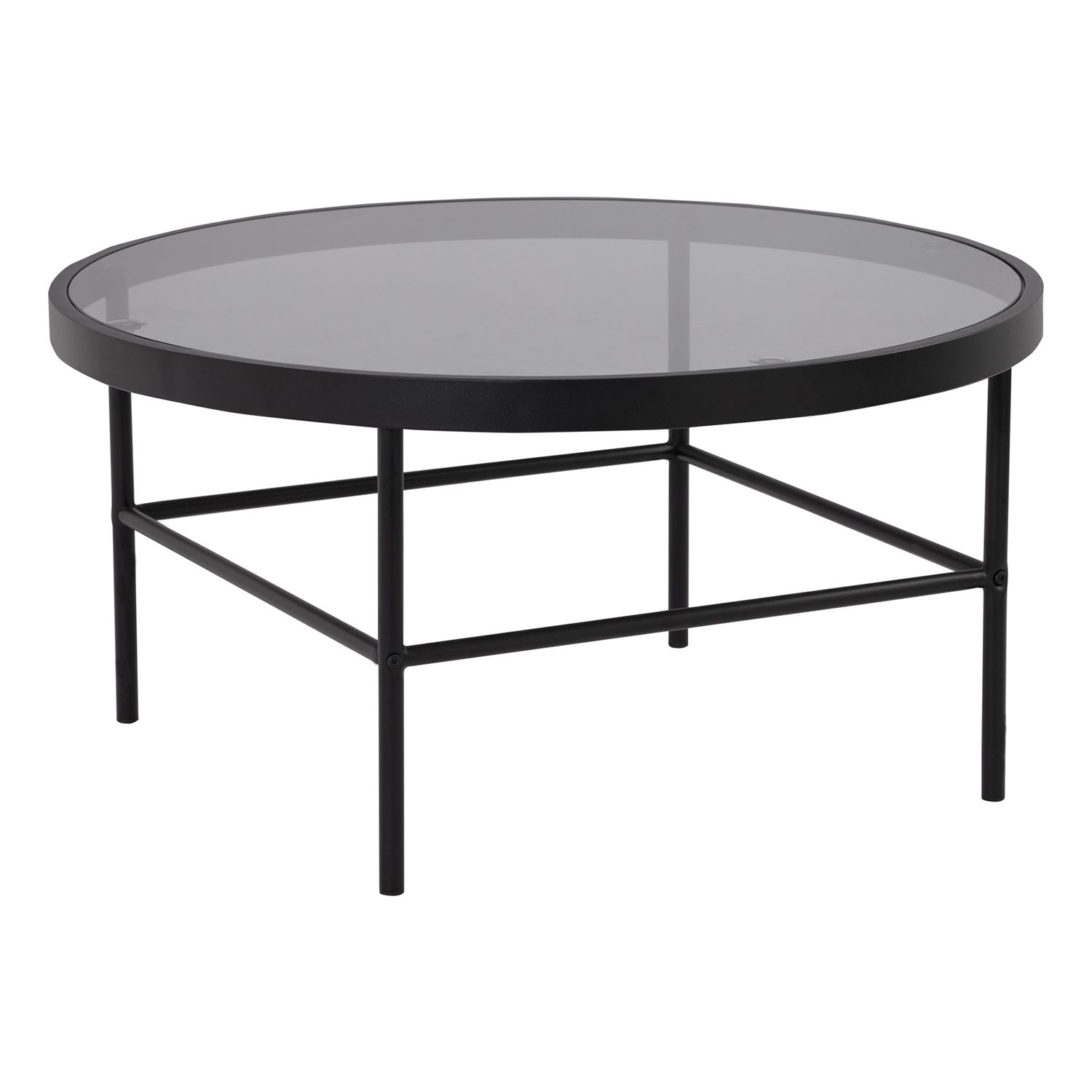
The Cashel Round Coffee Table has an 80 cm diameter (about 31.5 in) smoked tempered-glass top and a matte black metal and steel base. Its round shape gives the seating area a defined surface while keeping the base visually open. For a smaller, beside-the-seat role, the Hirado 1 Drawer Side Table measures 45 × 40 × 45 cm (about 17.7 × 15.7 × 17.7 in) and combines a drawer with an open shelf.
Browse our coffee and side tables by the job and footprint you need, rather than adding one simply to fill an empty spot.
6. Finish with lighting and a few personal details
Once the main furniture is in place, check whether the room has enough light for its activities. A reading corner needs useful light near the seat; a dining area benefits from light that reaches the table. Choose lamps and decor that support those uses, and avoid collecting small objects on every surface.
One larger artwork, a favourite object or a small group of related pieces can feel more intentional than many scattered accents. Keep the items you enjoy seeing, but leave some clear space around them so each one has room to register. Minimalism should make the home easier to live in, not make it feel impersonal.
If you need a work surface, explore our home office desks and compare their listed dimensions with your measurements before choosing.
Your minimalist home decor shortlist
- Choose the Bradford desk if you need a compact work surface for a tight corner.
- Choose the Colt desk when your tasks call for a wider working area.
- Choose the Rivah set for a coordinated dining setup with four chairs.
- Choose a coffee or side table only when it supports a regular activity or keeps essentials close.
Browse Kedai Perabot’s coffee and side tables to compare options for your living space.
Frequently Asked Questions
Is minimalist home decor the same as having an empty room?
No, minimalist home decor is not about removing everything. It is about keeping the furniture and personal details that serve a purpose or matter to you, while leaving enough open space for the room to work comfortably.
Can I mix older furniture with minimalist decor?
Yes, you can mix older furniture with minimalist decor. Keep the overall palette considered and let the older piece be a deliberate feature rather than surrounding it with many competing accents.
Are open shelves a good choice for a minimalist home?
Yes, open shelves can work if you have a manageable number of items to display and are comfortable keeping them tidy. If you prefer everyday belongings out of sight, closed storage is a more practical fit.
How can I make a minimalist room feel personal?
Use a small number of meaningful details, such as artwork, a favourite object or a family photograph. Choosing items with personal significance helps the room feel lived-in without relying on lots of decoration.
More articles
 Buying guidesTableware Set: How to Build a Useful Set for Your Home
 Buying guidesSettee Sofa: How to Choose the Right Fit for Your Home
 Buying guidesWood Dining Table: How to Choose the Right One
 Buying guidesArea Rugs: How to Choose the Right Size and Material
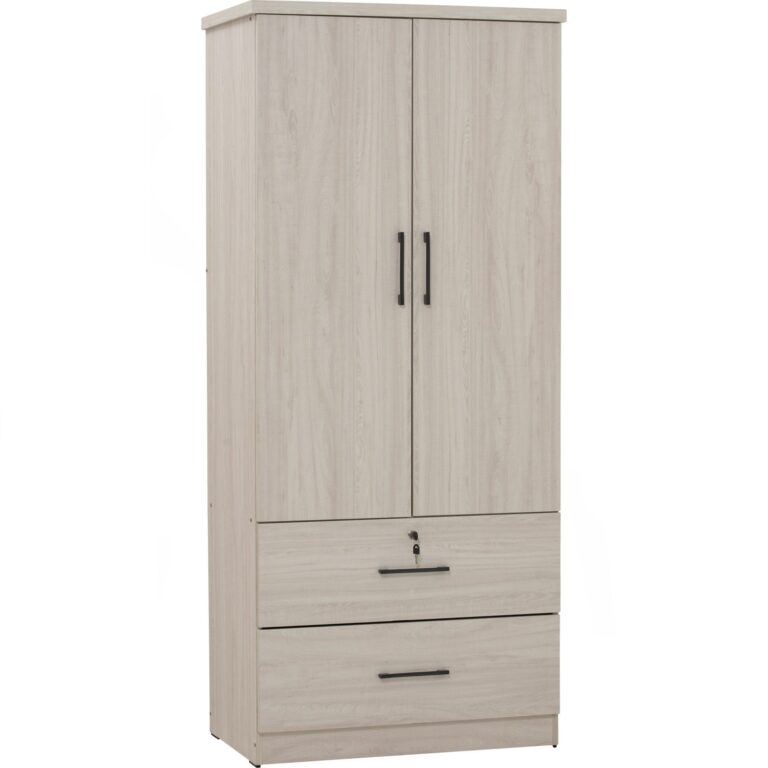 Buying guides2 Door Wardrobe: How to Choose the Right Fit
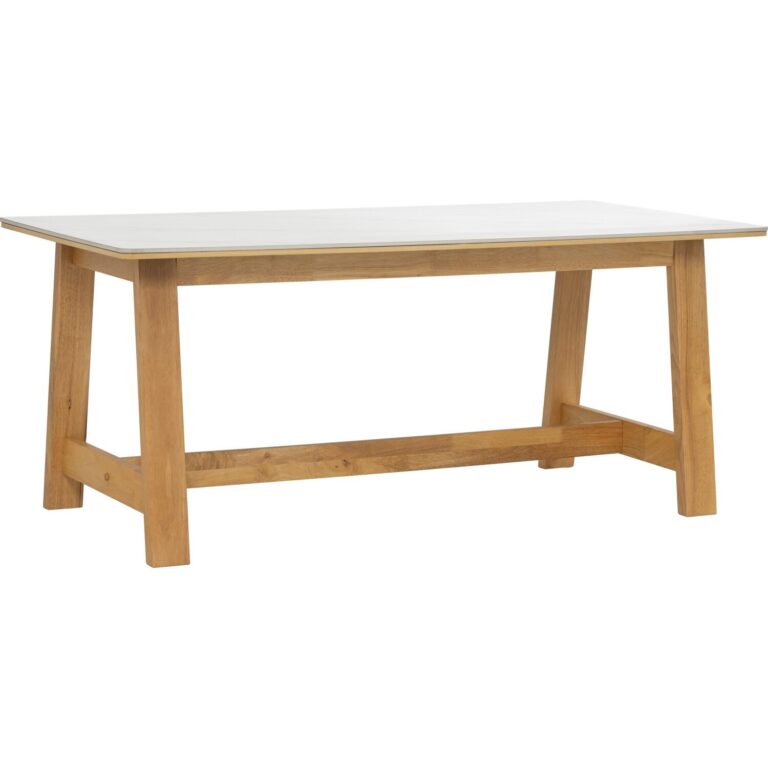 Buying guidesSintered Stone Dining Table: How to Choose One
Related posts

A useful tableware set covers the meals you serve most, with plate sizes and pieces that suit your diners, storage and table. Continue reading
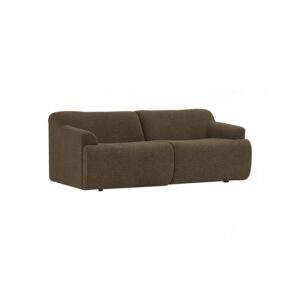
A settee sofa is generally another name for a sofa; compare room fit, seating style and materials before choosing one for your home. Continue reading
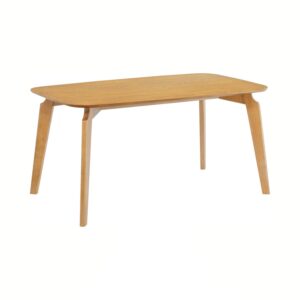
A wood dining table may be solid timber or a veneer-and-board combination; compare construction, size and room clearance before choosing. Continue reading

Area rugs range from compact 60 × 120 cm mats to broad 200 × 300 cm floor coverings; size yours around the furniture zone. Continue reading
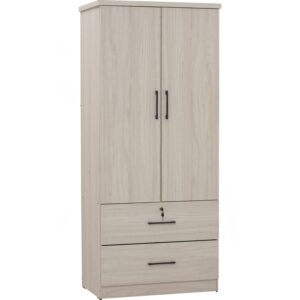
An 80 × 48 × 183 cm 2 door wardrobe is a compact option; compare your room, storage needs and access before choosing a size. Continue reading