
No products in the cart.
Dining Table Height: What Works Best for Your Home?
A standard dining table height is 74–76 cm (29–30 inches) from the floor to the tabletop. Choosing a height that works with your chairs helps everyone sit comfortably, whether you are furnishing a compact condo or a family dining area.
A table can look right in a product photo yet feel awkward if the seats are too low or there is not enough room for knees. Check the height alongside the chairs and the space around the table before deciding.
1. Start with the measurement that matters
Dining table height is measured vertically from the floor to the top surface. For a table with a raised edge or a particularly thick top, use the highest point as your measurement; the underside is a separate check for legroom.
Most conventional dining tables fall within 71–76 cm (28–30 inches), with 74–76 cm (29–30 inches) a useful target for a typical dining setup. Use the table below as general guidance rather than a strict rule: a few centimetres can change how a chair feels at the table.
| Table height | In inches | General fit |
|---|---|---|
| 71–73 cm | 28–29 in | Low end of conventional dining height |
| 74–76 cm | 29–30 in | Common range for standard dining tables |
| 77–78 cm | 30–31 in | Above the common range; check chair and knee clearance |
| About 81 cm | 32 in | Higher than a standard dining table; needs a matching seat height |
2. Decide whether a little extra height will suit you
A 78 cm table is not automatically too high, but it sits above the usual 74–76 cm range. It can work when the chairs are also high enough and the distance from the seat to the tabletop feels comfortable. With a low chair, diners may find their elbows sit below the table surface.
At 32 inches, a table is about 81 cm high, which is notably taller than standard dining height. Do not assume an ordinary dining chair will suit it; check the chair’s seat height and try to keep about 25–30 cm (10–12 inches) between the seat and the tabletop as a general comfort guide.
3. Match the table to the chairs
For most people, comfort comes from the relationship between the chair seat and the tabletop, not the table measurement on its own. Measure the seat from the floor, then compare it with the table height. As a starting point, aim for roughly 25–30 cm (10–12 inches) of space from the seat to the top.
Also look at the table’s underside. A support rail or apron can reduce the usable knee space even when the overall height seems suitable. If you already own chairs, measure their seat height and armrests before ordering; if you are buying a set, check that its listed dimensions work together.
4. Compare real table heights before choosing a size
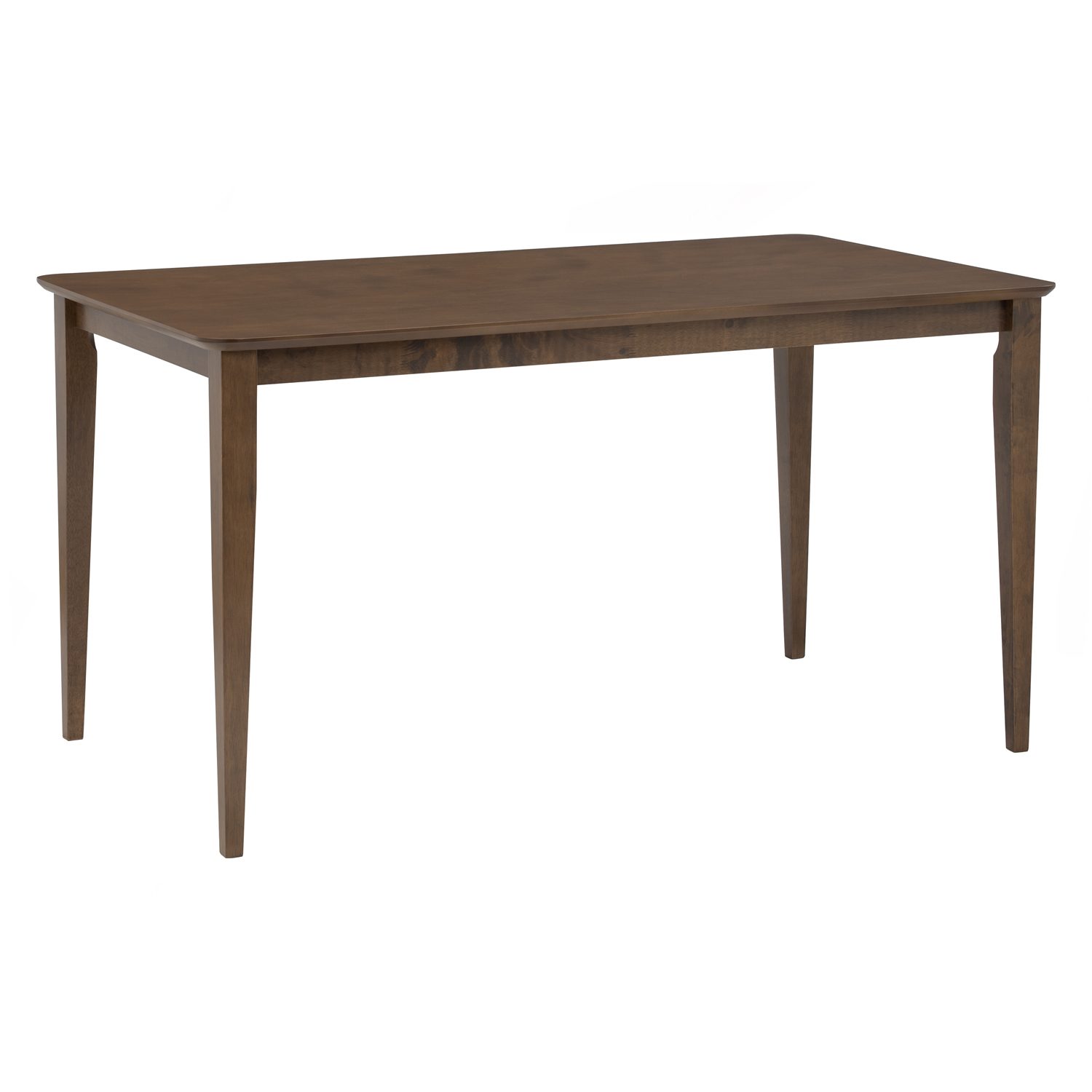
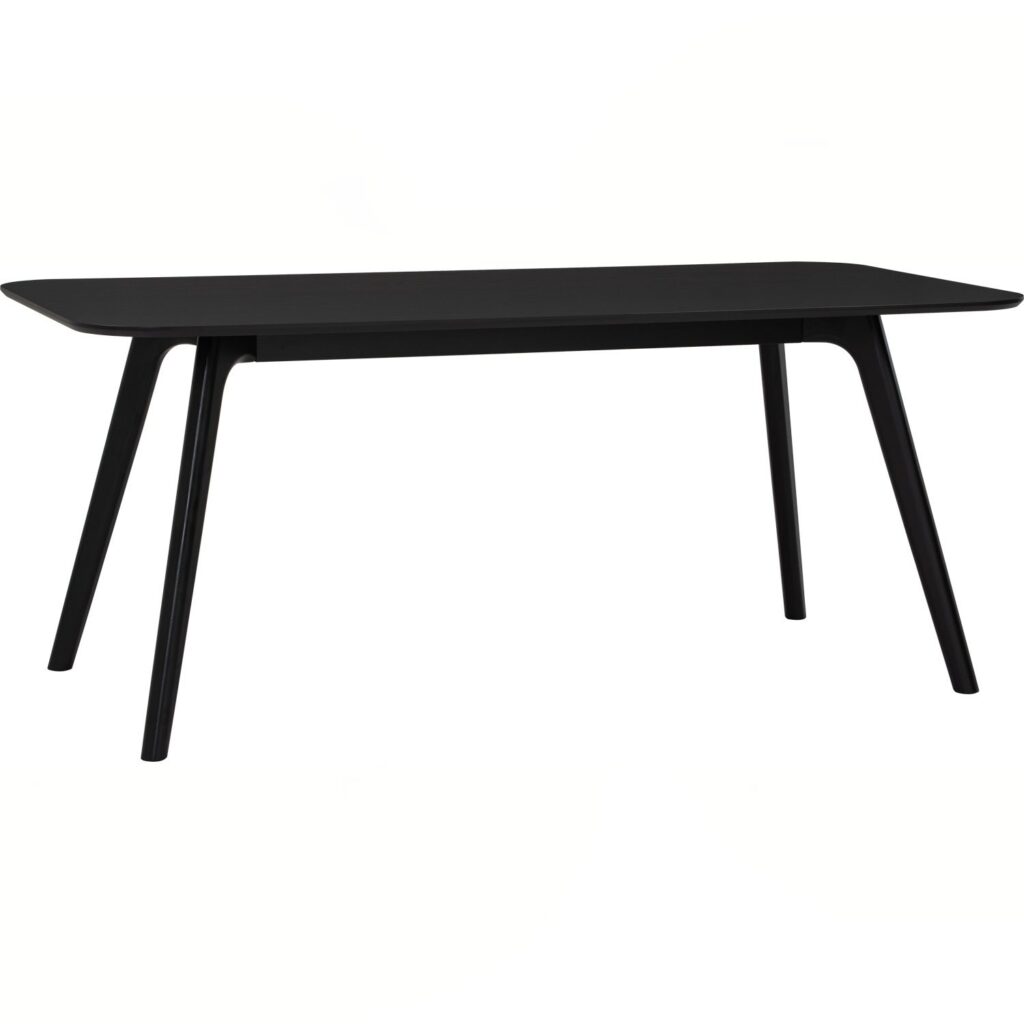
Looking at actual dimensions helps show how a one- or two-centimetre difference fits within the normal range. The Charmant 800X1400 Dining Table measures 74 cm high, while the Roden 900X1800 Dining Table – Black measures 75 cm high. Both are within the common range; compare their height with your chairs rather than assuming all dining tables match exactly.
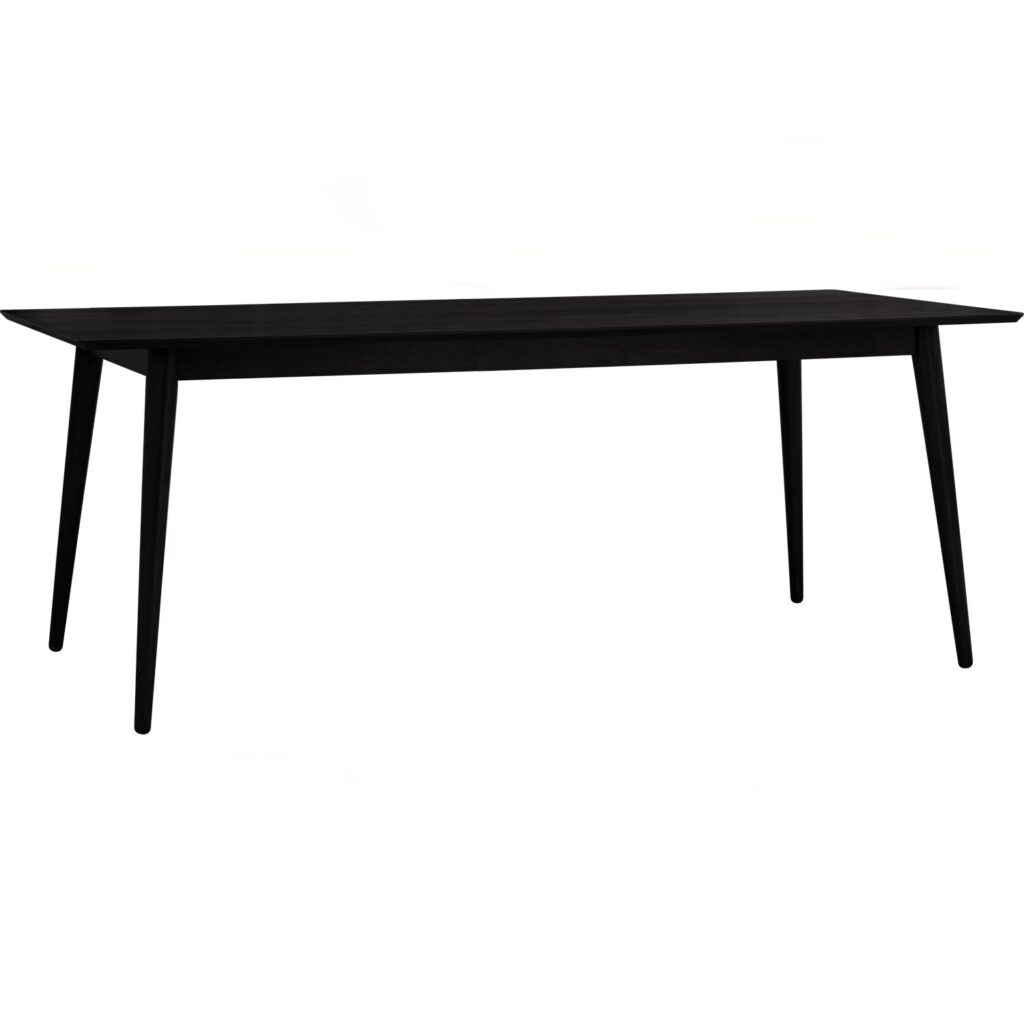
For a slightly taller example, the Dover 1000X2000 Dining Table stands 76 cm high. Its 200 × 100 cm top also makes it important to check the table’s footprint against your room, not just its height. Product measurements are useful for narrowing down options, but they do not replace checking chair fit and clearance at home.
5. Check how the table will work in your room
Once the height suits your seating, consider how the table fits your daily routine. A family may use the surface for meals, homework and other shared activities, while a smaller household may want a table that leaves more open floor space. Height alone does not tell you how easy it will be to move chairs in and out.
Mark the tabletop dimensions on the floor with tape, then allow space around it for chairs to pull back and people to pass. When comparing table options, you can also browse our dining tables by their listed dimensions. If you are deciding on a compact dining arrangement, our dinette table set size guide covers how to think about the overall fit.
Choose the height that fits your setup
- Choose 74–76 cm for a conventional dining setup and the widest choice of standard dining chairs.
- Consider 77–78 cm when your chairs provide a comfortable seat-to-table gap and adequate knee space.
- For a 32-inch-high table, select seating specifically suited to the taller surface.
- If you already own chairs, let their measurements guide your table choice before you compare finishes or shapes.
Browse dining tables at Kedai Perabot and compare their listed heights and dimensions with your chairs and room.
Frequently Asked Questions
How do I measure a dining table height?
Measure from the floor straight up to the top surface of the table. Check the underside separately if you need to confirm knee clearance.
Does tabletop thickness affect legroom?
Yes, a thicker tabletop or an apron beneath it can reduce the space available for your knees. Compare the underside clearance as well as the overall table height.
Do dining chair armrests need to fit under the table?
No, they do not have to fit underneath if you are happy to pull the chairs up to the table without tucking them in. If you want to store chairs under the table, measure the armrest height against the clearance below the tabletop.
Should all chairs at a dining table have the same seat height?
Ideally, yes, so diners sit at a similar level relative to the tabletop. If you mix chair heights, check the seat-to-table gap for each chair.
More articles
 Buying guidesTableware Set: How to Build a Useful Set for Your Home
 Buying guidesSettee Sofa: How to Choose the Right Fit for Your Home
 Buying guidesWood Dining Table: How to Choose the Right One
 Buying guidesArea Rugs: How to Choose the Right Size and Material
 Buying guides2 Door Wardrobe: How to Choose the Right Fit
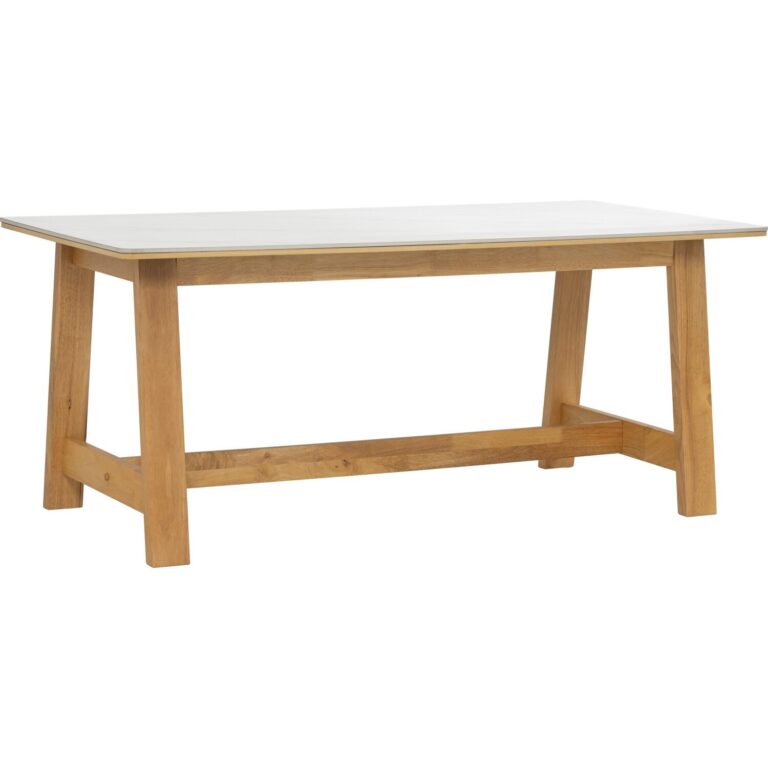 Buying guidesSintered Stone Dining Table: How to Choose One
Related posts

A useful tableware set covers the meals you serve most, with plate sizes and pieces that suit your diners, storage and table. Continue reading
A settee sofa is generally another name for a sofa; compare room fit, seating style and materials before choosing one for your home. Continue reading
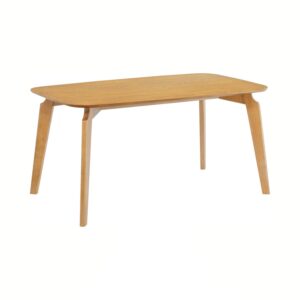
A wood dining table may be solid timber or a veneer-and-board combination; compare construction, size and room clearance before choosing. Continue reading

Area rugs range from compact 60 × 120 cm mats to broad 200 × 300 cm floor coverings; size yours around the furniture zone. Continue reading
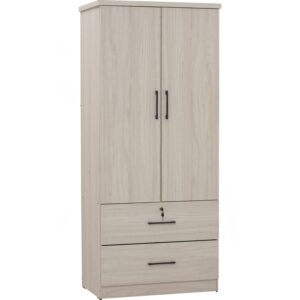
An 80 × 48 × 183 cm 2 door wardrobe is a compact option; compare your room, storage needs and access before choosing a size. Continue reading