No products in the cart.
Marble Dining Tables: How to Choose the Right One
Marble dining tables typically range from a 120 cm round four-seater to a 200 cm rectangular table for up to 8 to 10 people. The right choice depends on your room clearance, daily seating, surface material and whether you need a compact table that expands for guests.
1. Start with the room and dining capacity
Measure the dining zone first, not only the space where the tabletop will sit. Leave roughly 90 cm around the table for pulling out chairs and walking; a tighter 75 cm passage can work in a compact condo if it is not the main route through the room.
| Table size | Typical seating | Imperial equivalent | Practical use |
|---|---|---|---|
| Round Ø120 cm | 4 | About 47 in diameter | Compact dining areas |
| 120–150 × 70 cm | 4–6 | About 3 ft 11 in–4 ft 11 in × 2 ft 4 in | Small homes with occasional guests |
| 160 × 90–95 cm | 6 | About 5 ft 3 in × 3 ft–3 ft 1 in | Everyday family dining |
| 160–200 × 90–100 cm | 6–10 | About 5 ft 3 in–6 ft 7 in × 3 ft–3 ft 3 in | Hosting and larger dining rooms |
These are general planning guidelines. Chair width, leg position and how much serving space you want will change the comfortable number.
Round marble-look tables
A round top removes sharp corners and lets diners face one another easily. The Monora 120 cm round dining table has a glossy Pandora Marble sintered stone top, Walnut veneer and a pedestal base, seating up to four.
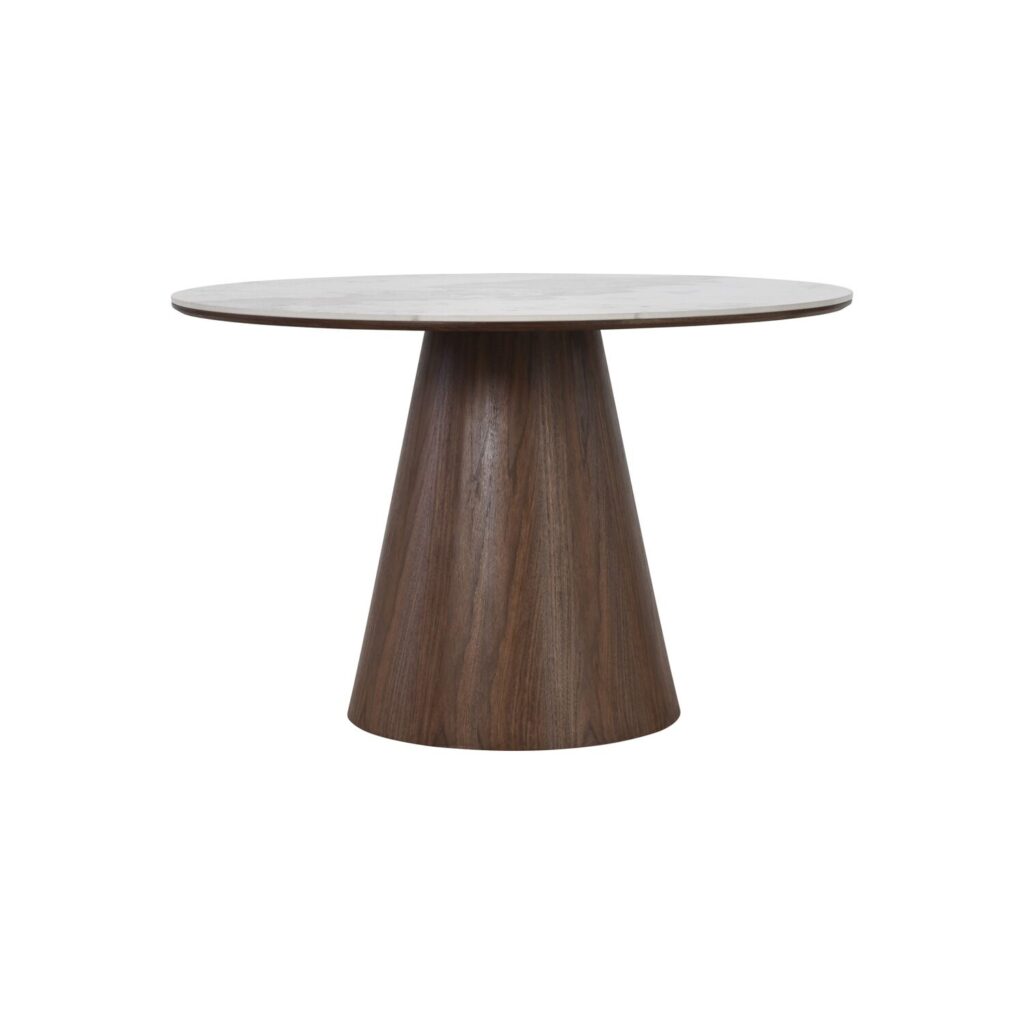
Choose round when your dining area is compact or you want easier conversation without a long rectangular footprint.
Extendable tables
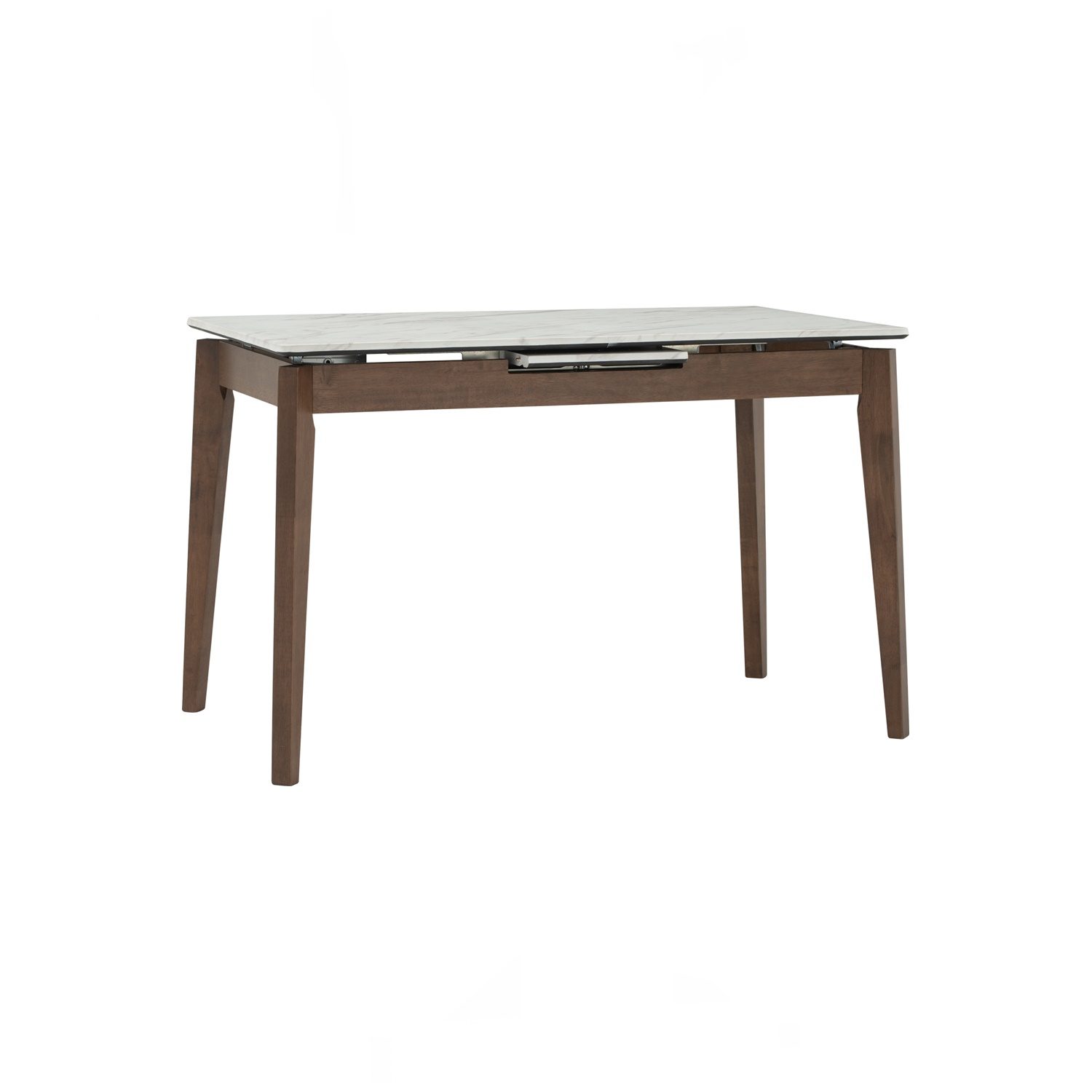
Extension tables preserve floor space on normal days and add seating when guests arrive. The Fortis 150 cm extendable table uses a Marble HPL top, Walnut Veneer leaf and Cocoa Malaysian Oak frame for four to six diners.
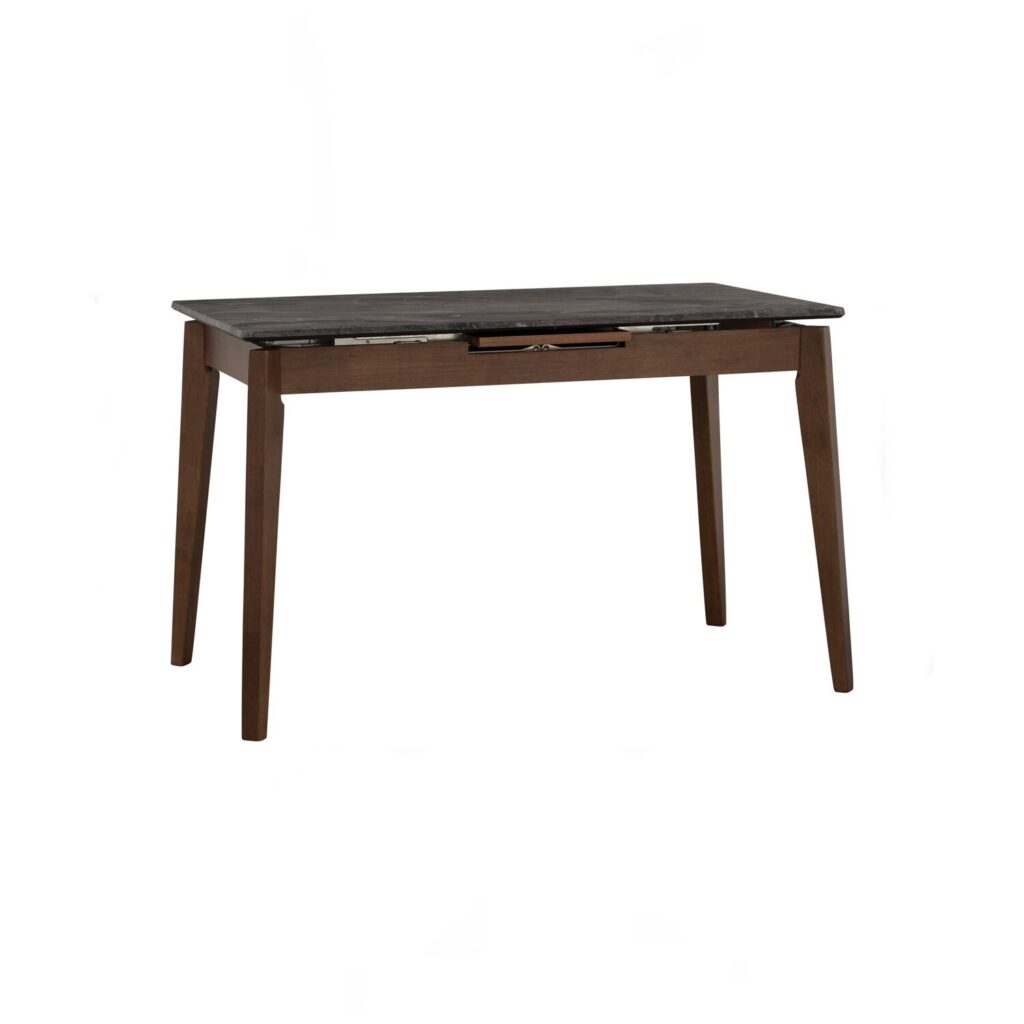
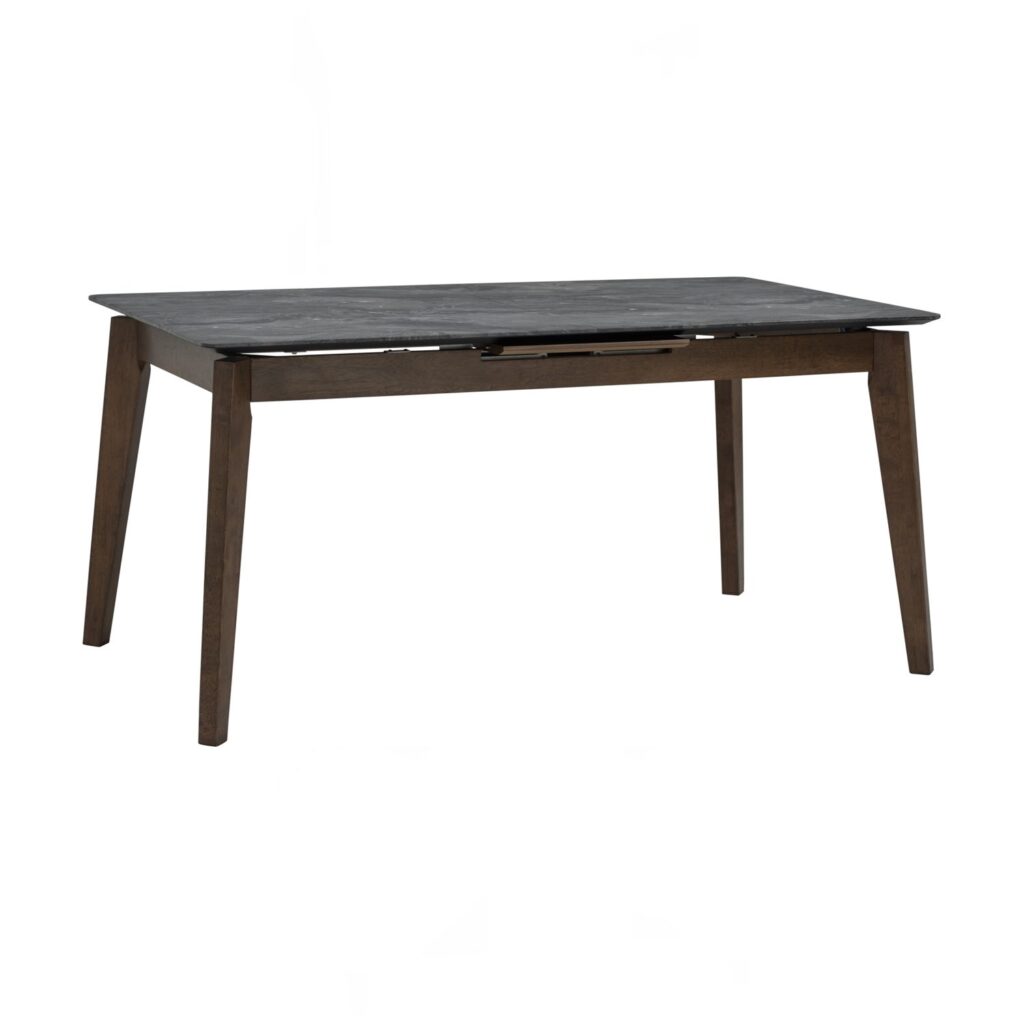
The larger Fortis 160–200 cm extendable table seats six to 10 and combines a Marble HPL top with a Walnut Veneer extension and Cocoa Malaysian Oak legs. It suits households that host regularly but do not want a 200 cm table occupying the room every day.
Fixed rectangular tables
A fixed table gives you a consistent surface and no extension mechanism to operate. Rectangular designs suit longer rooms and work well when the household needs the full seating capacity daily.
2. Understand what “marble” means
Many marble dining tables use a marble appearance rather than a solid natural marble slab. In this range, the options include HPL, melamine MDF, laminated MDF and sintered stone, each giving a different balance of maintenance, weight and appearance.
- HPL: a layered manufactured surface; the Fortis tables specify heat-resistant and scratch-resilient Marble HPL tops.
- Melamine MDF: a practical manufactured board with a marble-look finish, used on the Suave and Netto tables.
- Laminated MDF: used on the Oros table with its Black Marble top.
- Sintered stone: used on the Monora glossy Pandora Marble top.
For a natural-stone appearance with a more practical furniture construction, choose a marble-look surface after checking the stated material rather than assuming every veined top is solid marble.
3. Compare surface performance and daily care
Solid natural marble is porous and can react to acidic spills, so it needs prompt cleaning and sensible use of coasters and mats. Manufactured marble-look surfaces are often easier for daily family use, but the exact care still depends on the listed material.
The Suave 160 × 95 × 76 cm table has a Grey Marble melamine MDF top and Sand Black metal base; its product information describes the surface as resistant to daily scratches and heat. It seats up to six, making it a practical fixed table for everyday meals.
Use a soft cloth for routine cleaning, wipe spills instead of letting them sit, and avoid dragging ceramic or metal items across the surface. Do not treat a heat-resistant surface as heat-proof: trivets remain sensible for hot cookware.
4. Match the base to your chairs and movement
Leg placement affects comfort as much as tabletop size. Corner or tapered legs leave a familiar arrangement for chairs, while a pedestal base gives more freedom around a round top. Check that chair arms can slide under the table and that the base will not interfere with knees.
For a larger room, the Oros 200 × 100 cm dining table pairs a Black Marble laminated MDF top with Cocoa solid Malaysian Oak legs and seats up to eight to 10. Its 80 cm height suits standard dining chairs, but the substantial footprint needs generous clearance.
5. Marble or granite: which is better?
Neither is automatically better. Granite is generally harder and less prone to scratching, while marble offers distinctive veining but is more vulnerable to staining and etching from acidic foods. For a home that prioritises low-fuss daily use, a properly specified granite or engineered surface is usually the more practical stone choice; choose marble for its appearance when you are comfortable with careful maintenance.
For many Malaysian households, a marble-look HPL, melamine or sintered stone table provides the visual style without the upkeep associated with untreated natural marble. Compare the stated construction, not only the colour name.
6. Check thickness, delivery access and final fit
There is no single universal dining-table thickness. Many dining tops fall around 2.5–4 cm, but the visible edge can include a thicker apron or supporting frame. For online ordering, use the product’s listed dimensions and measure doorways, lift access and the route into the dining area.
Before ordering, confirm the closed and extended lengths, overall height, top material, base material and chair clearance. Our extendable dining table size guide explains how to plan seating and clearance around an extending design.
Which marble dining table should you choose?
- Choose a 120 cm round sintered-stone table for four people in a compact dining area.
- Pick a 120–150 cm extendable HPL table when space is limited but guests visit occasionally.
- Select a 160 cm fixed marble-look table for six-person everyday dining.
- Use a 160–200 cm extension table when hosting matters more than keeping the daily footprint small.
Browse our dining tables or extendable tables and sets at Kedai Perabot, and enquire if you need help comparing dimensions and materials.
Frequently Asked Questions
Is natural marble suitable for daily family dining?
Yes, natural marble can suit daily dining, but it needs prompt spill cleaning and protection from acidic foods because it can stain or etch.
Are marble-look tables made from real marble?
No, many marble-look tables use HPL, melamine MDF, laminated MDF or sintered stone rather than a solid marble slab.
What size table is suitable for six diners?
A 160 cm rectangular table is a common choice for six diners, provided the room allows comfortable chair and walking clearance.
Does a pedestal base give more legroom?
Yes, a pedestal base can give more flexible leg placement than corner legs, although the pedestal’s shape still determines knee clearance.
Should I use placemats on a marble-look tabletop?
Yes, placemats and coasters help reduce scratches, heat marks and spill exposure even on manufactured marble-look surfaces.
More articles
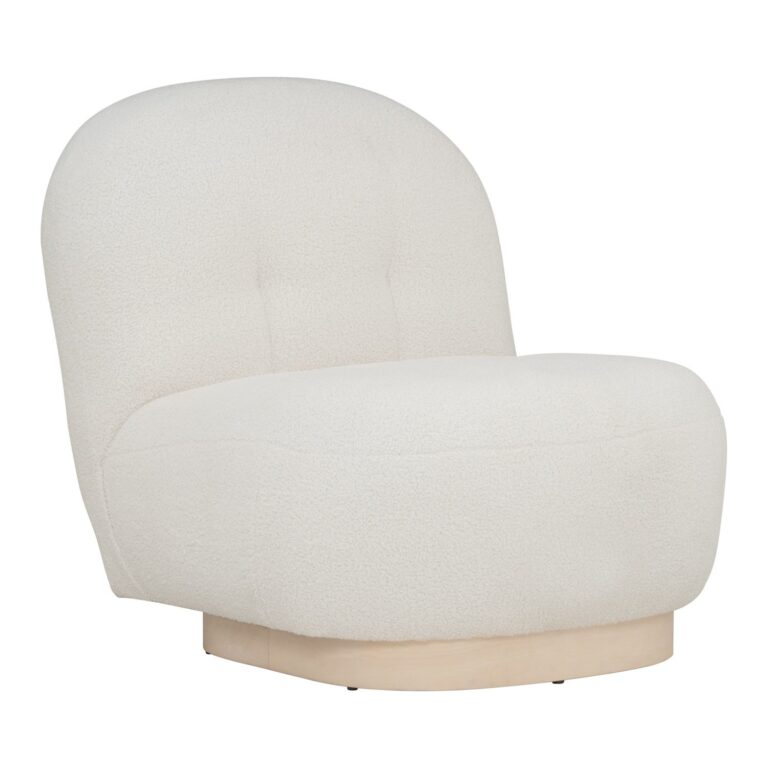 Buying guidesChairs and Ottomans: How to Choose for Each Room
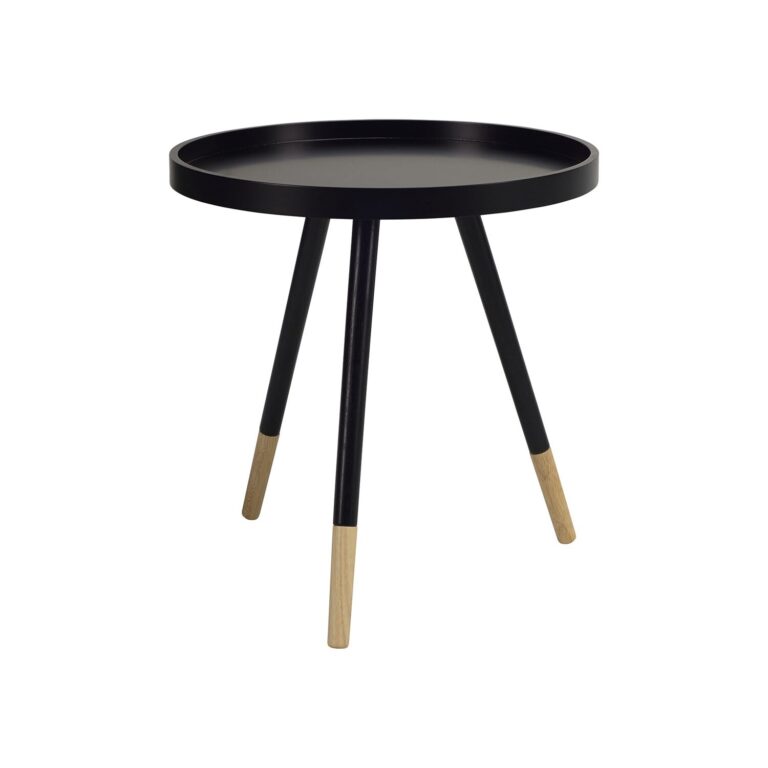 Buying guidesNight Side Table: How to Choose the Right Size and Style
 Buying guidesTrash Cabinet: How to Choose the Right Kitchen Bin Storage
 Buying guidesSofa Bed Couch: How to Choose One for Your Home
 Buying guidesChesterfield Sofa: How to Choose One for Your Home
 Buying guidesBar Chair Height: How to Choose the Right Seat Size
Related posts

Chairs and ottomans work differently: compare their roles, dimensions and materials before furnishing your dining, living or compact home. Continue reading
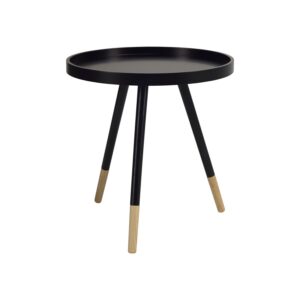
A night side table should sit close to mattress height, fit your essentials and leave a clear walkway around the bed. Continue reading
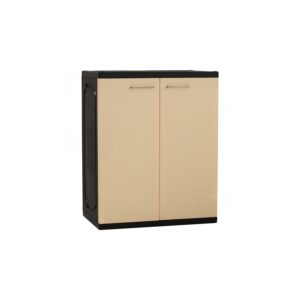
A trash cabinet hides bins, controls odours and keeps a compact kitchen easier to clean. Choose the right size, material and layout. Continue reading
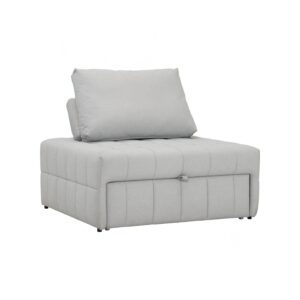
A sofa bed couch saves space by combining everyday seating with an occasional sleeping place. Compare size, fabric and comfort. Continue reading

A chesterfield sofa is defined by deep button tufting, rolled arms and a substantial silhouette. Here is how to choose one. Continue reading