
No products in the cart.
Area Rugs: How to Choose the Right Size and Material
Area rugs commonly range from 60 × 120 cm (2 × 4 ft) to 200 × 300 cm (about 6.5 × 10 ft), depending on the space they need to define. Choosing the right footprint helps your furniture look connected without crowding a condo living room, bedroom or dining area.
Start with the furniture arrangement rather than the rug label: a rug should support the zone you use, leave comfortable paths around it and suit the way you live.
1. Choose a size for the furniture zone
Measure the area you want to anchor, then compare it with common rug footprints. The sizes below are general guidance; actual dimensions can vary, so use the listed measurements when comparing a particular rug.
| Common footprint | Approximate imperial size | Often used for |
|---|---|---|
| 60 × 120 cm | 2 × 4 ft | Bedside spaces, entry points and narrow areas |
| 160 × 230 cm | 5.25 × 7.5 ft | A compact seating group or bedroom zone |
| 170 × 240 cm | About 5.5 × 8 ft | A larger seating group or open-plan zone |
| 200 × 300 cm | About 6.5 × 10 ft | A broad living, dining or bedroom arrangement |
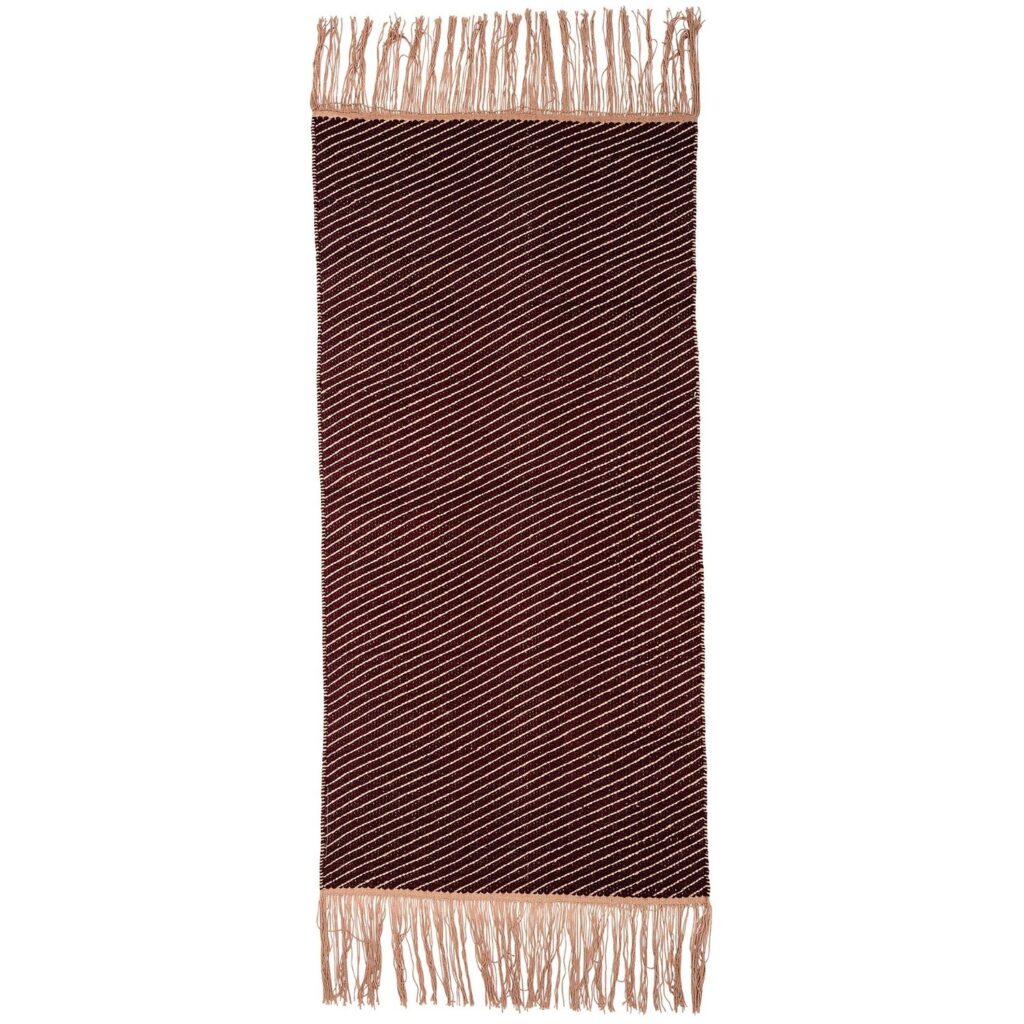
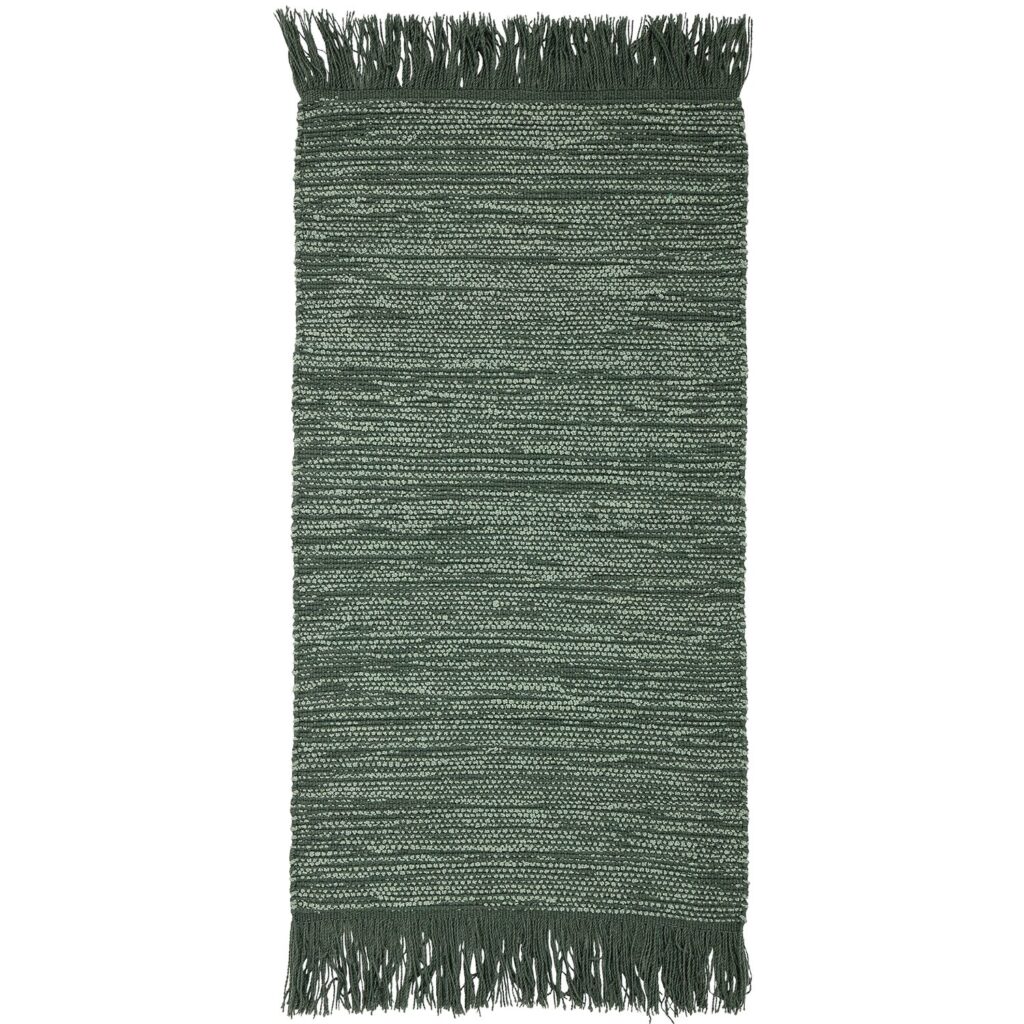
For a smaller corner or bedside, a 60 × 120 cm rug adds a defined layer without covering much floor. The Alboran rug measures 120 × 60 cm and is made from cotton and fibre; the Laptev rug has the same footprint in wool and cotton. For a wider living area, the Route rug measures 292 × 197.5 cm, close to the broad footprint in the table.
2. Decide how the rug will meet the furniture
In a living room, a rug that reaches under the front legs of the sofa and chairs usually makes the seating group read as one area. If it sits only under the coffee table, check that it still looks intentional alongside the sofa rather than like a small mat floating in the middle.
In a bedroom, place the rug where it gives you a comfortable step beside the bed; the right position depends on the bed and available floor space. For a dining setting, allow enough room for chairs to move back while remaining on the rug. Measure the pulled-out chair footprint, not just the table, before settling on a size.
In an open-plan condo, a rug can mark the living zone without a physical divider. Keep the edges clear of the main walking route so the floor covering does not interrupt how people move through the room.
Wool and mixed-fibre rugs
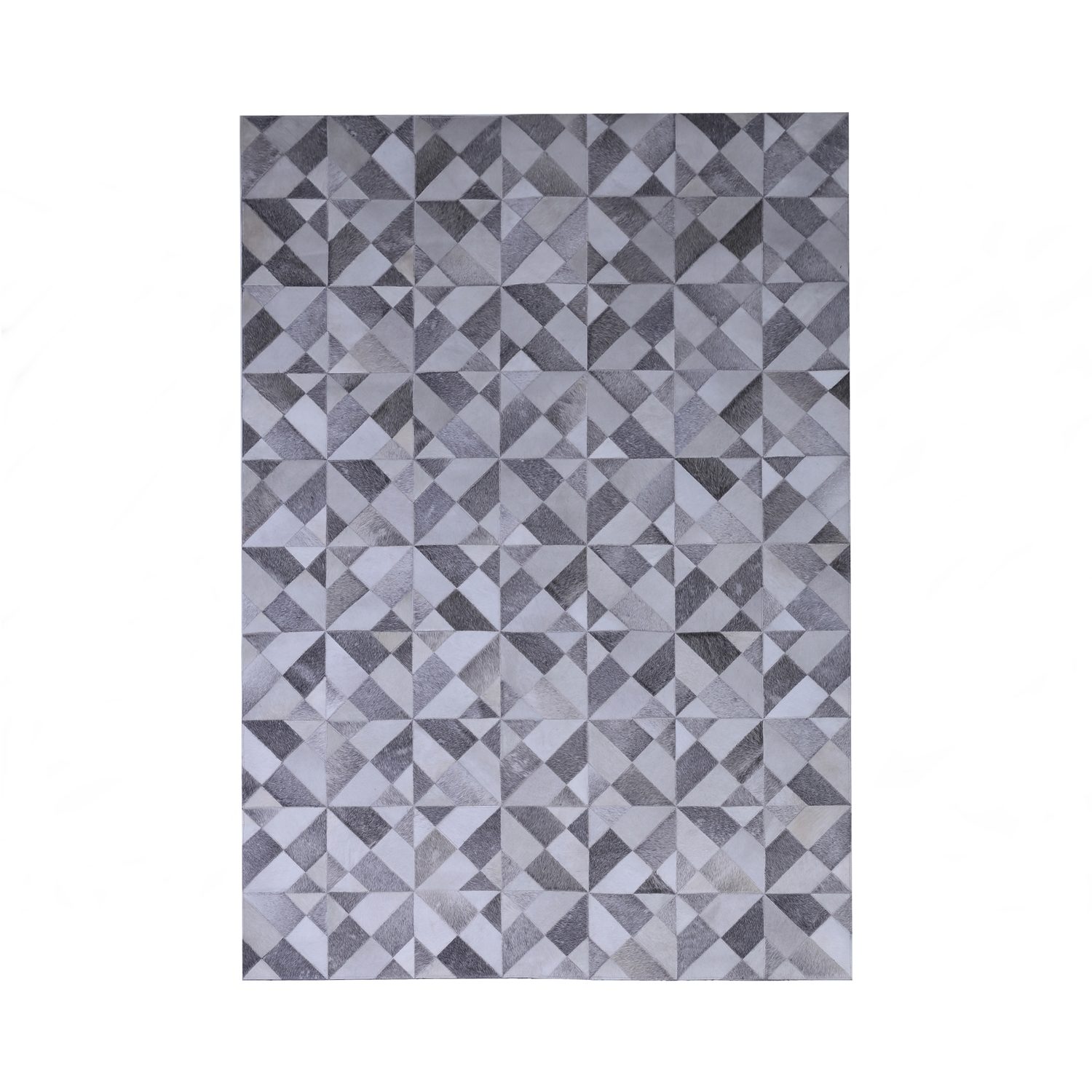
Wool blends provide a textile surface and a different underfoot feel from leather. The Vigur rug measures 170 × 240 cm and combines wool with polyester in grey-brown. Its dimensions suit buyers who want a substantial floor layer for a seating, bedroom or home-office zone.
Leather rugs
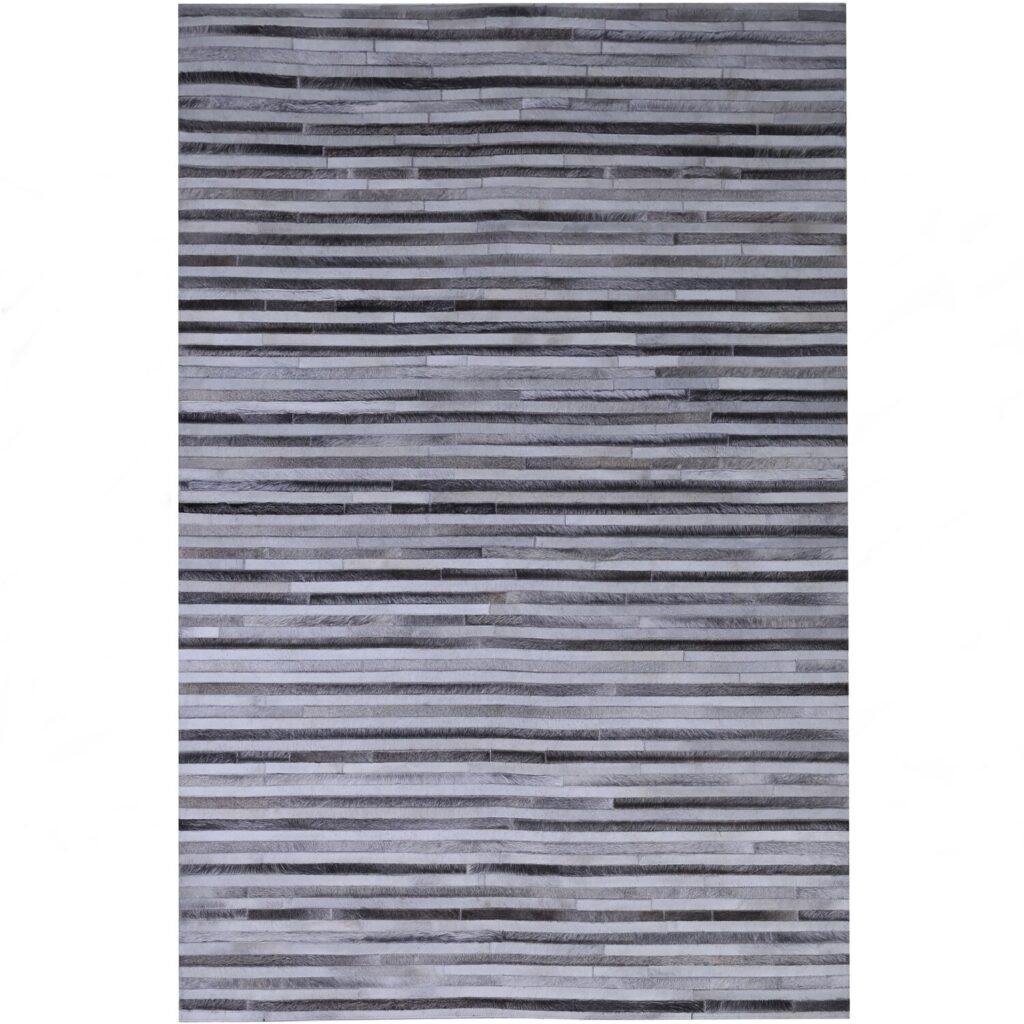
Leather gives the floor a more structured surface than a textile rug. The Krystal rug is made from 100% leather and measures 239 × 168 cm, a useful middle footprint for a defined furniture area. Check the exact surface and dimensions against your room before choosing it.
Cotton and fibre rugs
A compact cotton-and-fibre rug works where you want a smaller textile layer, such as beside a bed or along a short hallway. Its lighter visual footprint can be easier to place around existing furniture than a room-sized rug.
3. Settle on colour and pattern
Choose the rug as part of the room’s existing palette. A neutral tone can sit quietly beneath patterned cushions or upholstery, while a coloured or patterned rug can add a focal point when the larger furniture pieces are plain.
Think about the visible floor around the rug as well. In a small room, a strong contrast between rug and flooring makes the boundary more noticeable; a closer colour relationship can help the arrangement feel less divided. Bring together the rug colour, sofa fabric and floor tone when comparing options online.
4. Check the footprint at home before ordering
Use masking tape or paper to mark the rug’s length and width on the floor. Then place the sofa, chairs or bed in their usual positions and check that the outline leaves the walking space you need. This is especially helpful when furniture is close to a wall, balcony door or kitchen route.
Check measurements in centimetres rather than relying only on a size name such as “2m × 3m”: a product’s actual length and width may not match those rounded labels exactly. Also consider the rug’s weight if you expect to move it often; for example, the listed weight of the 292 × 197.5 cm Route rug is 13 kg. We list dimensions and materials on each product page so you can compare the details with your measured space.
Area rugs: a quick recommendation
- Choose 60 × 120 cm for a bedside spot, entry point or narrow strip of floor.
- Choose around 160 × 230 cm for a compact seating group or bedroom zone.
- Consider 170 × 240 cm when your furniture arrangement needs more coverage than a compact rug offers.
- Use around 200 × 300 cm for a broad furniture zone, provided the room still has clear paths around it.
Browse rugs at Kedai Perabot and compare each option’s dimensions and materials with your room.
Frequently Asked Questions
Can I put an area rug over carpet?
Yes, an area rug can be layered over carpet, particularly when the carpet is low-pile and the rug lies flat. Check that the edges stay in place and do not curl underfoot.
How much space should I leave between a rug and the wall?
About 20–45 cm of exposed floor around a rug is a useful starting point in many rooms. Adjust the border to the room size and furniture layout rather than forcing the same gap on every side.
Do I need a rug pad?
A rug pad can help reduce slipping and bunching, especially on smooth floors. Choose one intended for your floor type and rug, and check that it does not show beyond the edges.
Should an area rug match my sofa?
No, the rug does not need to match the sofa exactly. Choose colours that relate to the sofa, floor or other room accents so the pieces feel connected without becoming identical.
How large should a rug be under a dining table?
Choose a rug that keeps the dining chairs on its surface when they are pulled back for sitting. Measure the table with the chairs in that position to check the needed footprint.
More articles
 Buying guidesTableware Set: How to Build a Useful Set for Your Home
 Buying guidesSettee Sofa: How to Choose the Right Fit for Your Home
 Buying guidesWood Dining Table: How to Choose the Right One
 Buying guides2 Door Wardrobe: How to Choose the Right Fit
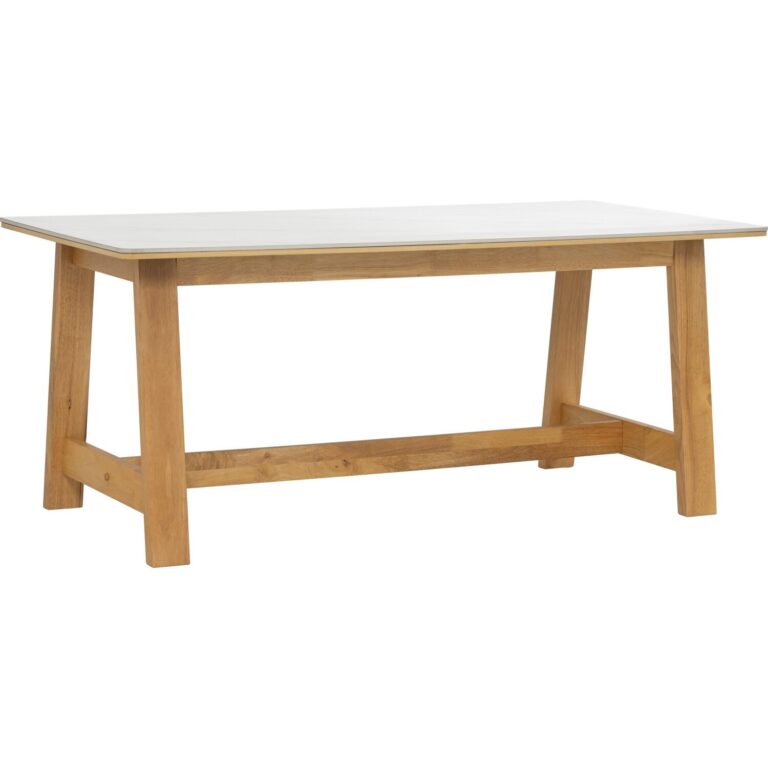 Buying guidesSintered Stone Dining Table: How to Choose One
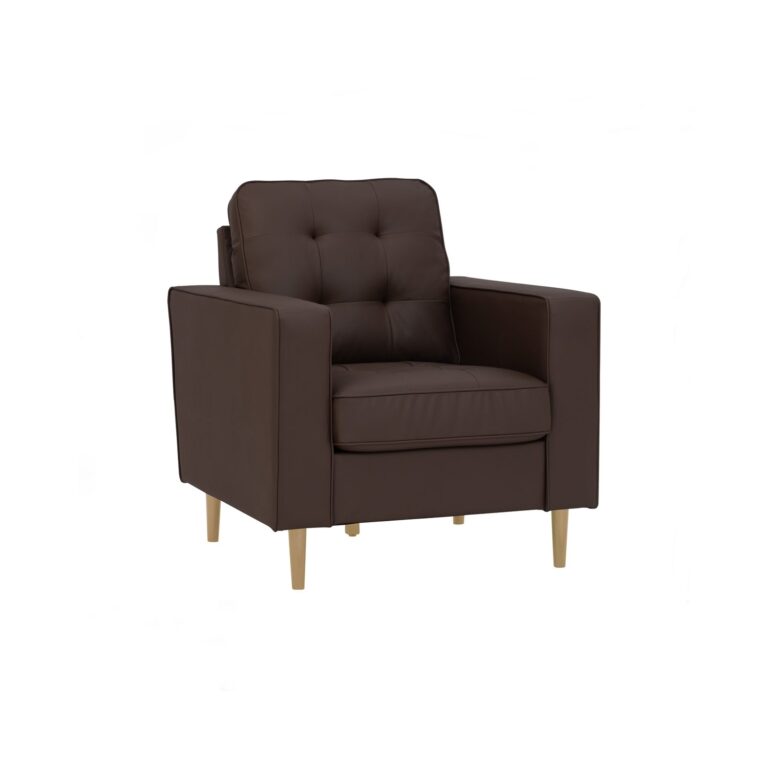 Buying guidesSingle Seat Sofa: How to Choose the Right Fit
Related posts

A useful tableware set covers the meals you serve most, with plate sizes and pieces that suit your diners, storage and table. Continue reading
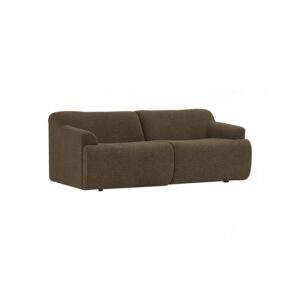
A settee sofa is generally another name for a sofa; compare room fit, seating style and materials before choosing one for your home. Continue reading
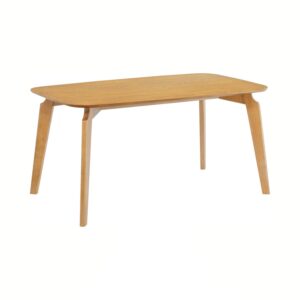
A wood dining table may be solid timber or a veneer-and-board combination; compare construction, size and room clearance before choosing. Continue reading
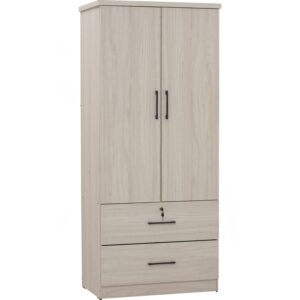
An 80 × 48 × 183 cm 2 door wardrobe is a compact option; compare your room, storage needs and access before choosing a size. Continue reading
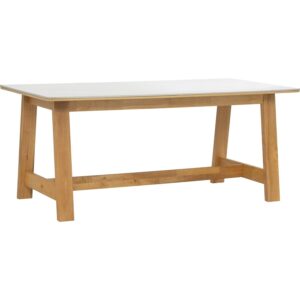
A sintered stone dining table combines a manufactured stone surface with a dining base; choose its shape and size to suit your room and routine. Continue reading