No products in the cart.
Trash Cabinet: How to Choose the Right Kitchen Bin Storage
A trash cabinet is most useful when it fits your bin, leaves enough working clearance and gives waste a contained place in the kitchen. Choosing carefully helps a small Malaysian kitchen look tidier without sacrificing easy access, cleaning time or storage space.
Before ordering, measure the bin itself rather than relying only on the cabinet’s outside dimensions. A cabinet that looks compact online can still be awkward if the lid, liner or swing door cannot open fully.
1. Start with the bin you already use
The cabinet should be chosen around the rubbish bin, recycling containers and cleaning routine you have now. Measure the bin’s width, depth and height, including its lid and handles, then add room to lift the liner out without scraping the cabinet sides.
For a pull-out arrangement, allow the door and internal container to travel forward. If the cabinet simply hides a freestanding bin, front access and a removable liner are more important than a tall interior.
| Bin arrangement | Typical household need | What to check |
|---|---|---|
| One general-waste bin | Small kitchen or rental unit | Enough width to remove the liner easily |
| General waste plus recycling | Family kitchen or landed home | Separate containers and clear labelling |
| Waste, recycling and food scraps | Frequent cooking | Odour control, washable surfaces and quick access |
2. Choose the cabinet position before the style
Place the trash cabinet where waste is produced, but not where it blocks the main walkway. Under a worktop, beside the sink or near the back door usually reduces carrying distance; beside a dining area can be convenient but needs a cleaner appearance.
Measure the available width, depth and height with doors, skirting boards and nearby appliances included. Leave practical standing space in front so you can open the cabinet while holding a plate or rubbish bag.
- Under-counter: convenient for food preparation, provided the height matches the worktop.
- Freestanding: easier to reposition in a rental or changing kitchen layout.
- Tall storage: useful only when the vertical space does not interfere with upper doors, windows or ventilation.
Enclosed doors
Enclosed doors keep the bin out of sight and make the kitchen look calmer. They suit open-plan apartments, homes where guests use the kitchen and households that want a clear visual separation between cooking and waste.
Open or pull-out access
Open access is faster when you cook often or sort rubbish throughout the day. It also makes the bin easier to monitor, although the contents remain visible and odours are less contained.
For most homes, choose enclosed access when presentation matters and faster open access when convenience during meal preparation matters more.
3. Match the material to moisture and cleaning
A kitchen trash cabinet needs surfaces that tolerate splashes, damp hands and regular wiping. Laminated board is a practical furniture material when spills are cleaned promptly; PVC is useful where easy wipe-down maintenance is a priority. MDF can give a smooth painted finish, but exposed edges should not be left wet.
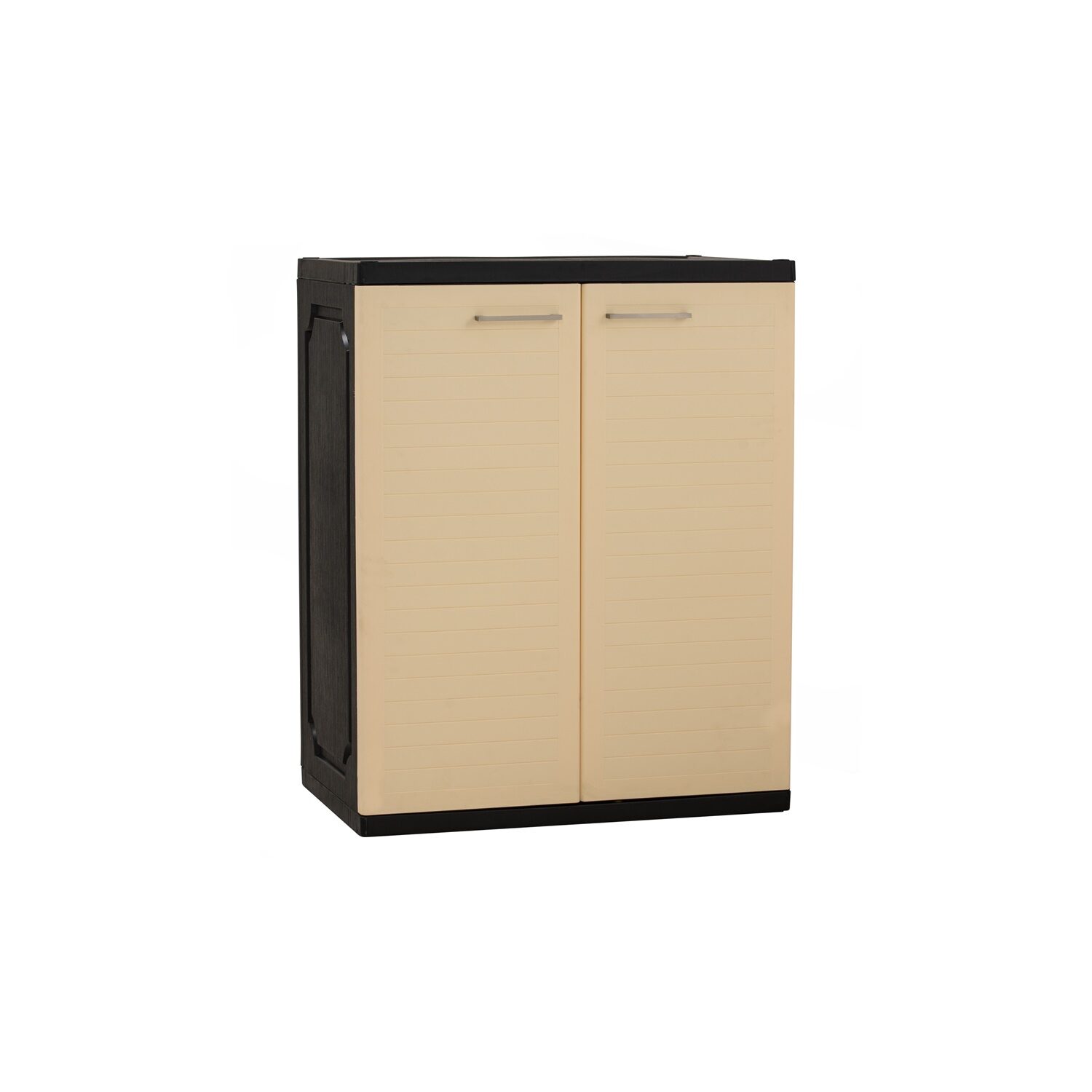
Our Optimus Shoe Cabinet illustrates the type of PVC construction that is straightforward to wipe, although its intended use is footwear rather than waste. Do not repurpose a cabinet unless its dimensions, ventilation and interior layout genuinely suit your bin.
- Check whether the base can be wiped without catching on exposed edges.
- Use a removable tray or mat beneath the bin to contain leaks.
- Avoid storing wet waste directly against laminated board or MDF.
4. Plan odour and ventilation control
A closed cabinet hides the bin but does not remove odour. Food scraps should go into a tied liner, and the bin should be emptied before liquids or organic waste sit for too long. Ventilation openings can help moisture escape, but they also reduce how fully the cabinet contains smells.
Keep the waste cabinet away from heat-producing appliances and provide enough clearance to clean behind it. A separate small container for food scraps can reduce the time that wet waste remains in the main bin.
5. Keep recycling practical
If your household separates paper, plastic, glass or metal, a single hidden bin may create more work rather than less. Measure each container and decide whether the cabinet will hold all of them or only general waste, with recycling kept in clearly labelled containers nearby.
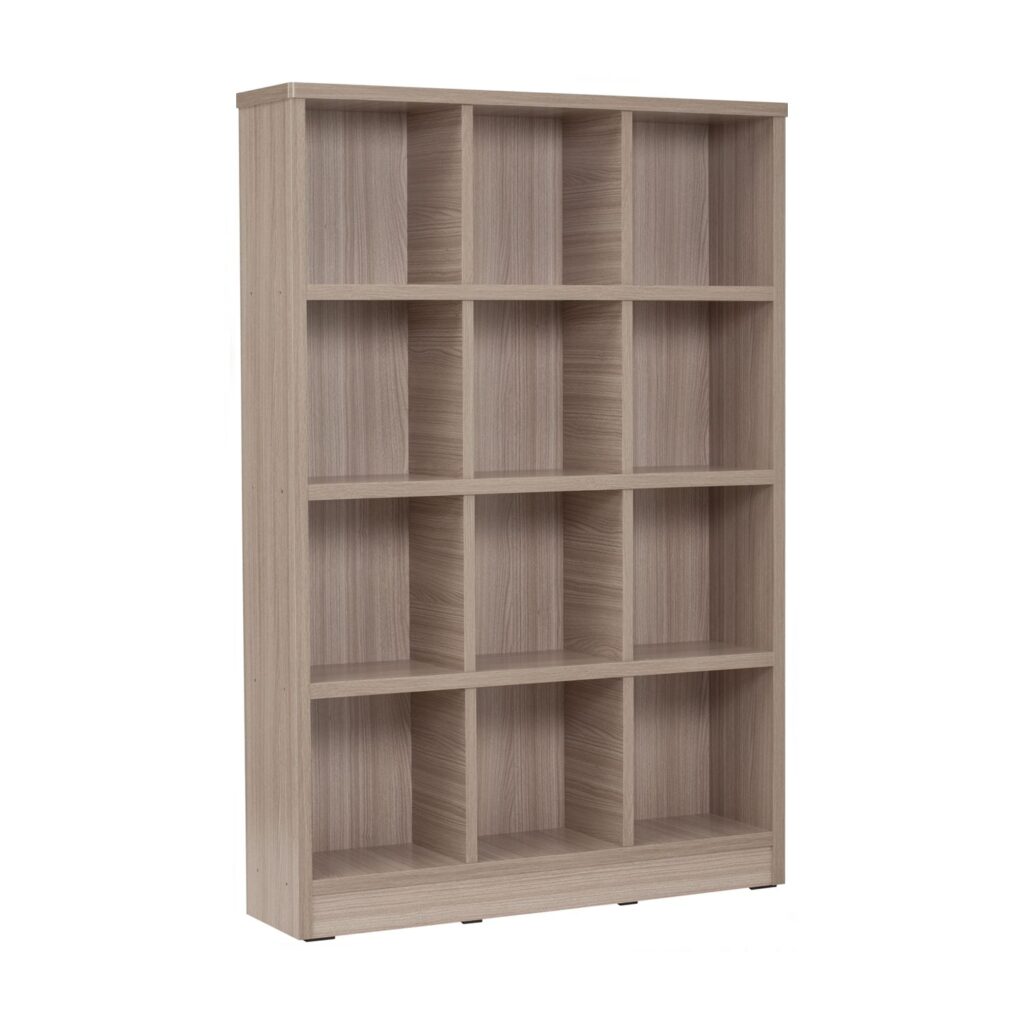
Vertical storage can save floor area, but it is only helpful when every compartment remains easy to reach. Our Havir 12 Compartment File Cabinet demonstrates how compartments organise items vertically, but it is designed for files and should not be used for damp waste.
6. Check assembly, access and long-term use
Flat-packed furniture is useful for apartment access, but confirm that the finished cabinet can pass through your lift, doorway and kitchen route. Assembly instructions should be followed carefully, especially for doors that need to open squarely and remain aligned.
We list real dimensions and materials on each product page, so compare those details with your measured space before ordering. For other enclosed hallway storage ideas, browse our shoe cabinet range; for a home office that also needs organised paperwork, see our file cabinet range.
Trash cabinet choices in brief
- Choose a compact enclosed cabinet for a rental kitchen where appearance and flexibility matter.
- Use a pull-out or open arrangement when cooking frequency makes speed more valuable than concealment.
- Choose wipeable PVC or a protected laminated surface for homes with frequent spills.
- Use separate containers when recycling is part of your daily routine.
Browse our storage cabinet range and compare the listed dimensions and materials, or enquire with Kedai Perabot if you need help checking a cabinet against your space.
Frequently Asked Questions
Can a shoe cabinet be used as a trash cabinet?
No, not automatically. A shoe cabinet may have a suitable enclosed shape, but its ventilation, internal compartments, base and moisture resistance must suit waste storage before you repurpose it.
How much clearance should I leave in front of a trash cabinet?
About 90 cm is a practical target for comfortable standing and door operation. Less space can work in a tight kitchen if the door opens without blocking an appliance or walkway.
Should recycling go inside the trash cabinet?
Yes, if each container remains easy to remove and clean. Otherwise, keep recycling beside the cabinet in labelled bins rather than creating a difficult stacked arrangement.
Does a closed trash cabinet stop bad smells?
No, it mainly hides the bin and limits visibility. Sealed liners, frequent emptying, cleaning and sensible ventilation control odour more effectively.
Is laminated board suitable for kitchen waste storage?
Yes, when spills are wiped promptly and the bin sits on a removable protective tray. Do not leave wet waste or leaking liners directly against the board.
More articles
 Buying guidesDinette Table Set: How to Choose the Right Size
 Buying guidesChairs and Ottomans: How to Choose for Each Room
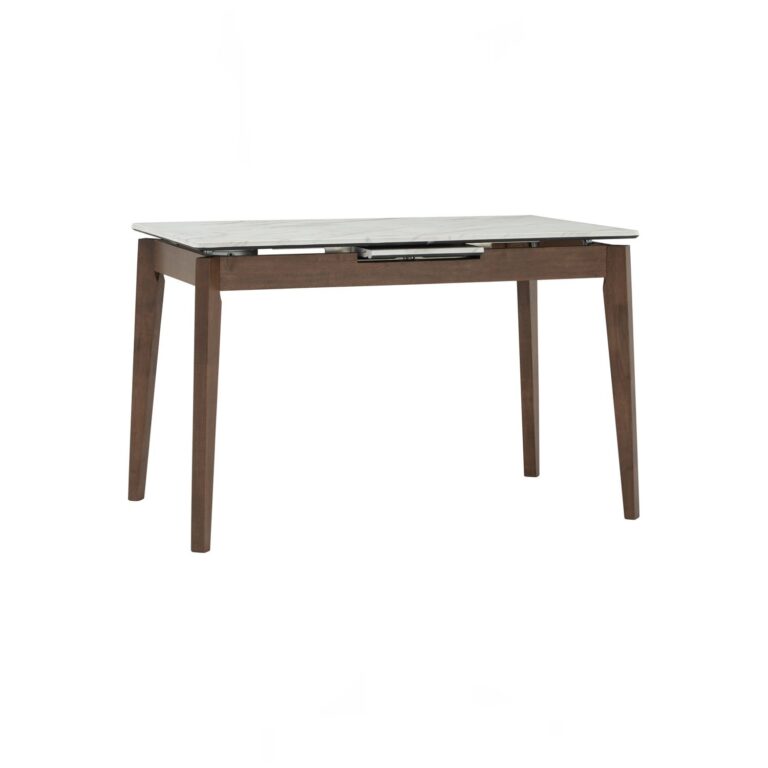 Buying guidesMarble Dining Tables: How to Choose the Right One
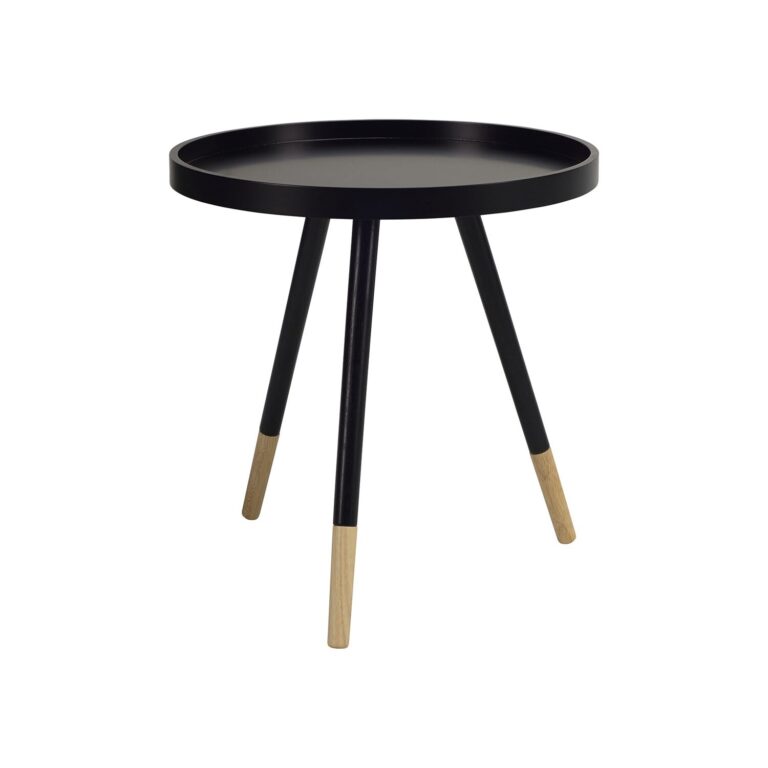 Buying guidesNight Side Table: How to Choose the Right Size and Style
 Buying guidesSofa Bed Couch: How to Choose One for Your Home
 Buying guidesChesterfield Sofa: How to Choose One for Your Home
Related posts
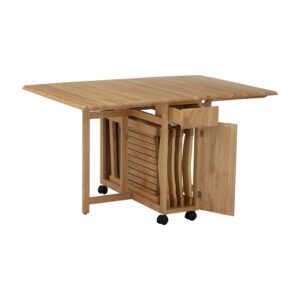
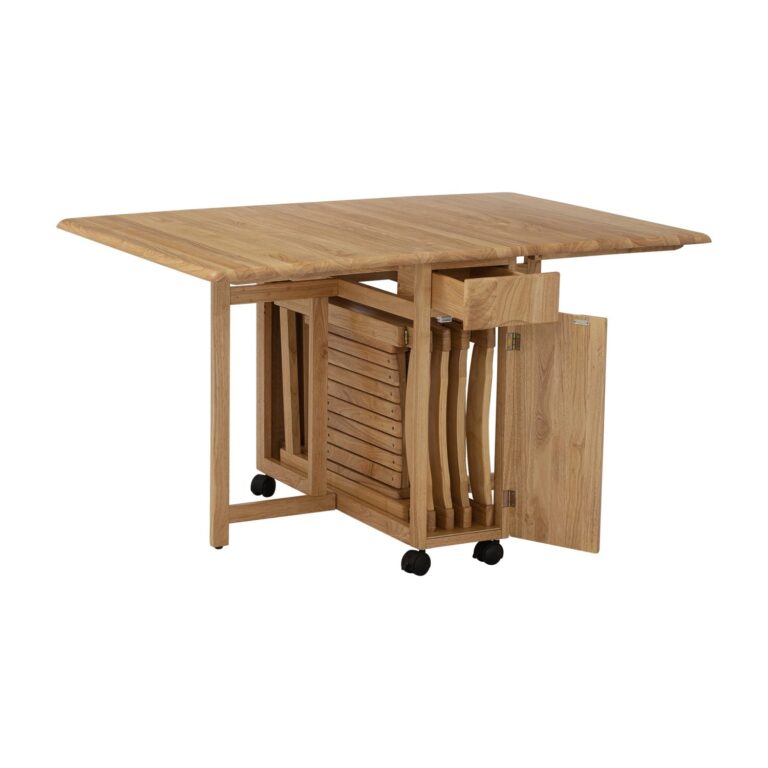
A dinette table set gives you a compact dining area; compare sizes, seating, materials and assembly before ordering online. Continue reading

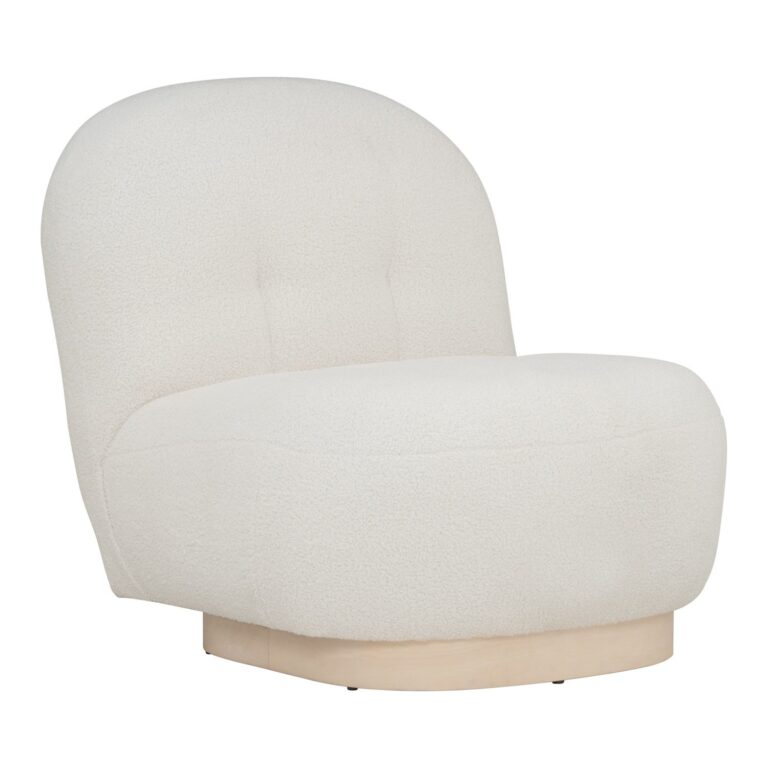
Chairs and ottomans work differently: compare their roles, dimensions and materials before furnishing your dining, living or compact home. Continue reading
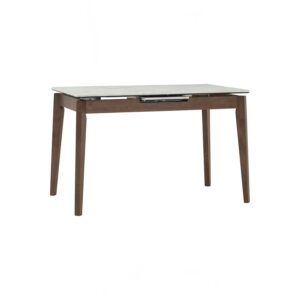
Marble dining tables range from compact 120 cm rounds to 200 cm extensions, so choose by room clearance, surface and seating. Continue reading
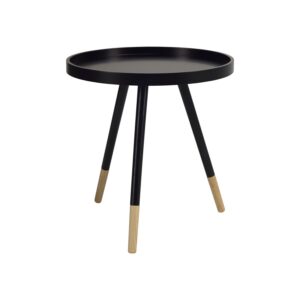
A night side table should sit close to mattress height, fit your essentials and leave a clear walkway around the bed. Continue reading
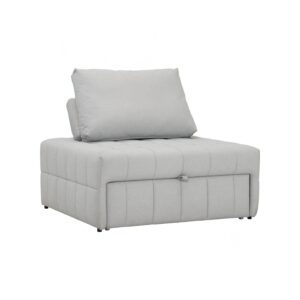
A sofa bed couch saves space by combining everyday seating with an occasional sleeping place. Compare size, fabric and comfort. Continue reading