No products in the cart.
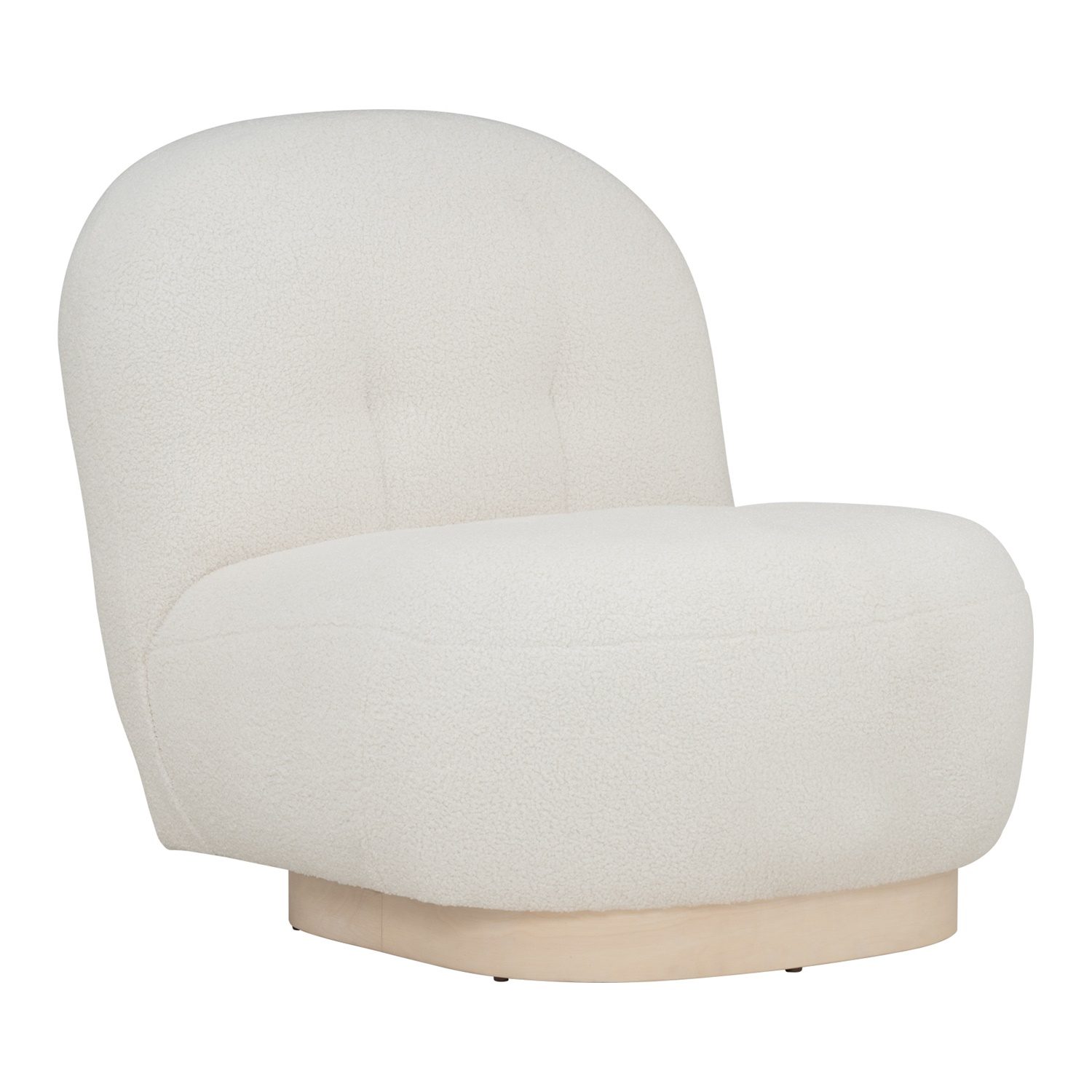
Chairs and Ottomans: How to Choose for Each Room
Chairs and ottomans serve different purposes: a chair provides supported seating, while an ottoman is usually a footrest, occasional seat or accent piece. Choosing the right combination affects walking space, comfort, cleaning and how easily your furniture works in a Malaysian condo or family home.
1. Decide what the seat needs to do
Start with the activity rather than the appearance. Dining chairs need a practical seat height and a backrest for meals; lounge chairs prioritise relaxed posture; bar chairs are raised for counters; ottomans add flexible support without a full chair back.
An ottoman in furniture is a low upholstered or cushioned piece without a backrest or arms. You can sit on an ottoman when its construction and height suit occasional seating, but it should not automatically replace a dining or work chair.
| Furniture type | Typical use | Useful planning point |
|---|---|---|
| Dining chair | Meals, study or extra seating | Allow roughly 60 cm of table edge per person |
| Lounge chair | Reading and relaxation | Plan clearance around its full width and depth |
| Bar chair | Kitchen counters and home bars | Match the seat height to the counter |
| Ottoman | Footrest, occasional seat or accent | Keep it movable if the room has several uses |
2. Match the seat height to the table or counter
For everyday dining, a seat around 44 to 49 cm high generally works with a standard dining table around 74 to 76 cm high. Leave enough space for knees and avoid chairs whose arms cannot slide beneath the tabletop.
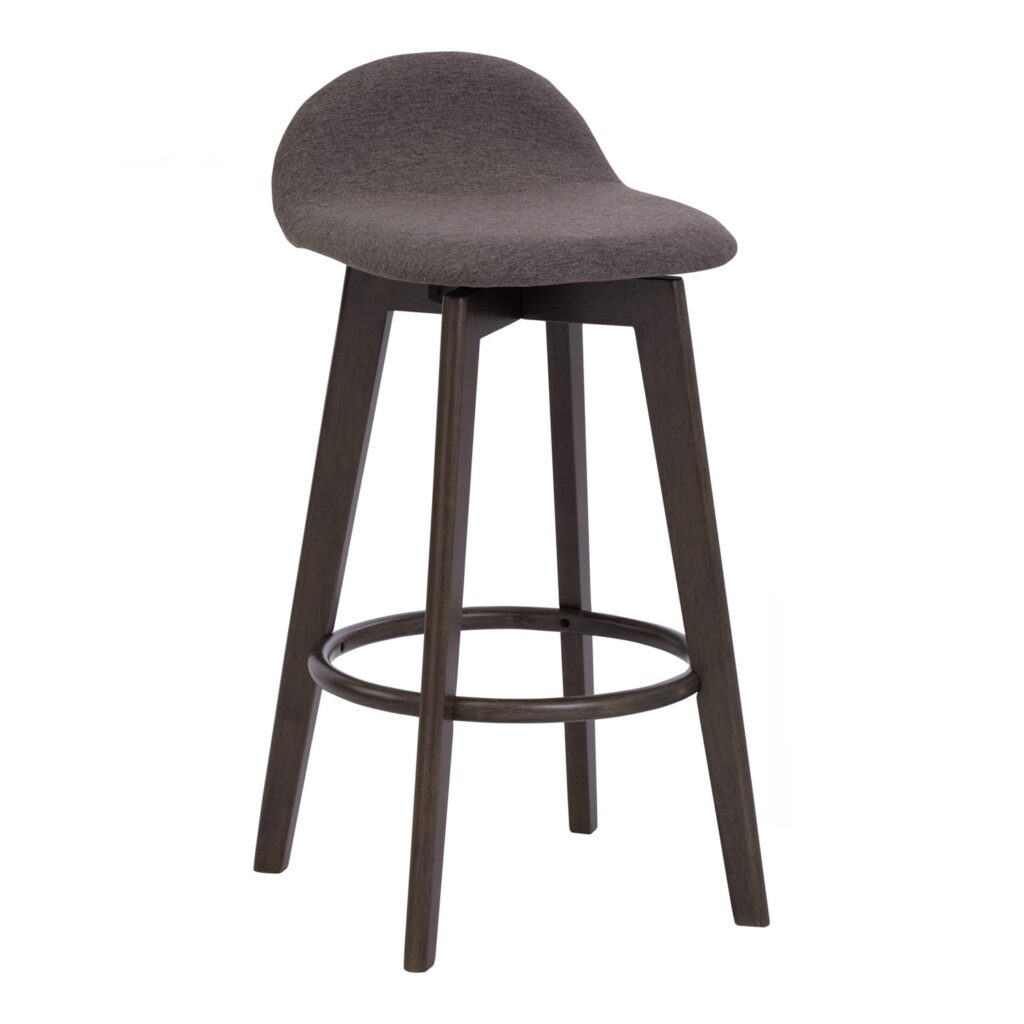
Raised seating needs a different check. A 71 cm bar-chair seat suits a bar-height surface rather than a normal dining table. The Mora Bar Chair measures 41.5 × 41.5 × 83.5 cm and has a 71 cm seat height, with a backrest and footrest for counter-style seating.
3. Measure the footprint and movement space
Measure the furniture footprint, then add room to pull out the chair and walk behind it. A dining chair that fits under the table can still make a narrow apartment feel blocked when occupied.
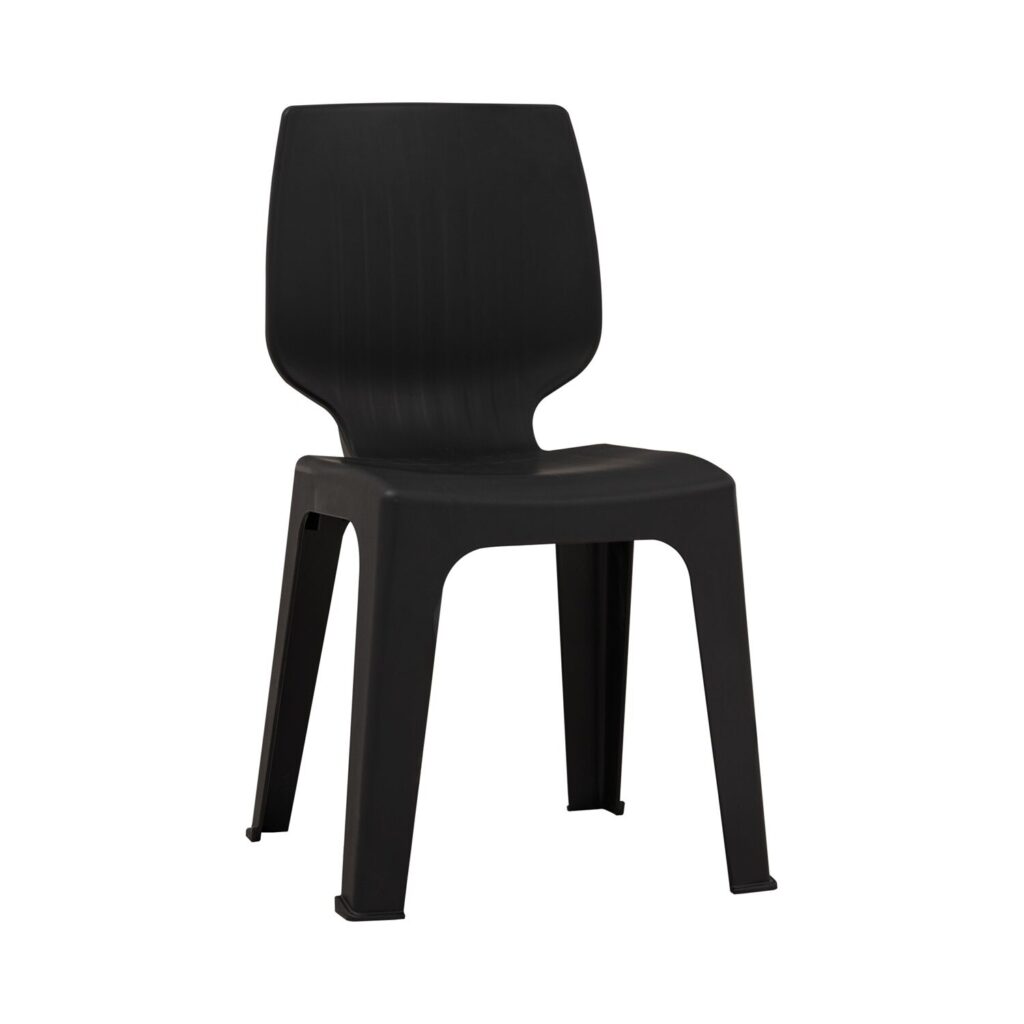
For comparison, the Optimus D Side Chair is W 50 × D 40 × H 80 cm with a 44 cm seat height. Its compact depth suits dining, study or occasional seating, while the 2.4 kg PVC chair is fully assembled and easy to reposition.
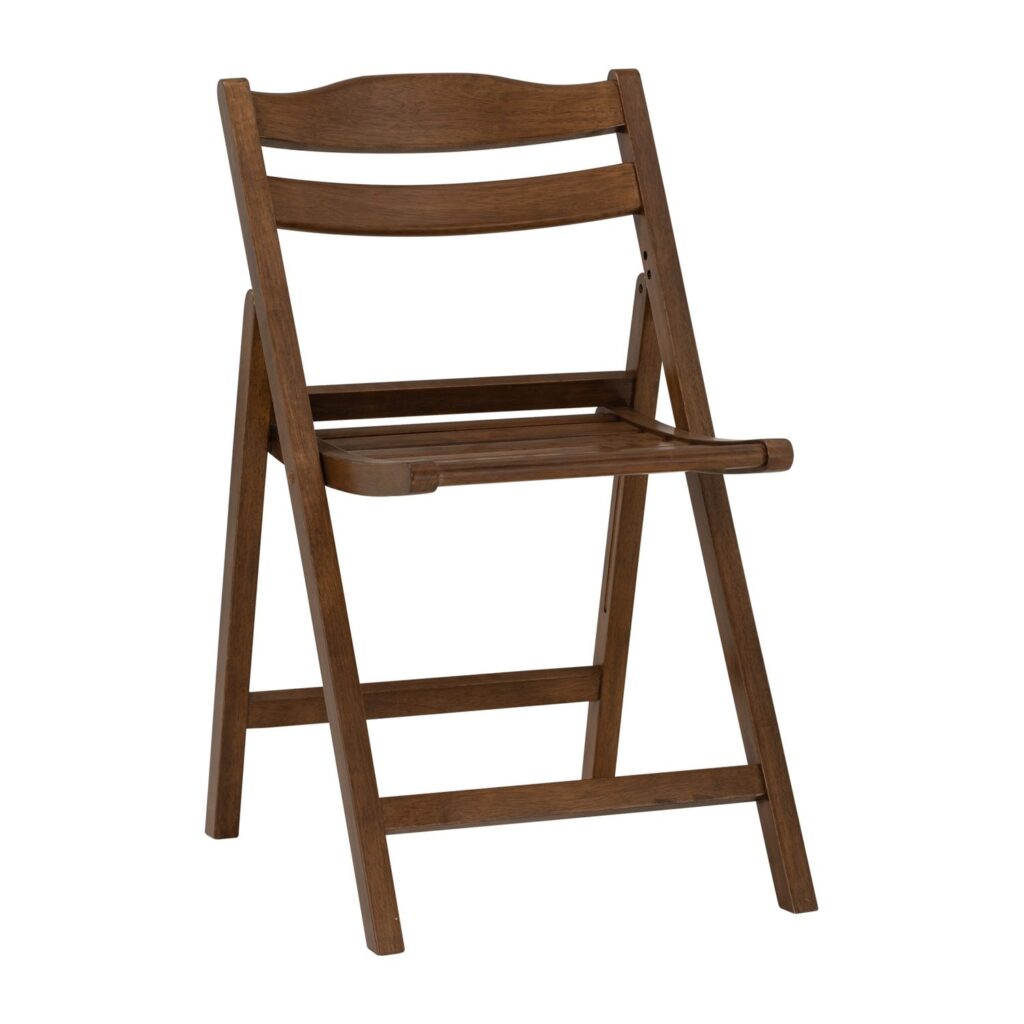
In a small dining area, folding seating can preserve the walkway after meals. The Lirra Folding Chair is W 40 × D 41 × H 81 cm, has a 47 cm seat height and folds away when floor space is needed.
4. Choose the comfort level for the time spent sitting
A curved backrest helps when a chair is used for long meals, conversation or reading. A more upright, lighter chair is practical when you need several seats around a table and want them to move easily.
For a dedicated relaxation corner, the Helia Lounge Chair measures L 71.5 × W 88.5 × H 75 cm. Its deep seat and wrap-around backrest are designed for reading or longer relaxation, while Malaysian Oak and Teddy Fabric give it a warmer, softer character than a dining chair.
For dining with integrated arm support, the Nazo Dining Chair combines a Malaysian Oak frame with Challis Fabric upholstery in a W 50.3 × D 57.3 × H 72.5 cm profile. Its wrap-around back and low-profile arms make it more enveloping than a simple side chair.
5. Select materials around your daily routine
Fabric brings softness and visual warmth, but consider how often the chair will face food, drinks, pets or children. Smooth PVC is easier to wipe after meals, while solid timber contributes visible grain and a firmer, more structured feel.
The Sierra Dining Chair uses a metal frame with Light Sand Noma Fabric and measures W 52 × D 60 × H 81 cm, with a 49 cm seat height. Its curved backrest suits everyday dining, while the metal base gives the chair a lighter visual presence than a fully timber design.
Do not choose upholstery colour in isolation. Compare it with your table, curtains and flooring, and check the product dimensions and material details on the product page before ordering.
6. Use an ottoman as flexible supporting furniture
An ottoman does not have to match your chair exactly. Matching fabric and colour creates a coordinated set, but a related wood tone or complementary neutral can make the room feel less uniform while still connected.
The Aston Ottoman measures 59 × 49 × 40 cm and combines Solid Malaysian Oak with Cocoa/Pearl White Furry Fabric. Its low profile works as a footrest beside lounge furniture, an occasional seat or a soft accent in a social area.
Place an ottoman where it can be reached without blocking the main route. If it will regularly carry an adult, treat it as occasional seating and check its stability and usable surface rather than assuming every ottoman is designed for prolonged sitting.
7. Coordinate a set without buying unnecessary pieces
Buy the number of seats your room and routine genuinely require. A dining set creates a consistent look, while separate chairs let you combine materials, replace one piece later or add occasional seating gradually.
For a coordinated dining arrangement, the Toronto extendable dining table set with four chairs and a bench pairs a Light Tennessee Walnut/Greymist table with Malaysian Oak, Acacia Veneer and Belfast Fabric elements. The table measures 200 × 90 × 76 cm when extended, and the included bench is 150 × 37 × 45 cm; measure your dining zone with the table extended as well as closed.
Chairs and ottomans in brief
- Choose a dining chair around the table’s height when meals and study are the main uses.
- Use a lounge chair when one person needs a deeper, more relaxed reading seat.
- Select a bar chair only after measuring the counter height.
- Add an ottoman for movable leg support, occasional seating or a softer accent.
- Combine rather than match every piece when you want a more layered room.
Browse our dining chairs and bar chairs, or contact Kedai Perabot about dimensions for your space.
Frequently Asked Questions
What is an ottoman in furniture?
An ottoman is a low piece without a backrest or arms, normally used as a footrest, occasional seat or decorative accent. Its compact shape makes it useful beside lounge furniture.
Can you sit on an ottoman?
Yes, you can sit on an ottoman when its construction and surface are suitable for occasional seating. It is not automatically a replacement for a supportive dining, office or lounge chair.
Does an ottoman have to match a chair?
No, an ottoman does not have to match a chair exactly. Coordinating a colour, fabric, wood tone or shape is enough to make separate pieces look intentional.
How much space should I allow for each dining chair?
Allow about 60 cm of table edge per person as a general planning guide. Add more room if the chair has arms or diners need generous elbow space.
What is the most iconic chair in history?
There is no single agreed answer because ‘iconic’ depends on design history and personal taste. The Eames Lounge Chair, Barcelona Chair and Wassily Chair are commonly discussed examples, but they are not the only influential designs.
More articles
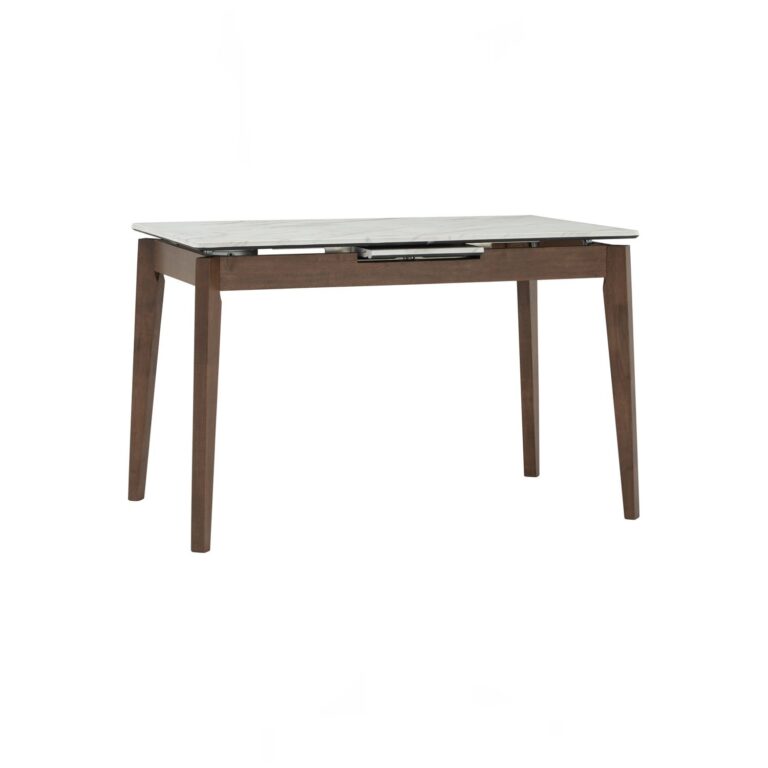 Buying guidesMarble Dining Tables: How to Choose the Right One
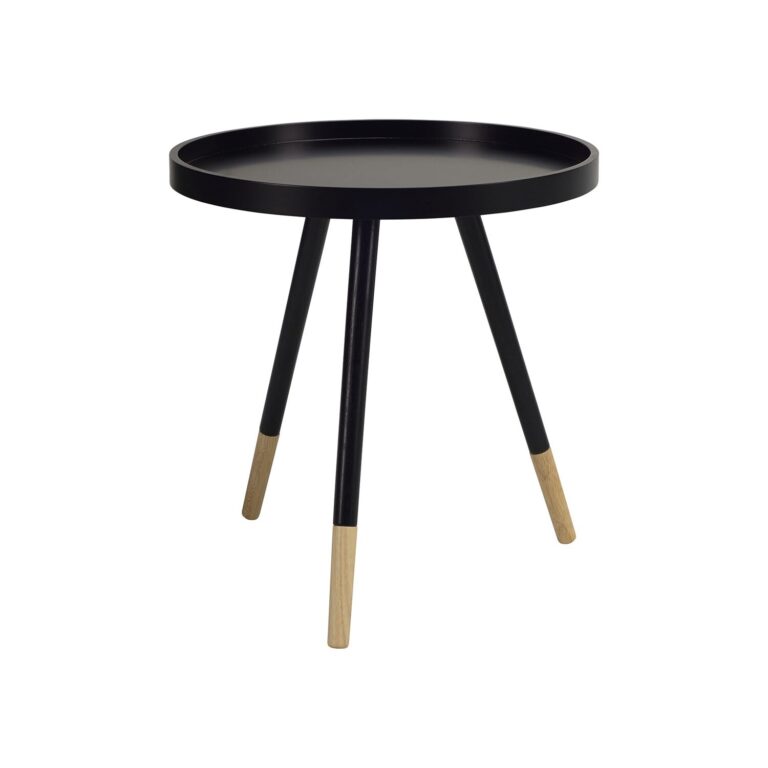 Buying guidesNight Side Table: How to Choose the Right Size and Style
 Buying guidesTrash Cabinet: How to Choose the Right Kitchen Bin Storage
 Buying guidesSofa Bed Couch: How to Choose One for Your Home
 Buying guidesChesterfield Sofa: How to Choose One for Your Home
 Buying guidesBar Chair Height: How to Choose the Right Seat Size
Related posts
Marble dining tables range from compact 120 cm rounds to 200 cm extensions, so choose by room clearance, surface and seating. Continue reading
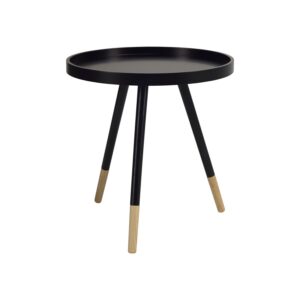
A night side table should sit close to mattress height, fit your essentials and leave a clear walkway around the bed. Continue reading
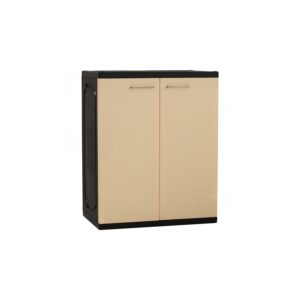
A trash cabinet hides bins, controls odours and keeps a compact kitchen easier to clean. Choose the right size, material and layout. Continue reading
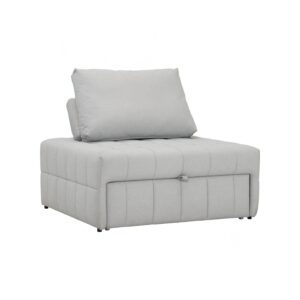
A sofa bed couch saves space by combining everyday seating with an occasional sleeping place. Compare size, fabric and comfort. Continue reading

A chesterfield sofa is defined by deep button tufting, rolled arms and a substantial silhouette. Here is how to choose one. Continue reading