
No products in the cart.
Coffee Tables for Living Room: Choose the Right Fit
For most living rooms, choose a coffee table about half to two-thirds the length of your sofa, with a top around seat height or slightly lower. Getting the proportions right leaves room to move, keeps everyday items within reach and helps you avoid ordering a table that overwhelms the seating area.
1. Measure the walkway around your seating
Start by measuring the open space between your sofa and the opposite seating or TV cabinet. As a general guide, leave about 35–45 cm (14–18 in) between the sofa edge and table; this gives people room to sit and stand while keeping drinks and remotes accessible.
Also check the route through the room. A table that fits on paper can still make a condo living area awkward if it blocks a main walkway, a balcony door or a drawer. Mark the proposed tabletop footprint on the floor with masking tape, then walk around it before deciding.
2. Match the table length to your sofa
A table around half to two-thirds of the sofa’s length usually looks balanced and gives each seat a usable surface. Measure the sofa’s actual width, including its arms, rather than estimating from the number of seats. If the table is longer than the seating, it can look crowded and make movement harder.
Here are practical starting points for comparing the main dimensions. These are general guidelines, not fixed standards; adjust them to your sofa, room layout and the space you need to walk through.
| What to compare | General guide | Imperial equivalent |
|---|---|---|
| Clearance from sofa | 35–45 cm | 14–18 in |
| Table length | About ½–⅔ of sofa length | About ½–⅔ of sofa length |
| Table height | Level with the seat or 2.5–5 cm lower | Level with the seat or 1–2 in lower |
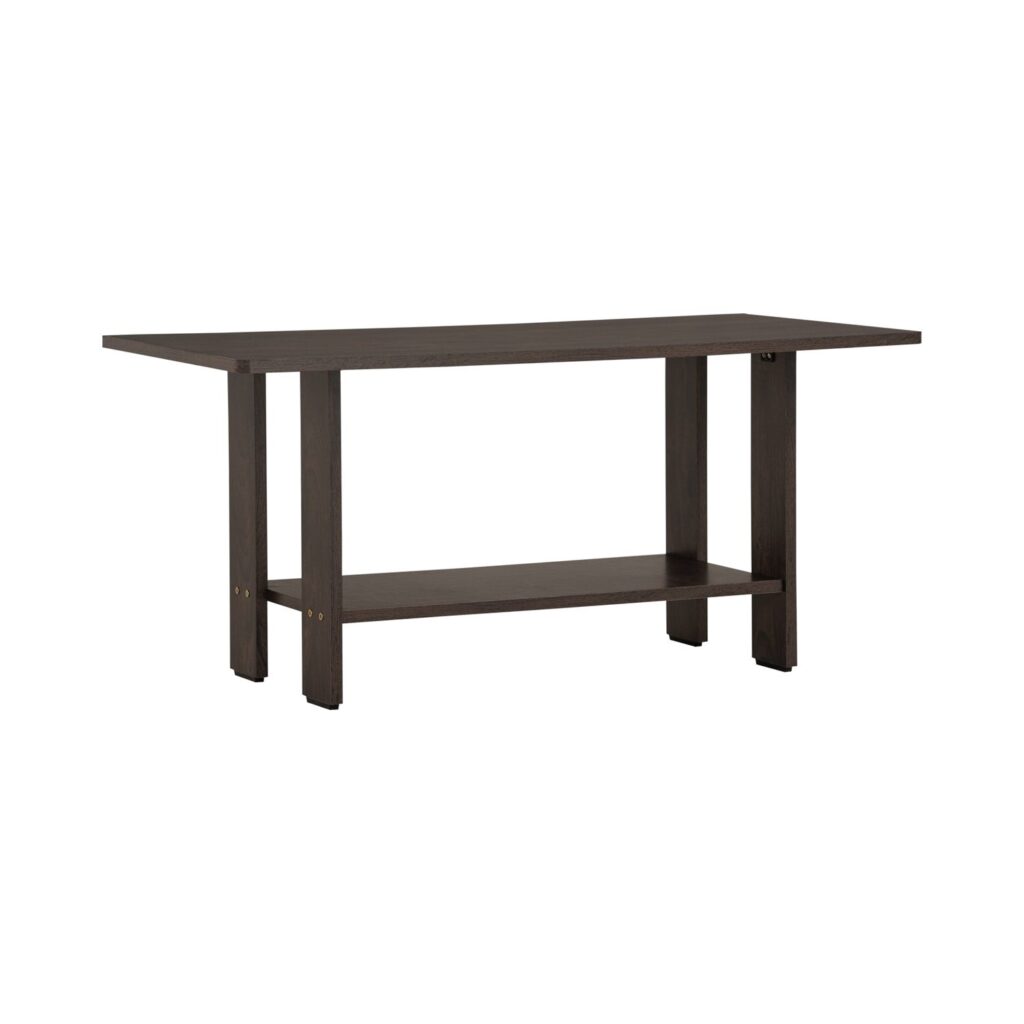
For example, the Holt 3′ Coffee Table measures 90 × 45 × 41.5 cm (about 2 ft 11 in × 1 ft 6 in × 1 ft 4 in) and has a laminated-board finish in Dark Oak or Walnut. Its smaller footprint is one option to compare when a wider table would squeeze the walkway.
3. Set the height for comfortable reach
Measure from the floor to the top of your sofa seat, including the cushion in its usual position. A coffee table close to that height or a little lower is generally easier to reach from a seated position. If it sits much higher, it may feel intrusive; if it is very low, reaching a drink can be inconvenient.
Table heights differ, so check the listed measurement against your own sofa rather than relying on a style name such as “low” or “compact”. The Coffee & side tables range lets you compare table dimensions before you decide.
4. Choose a shape and width that suit how you use the room
A rectangular top works well in front of a standard sofa and gives you space for several drinks, books or a serving tray. A narrower top can preserve a clearer route through a small room, while a broader one offers more usable surface but needs more floor space. For a sectional, check that the table can be reached from the seats you use most.
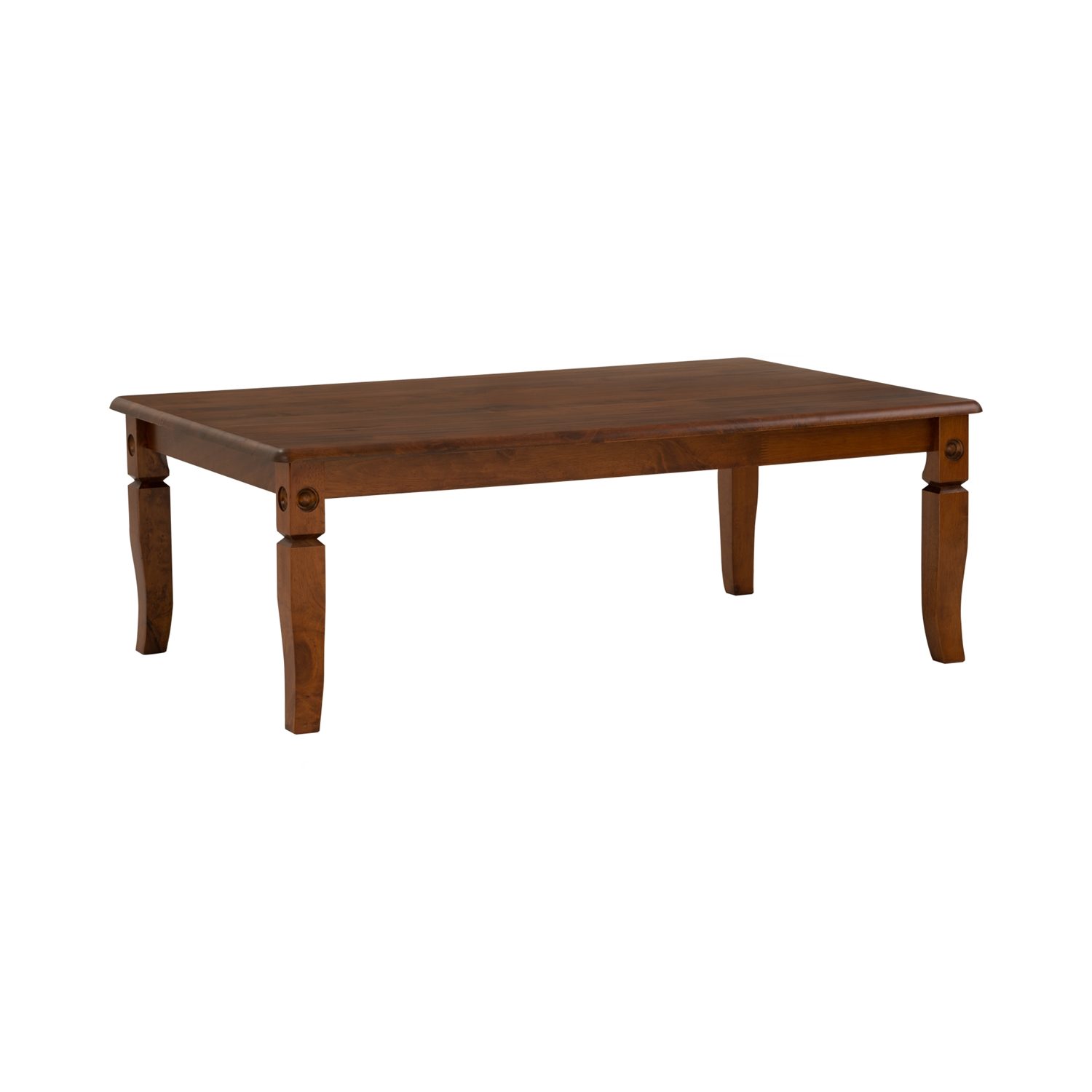
Compare the table’s full width as well as its length: the smaller measurement determines how much room it takes up between the sofa and the opposite side of the seating area. The Coris Coffee Table measures 110 × 50 × 44 cm (about 3 ft 7 in × 1 ft 8 in × 1 ft 5 in) and is made from Malaysian Oak throughout. Its 50 cm width is narrower than a 70 cm top of the same length, a useful distinction when checking floor clearance.
5. Choose materials for the look and everyday routine
Think about what will sit on the table and how often you use it. Timber, veneer, laminated board and sintered stone give a room different finishes and appearances; compare the stated material and care information on each product page before choosing. A patterned surface or contrasting top can also become a focal point, while a simpler finish can sit more quietly alongside existing furniture.
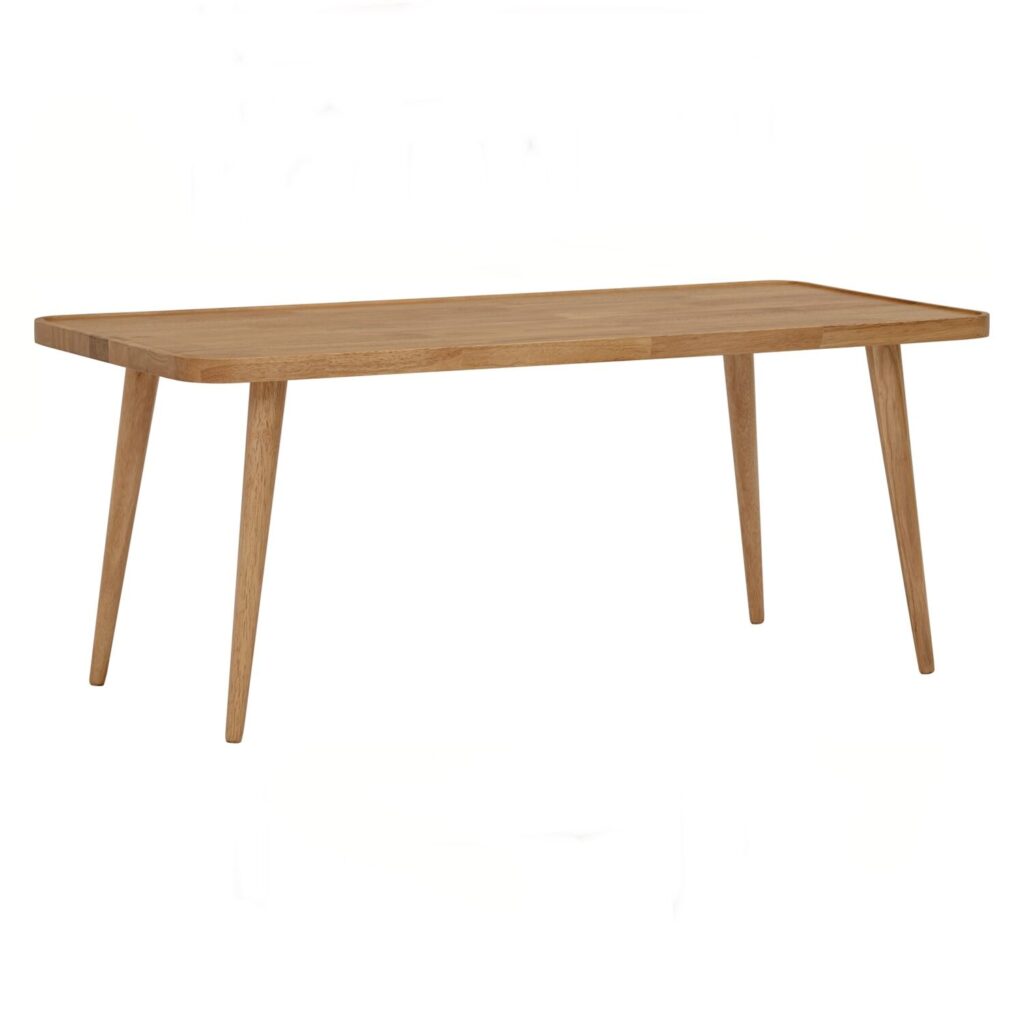
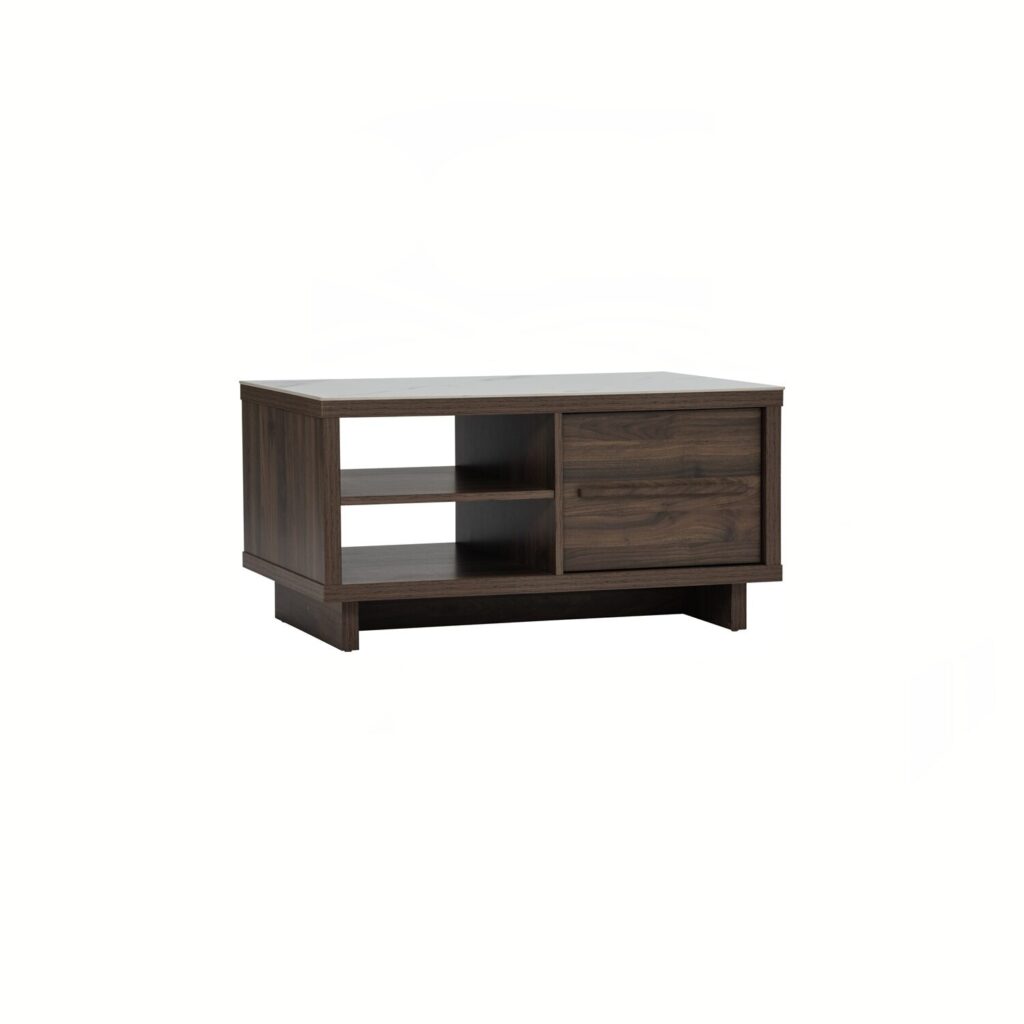
The Kline 4′ Coffee Table (Solid) is Malaysian Oak in Dirty Oak and measures 110 × 70 × 38.5 cm (about 3 ft 7 in × 2 ft 4 in × 1 ft 3 in). For a different surface combination, the Frome Coffee Table pairs a walnut laminated-board body with a white marble sintered-stone top, in a 90 × 59 × 46.5 cm size (about 2 ft 11 in × 1 ft 11 in × 1 ft 6 in). Check that the colour and material feel right with your sofa and other living-room furniture, not just in isolation.
6. Check the measurements and assembly details before ordering
Compare the product’s length, width and height with the space you marked out, then consider how the table will enter the room. Measure narrow doorways, lift interiors and stair turns if these apply to your home. The space available for the table is only part of the fit; it also needs to pass through the route to the living room.
Check the product page for its listed assembly arrangement, materials and colour options. For example, the Kline arrives flat-packed with fittings and instructions for home assembly, while the table’s listed weight is 13.8 kg. If a dimension or material is unclear, we can help you check it before you order. For help coordinating the table with your seating, see our guide to choosing a sofa design for your home.
Coffee table choices in brief
- Choose a table around half to two-thirds of your sofa’s length for balanced proportions.
- Prioritise a narrower top when preserving a walkway matters more than extra surface area.
- Compare table height with your sofa seat so drinks and books are easy to reach.
- Pick the material and finish that fit your daily routine and the furniture you already own.
Browse our coffee and side tables to compare dimensions and finishes, or contact Kedai Perabot if you need help checking a fit.
Frequently Asked Questions
Does a coffee table have to match the side tables?
No, a coffee table does not have to match them exactly; coordinating the finish or shape can make the room feel connected without using an identical set.
Can I put a coffee table on a living-room rug?
Yes, you can place a coffee table on a rug; choose a rug large enough to sit securely under the table and, where possible, the front legs of the seating.
Is a round coffee table suitable for a sectional sofa?
Yes, a round table can work with a sectional, particularly when people need to pass around its corners; check that its diameter still leaves enough reach and walkway space.
Should a coffee table be centred in the room?
No, it does not need to sit at the room’s geometric centre; position it in relation to the seats that use it and keep the main walking route clear.
More articles
 Buying guidesTableware Set: How to Build a Useful Set for Your Home
 Buying guidesSettee Sofa: How to Choose the Right Fit for Your Home
 Buying guidesWood Dining Table: How to Choose the Right One
 Buying guidesArea Rugs: How to Choose the Right Size and Material
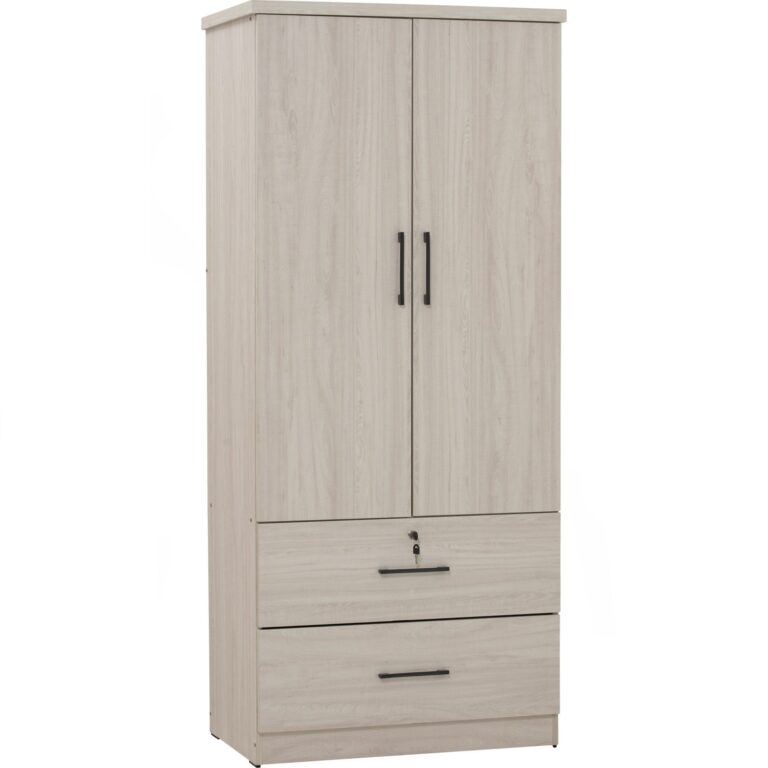 Buying guides2 Door Wardrobe: How to Choose the Right Fit
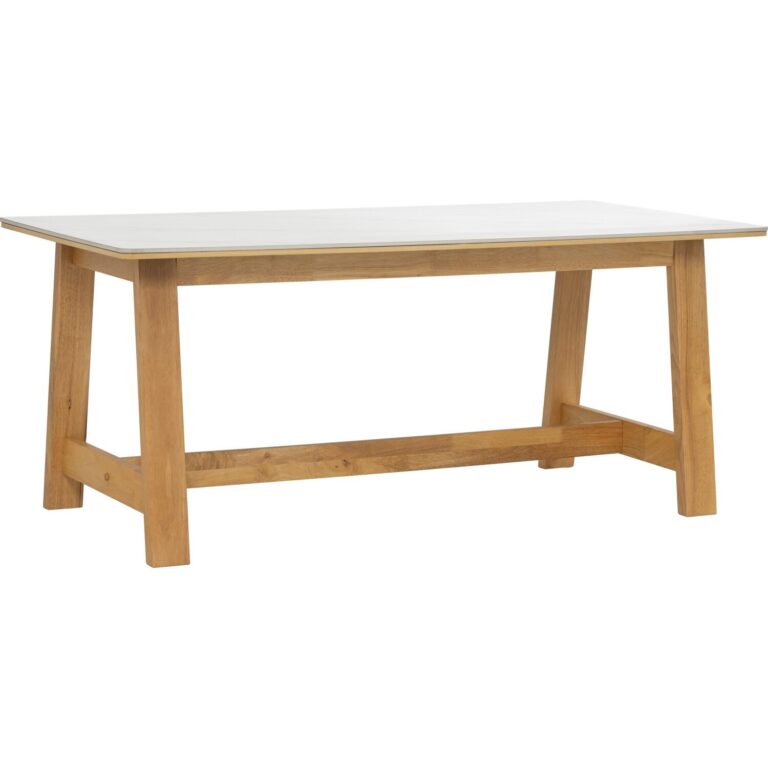 Buying guidesSintered Stone Dining Table: How to Choose One
Related posts

A useful tableware set covers the meals you serve most, with plate sizes and pieces that suit your diners, storage and table. Continue reading
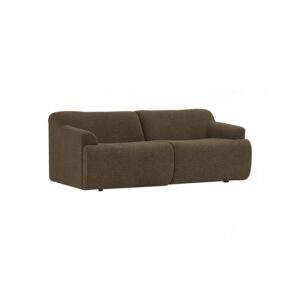
A settee sofa is generally another name for a sofa; compare room fit, seating style and materials before choosing one for your home. Continue reading
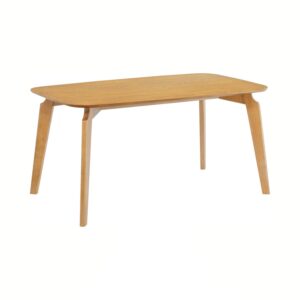
A wood dining table may be solid timber or a veneer-and-board combination; compare construction, size and room clearance before choosing. Continue reading

Area rugs range from compact 60 × 120 cm mats to broad 200 × 300 cm floor coverings; size yours around the furniture zone. Continue reading
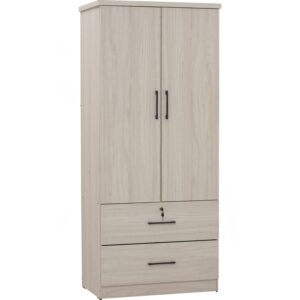
An 80 × 48 × 183 cm 2 door wardrobe is a compact option; compare your room, storage needs and access before choosing a size. Continue reading