No products in the cart.
Murphy Bed Guide: Is a Wall Bed Right for Your Home?
A Murphy bed folds vertically into a wall cabinet, freeing floor space by day and creating a full sleeping area at night. That makes it worth considering for a compact condo, home office or guest room where every square metre affects comfort, storage and daily use.
Before ordering, measure both the closed cabinet and the bed when open. A wall bed is a space-saving system rather than simply a bed frame, so the mattress, opening direction, wall and surrounding furniture all need to work together.
1. Decide whether the room needs a folding bed
Choose a Murphy bed when one room must perform two jobs. It can turn a spare bedroom into a study during the day, or give guests a proper sleeping surface without leaving a permanent bed in a small apartment.
It is less suitable when the bed will be opened and closed only occasionally but the room already has enough space for a fixed frame. In that situation, a conventional bed with storage can be simpler to use and easier to compare online.
2. Check the open and closed footprint
Start with the mattress size, then add the cabinet depth and the clearance needed in front of it. Leave a practical walking route around the open bed; a room that technically fits may still feel difficult to use if the door, wardrobe or desk blocks the sleeping position.
| Common mattress format | Metric size | Approximate imperial size | Typical use |
|---|---|---|---|
| Single | 91 × 190 cm | 3 × 6.25 ft | One sleeper, study or guest room |
| Super single | 107 × 190 cm | 3.5 × 6.25 ft | More personal space for one sleeper |
| Queen | 152 × 190 cm | 5 × 6.25 ft | Two sleepers |
These are general Malaysian mattress size guidelines, not the external dimensions of a Murphy bed cabinet. Use the manufacturer’s full measurements for the cabinet, open bed and installation clearance before deciding.
3. Choose the sleeping size before the cabinet style
A single Murphy bed keeps the cabinet narrower and suits a home office or occasional guest room. Super single gives one adult more room without the full width of a queen, while queen is the practical choice when two adults will use it regularly.
Vertical wall beds normally fold up from the long side of the mattress. Horizontal versions open across the shorter dimension and can work better beneath a low ceiling or along a wide wall, but they need more wall width. Match the orientation to the room, not just the available floor area.
4. Confirm the mattress and mechanism requirements
You cannot assume that every regular mattress will work in every Murphy bed. The mattress must match the system’s specified length, width, thickness and weight range so the lifting mechanism can balance it safely and hold it in place when folded.
Some designs use a dedicated mattress platform and retaining straps; others have different limits for foam, spring or hybrid mattresses. Ask for the exact mattress specification before reusing one from home, especially if it is thick or heavy.
5. Inspect the wall and installation conditions
A Murphy bed needs secure fixing to a suitable wall or structural support. Do not plan to anchor a loaded cabinet into plasterboard alone without confirming the correct support method, because the cabinet and moving bed place different loads on the fixing points.
Measure skirting boards, power sockets, switches, air-conditioner positions and ceiling obstructions. The cabinet must sit level, and the mechanism needs enough space to open smoothly without striking lights, shelves or nearby furniture.
6. Compare the cost with alternatives
Murphy beds are worth the cost when reclaiming daytime floor space has a clear purpose, such as combining a guest room with a home office. Their value comes from using one room for two functions, not simply from replacing a normal bed.
If the room is used mainly for sleeping, compare a fixed bed with integrated storage. For occasional guests, a sofa bed or a compact spare bed may involve fewer installation requirements; for frequent guests, the dedicated mattress area of a Murphy bed is usually more comfortable.
7. Consider simpler space-saving bed options
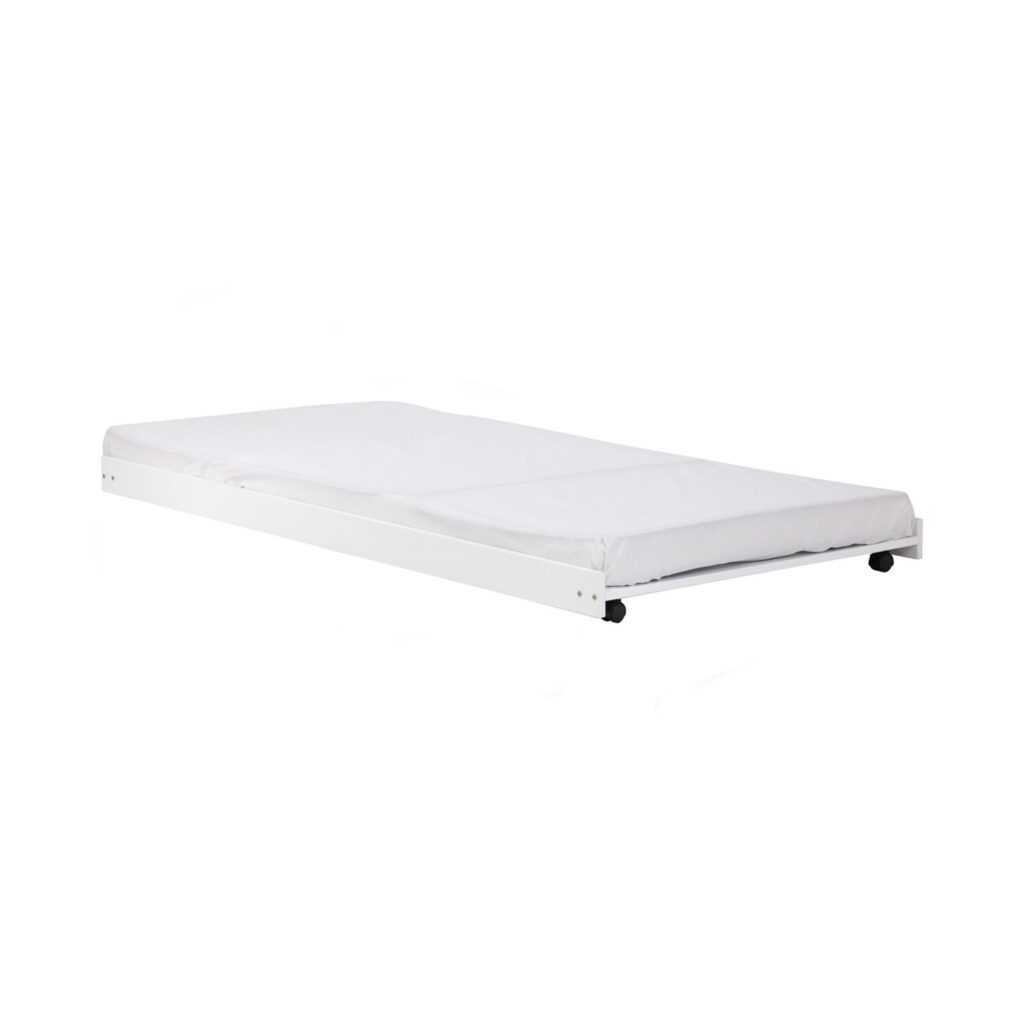
A pull-out arrangement can provide an extra sleeping surface beneath a compatible main bed, while a storage bed keeps bedding and personal items organised without moving a wall-mounted mechanism. These alternatives suit renters who cannot alter walls or buyers who want straightforward assembly.
For example, our Pull Out Bed With 1900mm Side Rail measures 187 × 92 × 11 cm and is made from LVL veneer. It is designed to store beneath a compatible bed, so it is a different solution from a Murphy bed but useful when the priority is an occasional extra sleeping surface.
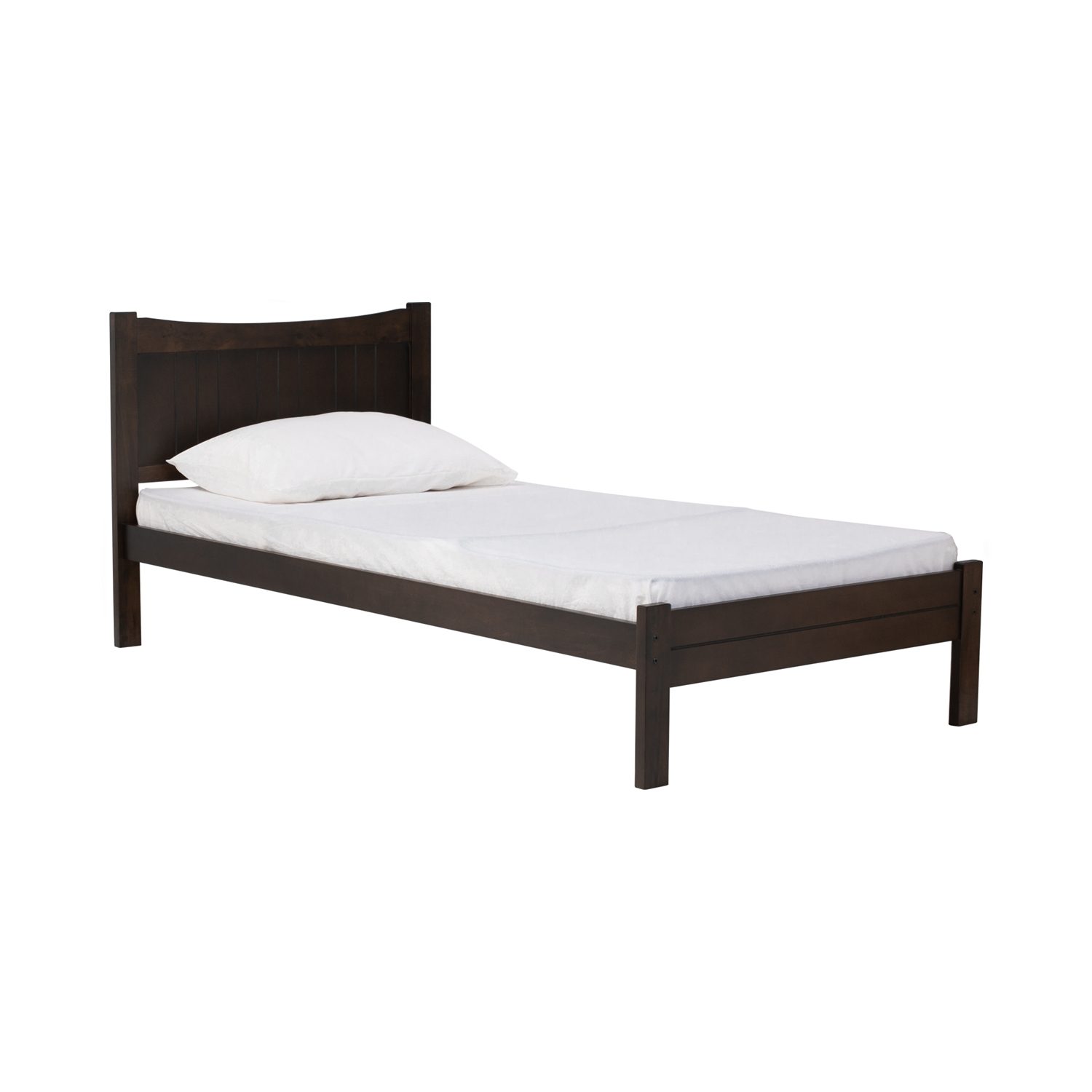
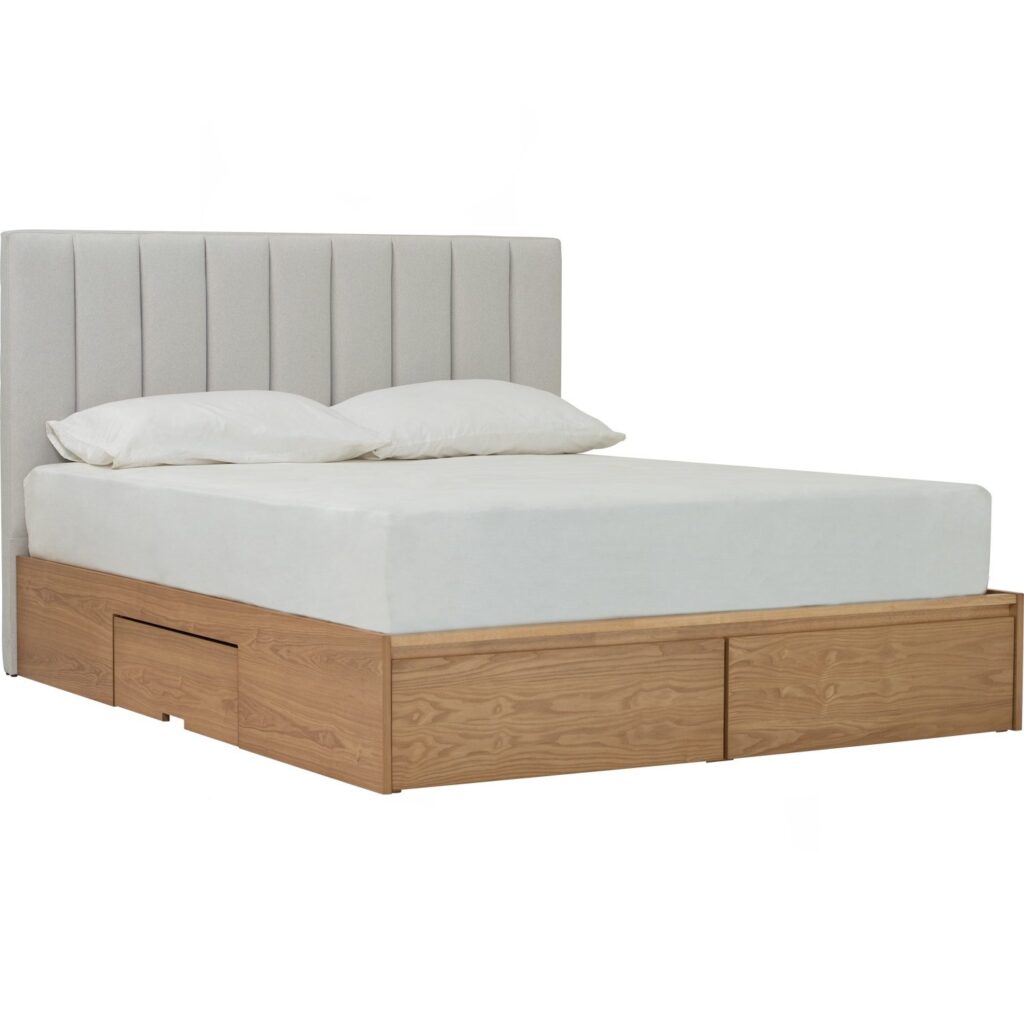
For a permanent single sleeping space, the Wilfred Single Bed With 1900mm Side Rail measures 198.1 × 101.6 × 86.4 cm and combines MDF, LVL veneer and Malaysian Oak in Dark Chestnut. A larger room may suit the Mola Queen Bed With Storage 1900mm Bed Panel, which measures 204 × 162 × 112 cm and has integrated storage with a Mohair Fabric headboard.
Murphy bed choices in brief
- Choose a vertical single model for a compact office that occasionally becomes a guest room.
- Choose a horizontal design when wall width is available but ceiling or floor depth is limited.
- Choose a queen system when two adults will sleep on it regularly and the room has generous clearance.
- Choose a fixed, pull-out or storage bed when wall fixing is not possible or daily folding is inconvenient.
Browse our bed range or enquire with Kedai Perabot if you need help comparing dimensions for your room.
Frequently Asked Questions
Can I put a regular mattress in a Murphy bed?
No, not automatically. The mattress must match the Murphy bed’s specified dimensions, thickness and weight limit so the lifting mechanism can balance and secure it.
Are Murphy beds worth the cost?
Yes, when one room needs to serve two purposes and the recovered daytime floor space matters. A fixed storage bed is usually simpler when the room is used mainly for sleeping.
Does Ikea make a Murphy bed?
Ikea is not the deciding factor for fit. Compare the specific wall-bed system’s cabinet dimensions, mattress requirements, fixing method and installation instructions before buying.
Why do they call them Murphy beds?
The name is associated with William Lawrence Murphy and an early folding bed design. “Murphy bed” is now commonly used for beds that fold into a wall cabinet.
Can a Murphy bed be installed on any wall?
No. The wall or structural support must accept the cabinet and moving-bed loads, and the fixing method must suit the construction. Confirm the installation requirements before ordering.
More articles
 Buying guidesTrash Cabinet: How to Choose the Right Kitchen Bin Storage
 Buying guidesSofa Bed Couch: How to Choose One for Your Home
 Buying guidesChesterfield Sofa: How to Choose One for Your Home
 Buying guidesBar Chair Height: How to Choose the Right Seat Size
 Buying guidesBartop Table Size Guide: Height, Width and Seating
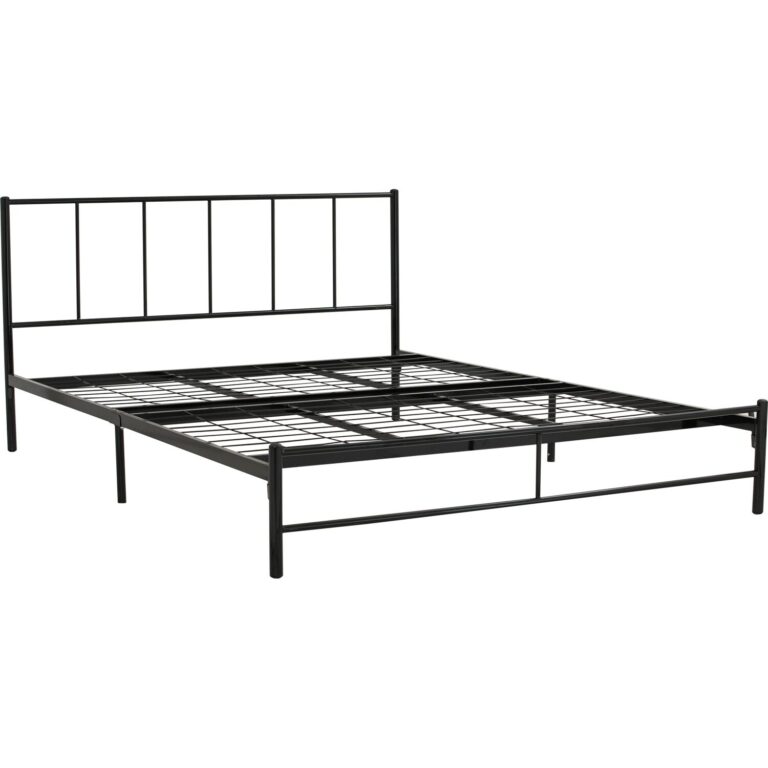 Buying guidesQueen Bed vs King Bed: Which Size Fits Your Room?
Related posts
A trash cabinet hides bins, controls odours and keeps a compact kitchen easier to clean. Choose the right size, material and layout. Continue reading
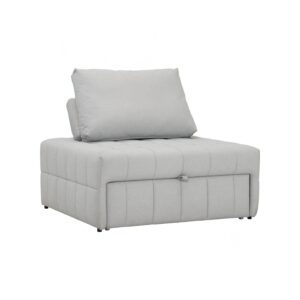
A sofa bed couch saves space by combining everyday seating with an occasional sleeping place. Compare size, fabric and comfort. Continue reading

A chesterfield sofa is defined by deep button tufting, rolled arms and a substantial silhouette. Here is how to choose one. Continue reading
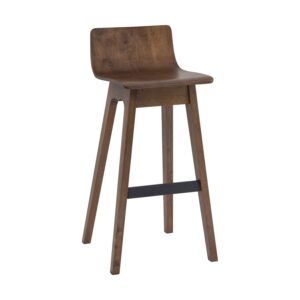
Bar chair height is usually 71–76 cm for a 101–107 cm bar counter. Measure the counter first for comfortable seating. Continue reading
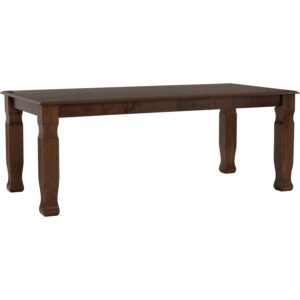
A bartop table is typically 100–110 cm high. Compare counter and bar heights before choosing stools for your home. Continue reading